
Spain’s 2026 Eclipse: A Golden Corona and Historic Totality
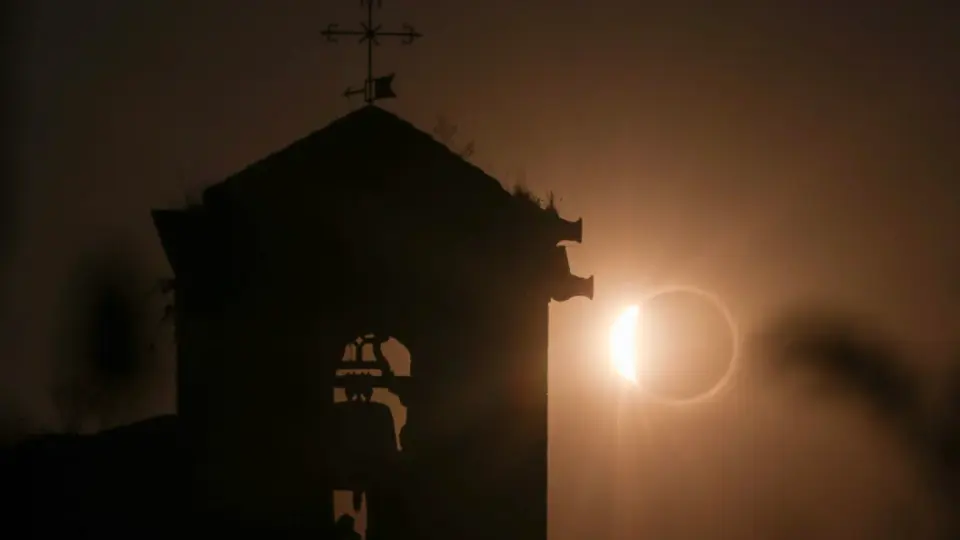
On August 12, 2026, a total solar eclipse swept across Europe, marking the first such event visible from mainland Spain since 1905. The Moon’s shadow passed through Greenland, Iceland, and parts of Spain and Portugal, while a partial eclipse was visible across the northern United States. Observers in Spain reported a rare golden corona, attributed to low sun angles and wildfire smoke, as crowds gathered in rural areas and cities to witness the phenomenon.
Key points
- The path of totality crossed Greenland, Iceland, and Spain, with the event ending as the sun set in the Mediterranean.
- It was the first total solar eclipse visible from mainland Spain since 1905, according to the European Space Agency.
- Observers in Spain noted an unusually golden solar corona, a phenomenon explained by low sun angles and smoke from forest fires.
- A partial eclipse was visible across the northern United States, from Alaska to North Carolina.
- The next total solar eclipse in the contiguous United States is scheduled for August 23, 2044.
Background
This event follows a series of total solar eclipses in the United States in 2017 and 2024, which prompted some observers to travel to Europe to avoid the long wait until 2044. Spain’s ongoing drought and wildfire conditions, while hazardous, created clear skies ideal for viewing. The eclipse also coincided with a summer of extreme heat in Europe, making the brief darkness a notable relief for many.
How outlets are covering it
Ars Technica emphasized the personal and historical significance of the event, noting the rarity of the alignment and the presence of ancient sites like the Romanesque church in Duratón. The New York Times highlighted the widespread public engagement, with millions of spectators across Europe using protective glasses and apps to track totality. NASA’s Astronomy Picture of the Day focused on the scientific anomaly of the golden corona, attributing it to atmospheric scattering and smoke. NPR provided a visual summary of the event across multiple countries, including Iceland and Germany, while noting the partial visibility in the US. Outlets differed in focus: Ars Technica and The New York Times centered on the human experience, while NASA emphasized the scientific observation of the corona’s color.
Why it matters
The 2026 eclipse serves as a rare opportunity for both public engagement and scientific observation. The golden corona, a deviation from the typical white appearance, offers insights into atmospheric conditions and light scattering. For the public, the event marked a historic moment in Spain, bridging ancient history with modern astronomy. It also underscores the importance of preparedness for future celestial events, as the next total eclipse in the US is not until 2044.
What to watch
The next partial solar eclipse visible in the US is scheduled for August 2, 2027. The next total solar eclipse in the contiguous United States will occur on August 23, 2044. In the interim, astronomers will continue to analyze data from the 2026 event, particularly the unusual golden corona, to refine models of atmospheric light scattering.
- The Moon’s shadow raced across the heart of Spain, and I was there to see it Ars Technica
- Photos: See the best photos from this year's total solar eclipse : The Picture Show NPR
- Scenes From the 2026 European Solar Eclipse The New York Times
- APOD: 2026 August 17 - A Golden Corona Eclipse NASA Science (.gov)
- Total solar eclipse 2026 thrills millions with a stunning cosmic spectacle (photos, video) Space
Want the full story? Read the original reporting
Read on Ars Technica