
Leopardus tilcayo: The First New Wild Cat Species in a Century
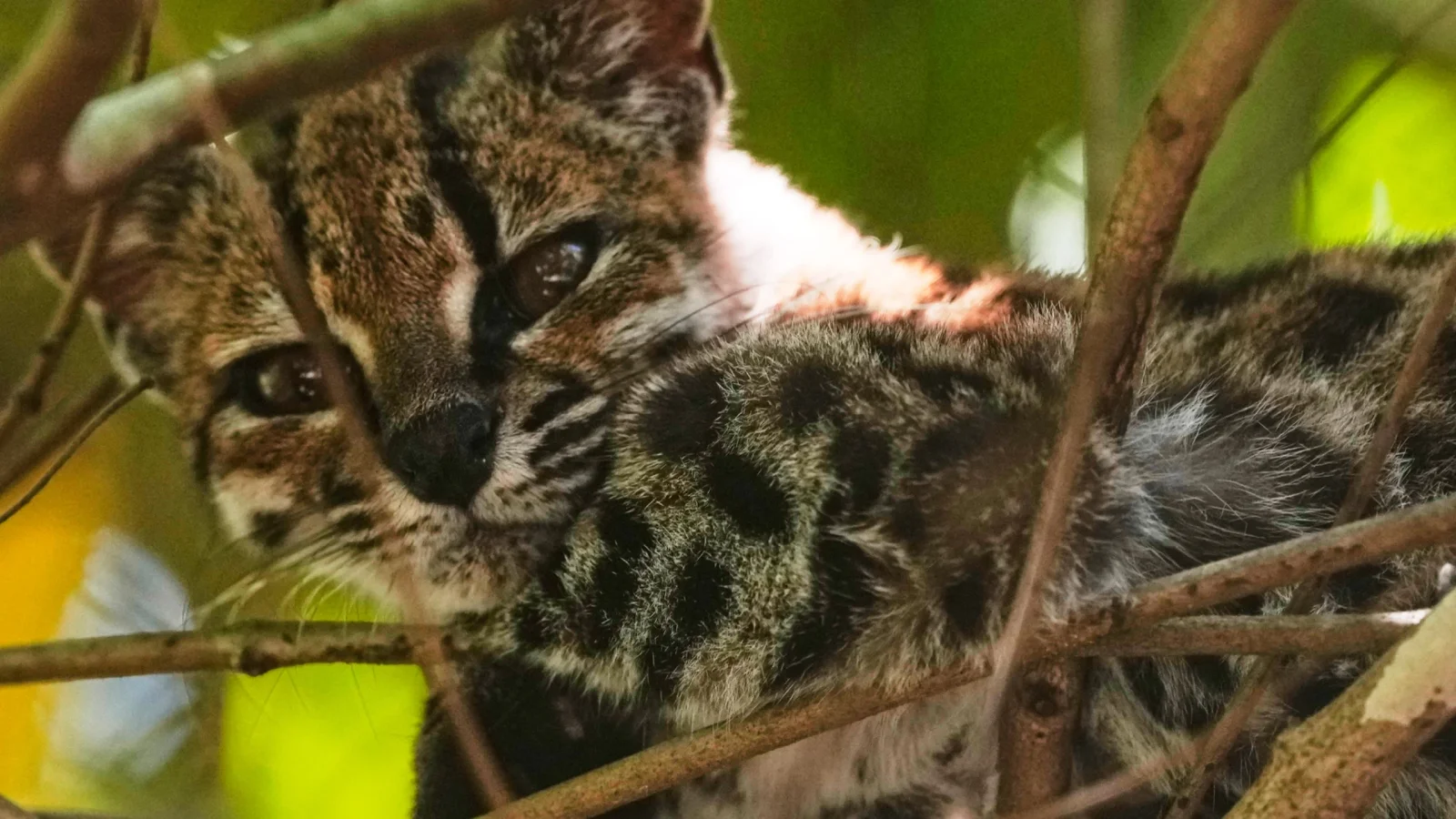
Scientists have officially described Leopardus tilcayo, a tiny wild cat from Bolivia, as a distinct species. This marks the first new living wild cat identified in over 100 years. The discovery, based on genomic analysis, splits the 'tiger cat' group into five separate species, highlighting urgent conservation needs.
Key points
- Leopardus tilcayo is the first new wild cat species described since 1923.
- The species was identified through genomic analysis of 38 individuals.
- The cat is significantly smaller than a house cat, weighing about 1.4 kg.
- The discovery splits the tiger cat group into five distinct species.
- Conservation strategies must now address five separate populations instead of one.
Background
Recent archive coverage from mid-September 2026 confirmed the initial announcement of this discovery. Earlier reports noted that the species was identified in Bolivia's Yungas cloud forest and that its divergence from other tiger cats occurred approximately 1.4 million years ago. Those reports also highlighted the lack of knowledge regarding the wild population size and behavior, which remains a critical gap in current conservation planning.
How outlets are covering it
ScienceAlert emphasizes the rarity of the discovery, noting that no new wild cat species has been described since the Uruguayan pampas cat in 1923. It highlights the role of the Senda Verde Wildlife Sanctuary and the specific individual, a 10-year-old male named Tigrino, in facilitating the identification. Smithsonian Magazine focuses on the broader taxonomic implications, explaining that the 'tiger cat' group is now recognized as five distinct species. It also notes that while the tilcayo is small, its isolation may make it more vulnerable to threats like deforestation. Both sources agree that the cat's name derives from local indigenous knowledge, but ScienceAlert notes the name's origin is unclear, while Smithsonian emphasizes the effort to preserve that traditional knowledge.
Why it matters
This discovery fundamentally changes conservation strategies for tiger cats. Previously treated as a single, broadly distributed species, the group is now understood to consist of five distinct lineages. This fragmentation means that populations previously considered stable may actually be small and isolated, increasing their vulnerability to habitat loss. The finding underscores the value of genomic analysis in identifying cryptic species and highlights the urgent need to protect cloud forest habitats in Bolivia and Peru.
What to watch
Researchers are installing camera traps in the wild to estimate population sizes and understand the behavior of Leopardus tilcayo. The IUCN is expected to reassess the conservation status of these five distinct species, potentially leading to new protection measures. Scientists also plan to study the ecological differences between the species to better understand how anthropogenic activities impact their survival.
- First New Wild Cat Species Identified in Over 100 Years Is An Adorably Tiny 'Tiger' ScienceAlert
- New Species of Cat Discovered for First Time in a Century The New York Times
- Meet the Adorable and Tiny Tilcayo, the First Brand-New Cat Species Identified in More Than a Century Smithsonian Magazine
- New wild cat species discovered after hiding in plain sight for more than a century FOX Weather
- Tiny wild cat newly identified as a species draws curious visitors in Bolivia AP News
Want the full story? Read the original reporting
Read on ScienceAlert