
Maya obsession with red cinnabar paint poisoned Yucatán waterways with mercury, sediment study finds
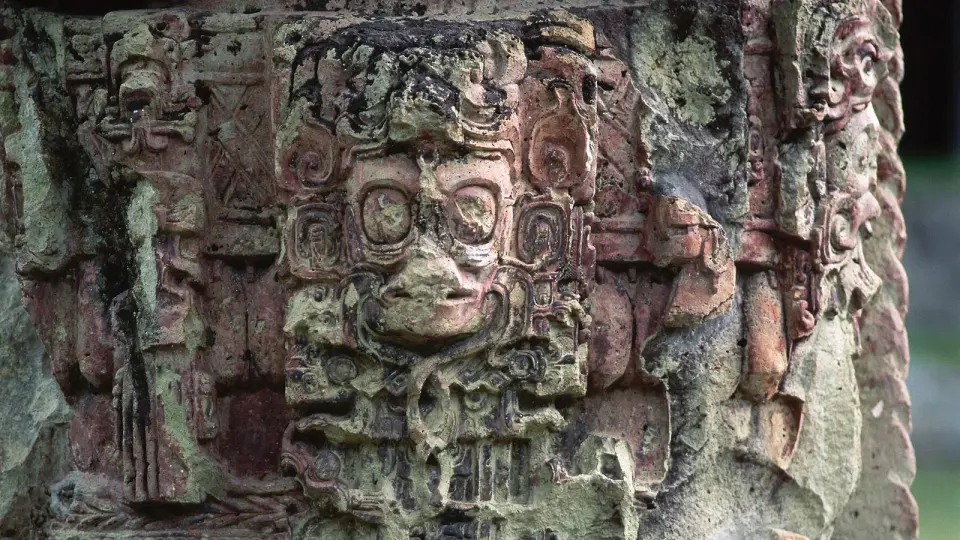
A new study published in Science Advances reveals that the ancient Maya’s extensive use of cinnabar, a mercury-rich red pigment, caused severe environmental damage in the Yucatán Peninsula. Researchers analyzed sediment cores from Cobá Lake and Cenote Xcach, finding mercury levels up to 2.3 parts per million, far exceeding modern safety limits. This pollution, driven by runoff from painting rituals and structures, likely killed freshwater shellfish and algae, contributing to ecosystem collapse. While mercury levels dropped at some sites by A.D. 520, others remained contaminated until the Maya collapse, suggesting a long-term environmental impact that may have exacerbated food supply disruptions.
Key points
- Study published Nov. 4 in Science Advances by Matthew Waters and colleagues at Auburn University.
- Sediment cores from Cobá Lake and Cenote Xcach show extreme mercury levels dating to A.D. 40–820.
- Cinnabar, imported from Honduras, was used for red paint on sculptures, walls, and bodies.
- Mercury levels reached 2.3 ppm, causing the disappearance of freshwater shellfish and algae blooms.
- Pollution persisted at Cenote Xcach until the Maya collapse, potentially affecting food security.
Background
Previous research had identified high mercury levels in Maya highlands and lowlands, but this study is the first to examine the Yucatán Peninsula. The findings align with broader debates about the Maya collapse, where drought and food supply disruption are leading suspects. The archive notes recent archaeological discoveries using non-invasive methods, such as satellite radar in Egypt, highlighting the growing use of sediment analysis to understand past environmental impacts without excavation.
Why it matters
This research demonstrates how cultural practices can have lasting environmental consequences, linking ancient aesthetic preferences to modern ecological concerns. It provides concrete evidence of human-induced pollution in pre-Columbian times, challenging the notion that environmental degradation is a modern phenomenon. Understanding these historical impacts helps contextualize current mercury pollution issues and the long-term resilience of ecosystems.
What to watch
Researchers may investigate other Maya sites for similar mercury signatures to map the extent of cinnabar use. Further studies could analyze the specific pathways of mercury transport and its impact on human health in the Maya population, potentially through bioarchaeological evidence.
Want the full story? Read the original reporting
Read on Live Science