Tag

Maya Civilization

All articles tagged with #maya civilization

Maya Red Pigment Use Linked to Centuries of Mercury Pollution in Yucatán Lakes
science14 days ago

Maya Red Pigment Use Linked to Centuries of Mercury Pollution in Yucatán Lakes

A new study in Science Advances reveals that the ancient Maya’s extensive use of cinnabar, a mercury-rich red pigment, caused severe ecological damage in Yucatán lakes. Sediment cores from Lago Cobá and Cenote Xcach show mercury levels up to nine times the threshold for severe harm to aquatic life. This pollution, likely from imported cinnabar and liquid mercury, wiped out shellfish and algae, potentially stressing communities during the Classic Period collapse.
Maya obsession with red cinnabar paint poisoned Yucatán waterways with mercury, sediment study finds
science16 days ago

Maya obsession with red cinnabar paint poisoned Yucatán waterways with mercury, sediment study finds

A new study published in Science Advances reveals that the ancient Maya’s extensive use of cinnabar, a mercury-rich red pigment, caused severe environmental damage in the Yucatán Peninsula. Researchers analyzed sediment cores from Cobá Lake and Cenote Xcach, finding mercury levels up to 2.3 parts per million, far exceeding modern safety limits. This pollution, driven by runoff from painting rituals and structures, likely killed freshwater shellfish and algae, contributing to ecosystem collapse. While mercury levels dropped at some sites by A.D. 520, others remained contaminated until the Maya collapse, suggesting a long-term environmental impact that may have exacerbated food supply disruptions.

Maya Elites Scattered Ancestral Teeth Across Distant Tombs to Anchor Lineage
archaeology26 days ago

Maya Elites Scattered Ancestral Teeth Across Distant Tombs to Anchor Lineage

A new genetic study reveals that Maya elites deliberately scattered the teeth and bones of ancestors across geographically distant sites to maintain spiritual and political legitimacy. Researchers analyzed 430 skeletal samples, finding that a single elite woman was buried with 226 teeth belonging to 39 unrelated ancestors from over 16 miles away. This practice, reserved for the powerful, suggests a strategy to anchor lineage in both elite residences and sacred caves, which were viewed as portals to the underworld.

New research complicates the drought theory behind the Maya collapse
world1 month ago

New research complicates the drought theory behind the Maya collapse

Recent studies challenge the long-held theory that drought alone caused the collapse of the Maya civilization. While climate stress was a factor, researchers now emphasize political instability, migration, and complex social dynamics as key drivers of the decline. This nuanced view offers parallels for understanding modern societal responses to environmental change.

Tulane Student Uncovers Hidden Mayan Metropolis via Deep Web Search
science2 months ago

Tulane Student Uncovers Hidden Mayan Metropolis via Deep Web Search

A PhD student at Tulane University accidentally discovered a massive, previously unknown Mayan city by scrolling to page 16 of a Google search. The site, named Valeriana, was revealed through LiDAR data originally collected for environmental monitoring in Mexico. The city, which housed up to 50,000 people between 750 and 850 AD, challenges assumptions about tropical urbanization and remains unvisited by researchers in person.

Maya Math Genius Sak Tahn Waax Named for Hidden Venus Calculations at Xultun
science4 months ago

Maya Math Genius Sak Tahn Waax Named for Hidden Venus Calculations at Xultun

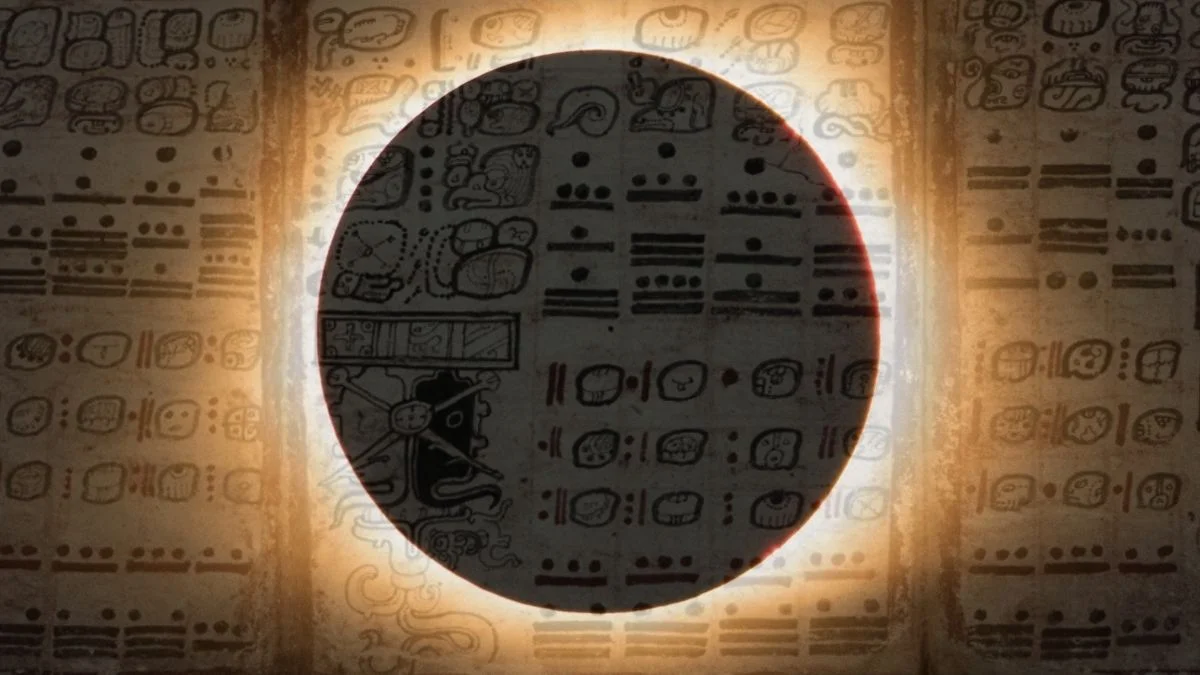
Archaeologists at the Xultun site in Guatemala attribute a unique Maya mathematical formula—revealed among dozens of microtexts—to Sak Tahn Waax, a Maya mathematician-astronomer whose name means “White-chested Fox.” The formula maps Venus and other celestial cycles by linking the 260-day ritual calendar with the solar year and planetary cycles, shedding new light on the sophistication of Classic Maya mathematics and astronomy; the finding, published in Antiquity (2026), marks the first time a specific computational work from the Maya is attributed to an identifiable individual.

Ancient Maya Temple Reveals 3,000-Year-Old Cosmic Map
archaeology1 year ago

Ancient Maya Temple Reveals 3,000-Year-Old Cosmic Map

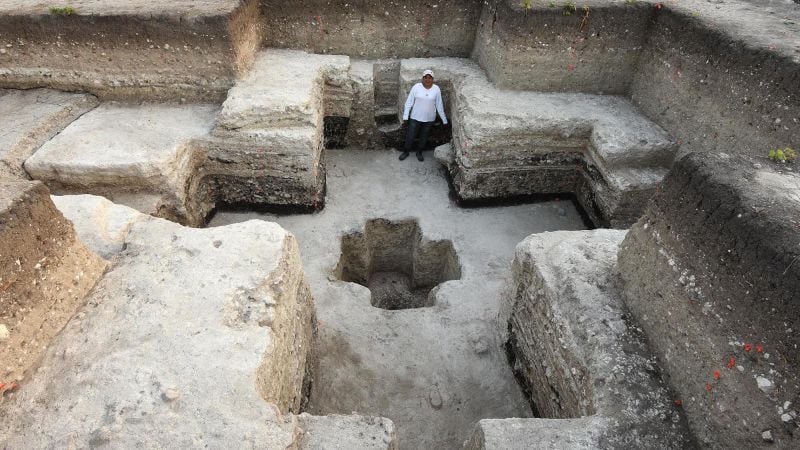
Aguada Fénix, the oldest and largest Maya site built around 3050 years ago in Mexico, was discovered using LiDAR technology. Its design reflects a cosmological model, with ritual significance tied to directions and calendar dates, and was likely constructed by community effort without hierarchical leadership, challenging previous assumptions about ancient monumental construction.

Ancient Maya Collapse Linked to Prolonged Drought, New Cave Evidence Shows
science1 year ago

Ancient Maya Collapse Linked to Prolonged Drought, New Cave Evidence Shows

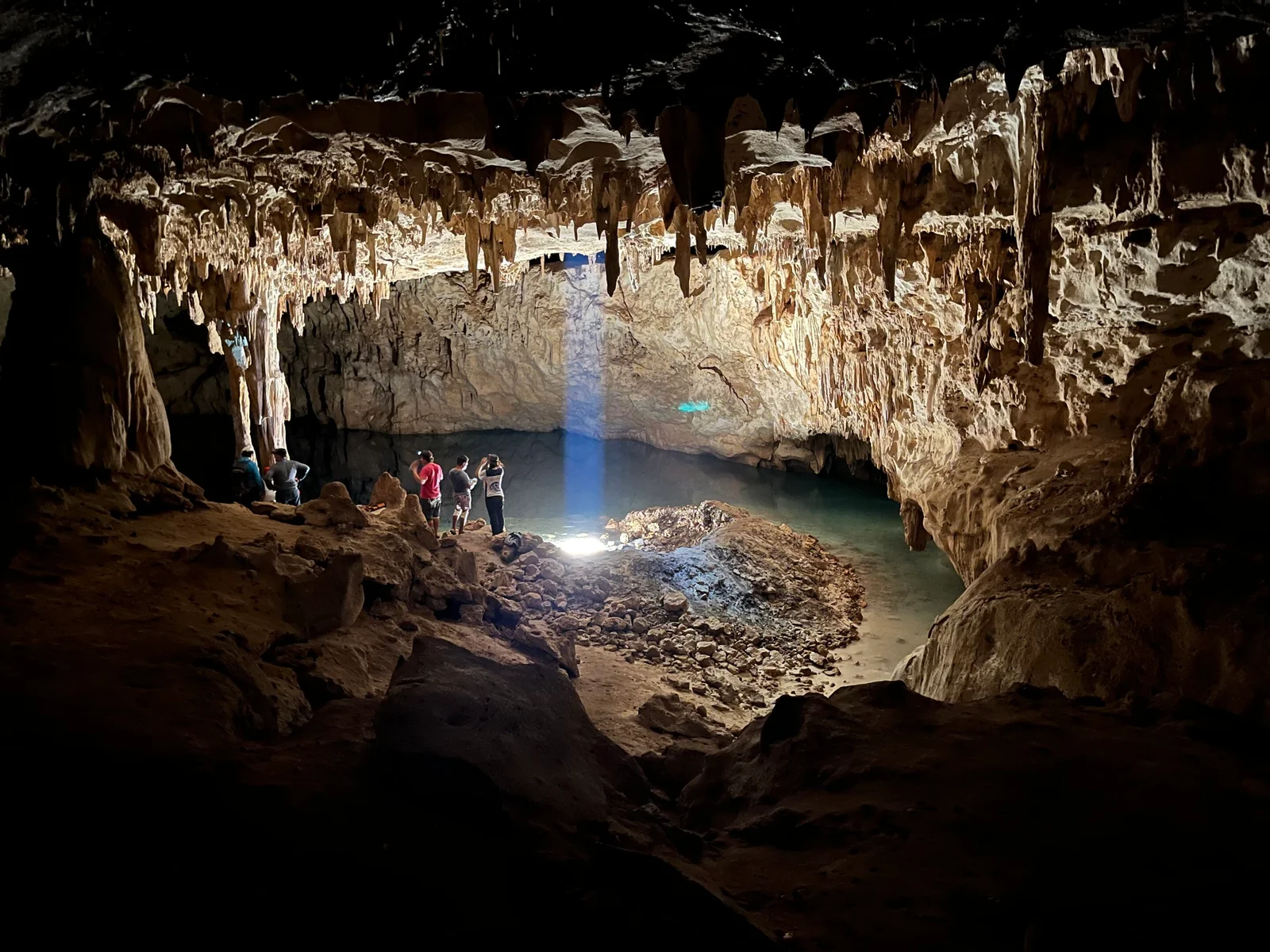
Chemical analysis of stalagmites from a Mexican cave revealed that during the Maya collapse (871-1021 CE), there were eight droughts lasting over three years, with the longest lasting 13 years, likely contributing to societal decline. This detailed climate data aligns with archaeological evidence of halted monument construction and societal upheaval, providing new insights into the role of climate stress in the Maya civilization's decline.

"Unearthed: Astonishing Golden Orbs Discovered beneath Maya Pyramid"
archaeology3 years ago

"Unearthed: Astonishing Golden Orbs Discovered beneath Maya Pyramid"

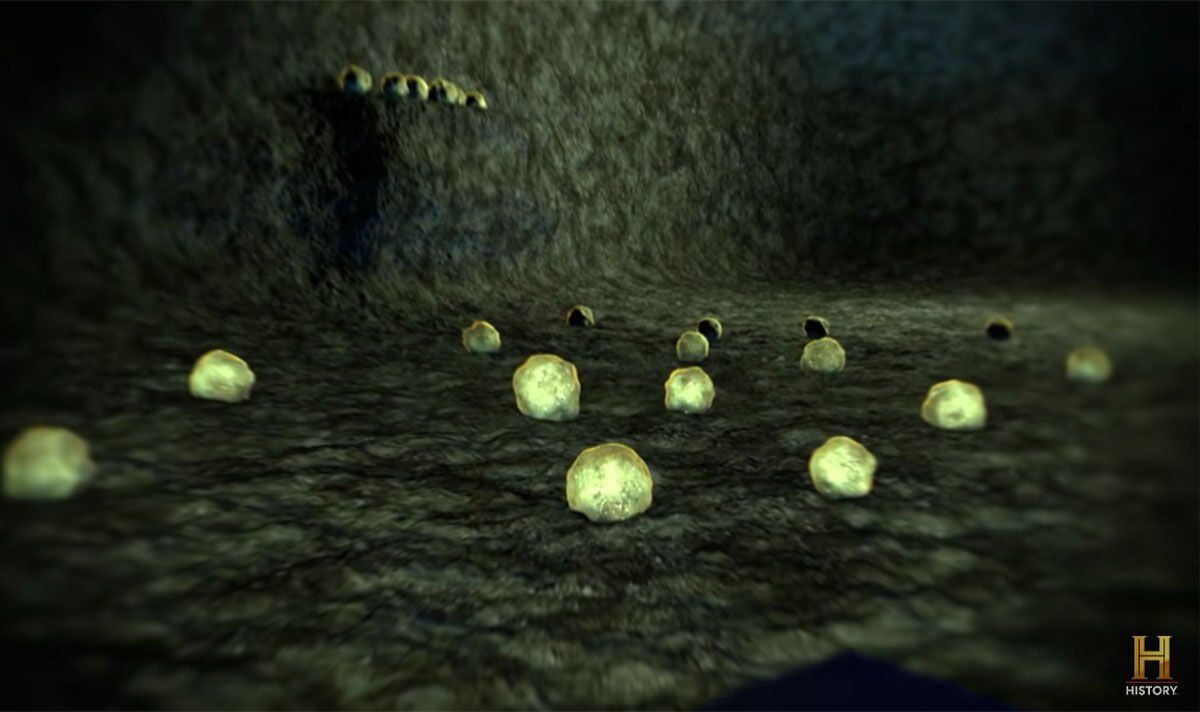
Archaeologists exploring a hidden tunnel beneath the Temple of the Feathered Serpent in Teotihuacan, Mexico, discovered two "golden orbs" wrapped in a gold film. The orbs, made of clay, were found in a side tunnel and are believed to have served a sacred ritual purpose. The walls surrounding the orbs were covered in a gold substance, possibly representing the cosmos. Researchers speculate that the Maya used these orbs to study the night sky, particularly the orbit of Mars, which held great significance in their calendar. The discovery provides further evidence of the Maya's advanced astronomical knowledge.

Laser Technology Unveils Hidden Maya City in Mexico
archaeology3 years ago

Laser Technology Unveils Hidden Maya City in Mexico

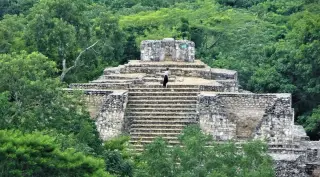
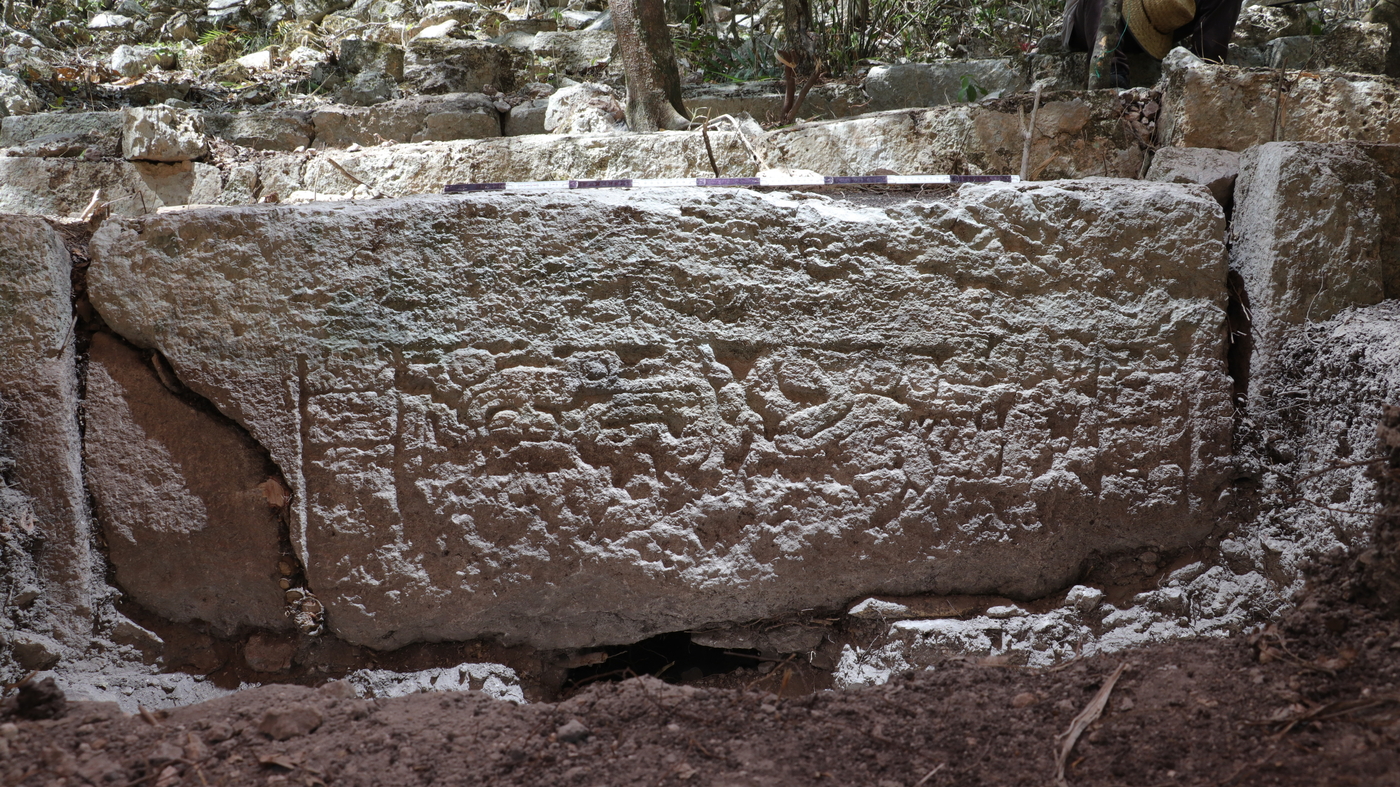
Scientists using lidar technology have discovered a previously unknown and massive Maya city called Ocomtun in Mexico's Yucatan Peninsula. The city, which may have served as a political center, challenges previous assumptions about the Maya civilization's range. Lidar imaging, combined with on-foot verification, revealed monumental structures and puzzling shapes, suggesting Ocomtun's significance. The site contains architectural complexes requiring hundreds of laborers and dates back to the late Classic period, with some objects indicating an even earlier timeline. The discovery raises questions about the Maya's endurance and offers insights into ancient civilizations.

archaeology3 years ago

Lost Maya city uncovered in Mexican rainforest.

A previously unknown ancient Maya city, named Ocomtun, has been discovered in the jungles of southern Mexico using aerial laser mapping technology. The city includes large pyramid-like buildings, stone columns, three plazas with "imposing buildings," and other structures arranged in almost-concentric circles. It is likely an important center for the peninsula's central lowland region between 250 and 1000 AD. The site probably declined around 800 to 1000 AD, likely due to "ideological and population changes" that led to the collapse of Maya societies in that region by the 10th century.