
Maya Red Pigment Use Linked to Centuries of Mercury Pollution in Yucatán Lakes
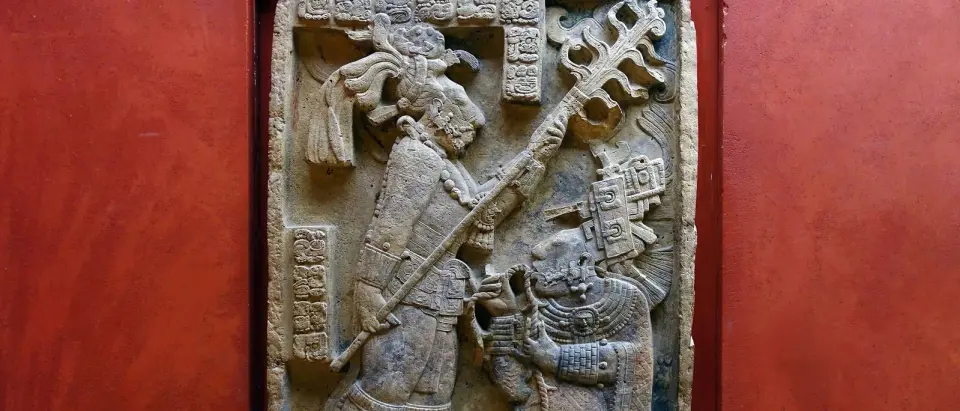
A new study in Science Advances reveals that the ancient Maya’s extensive use of cinnabar, a mercury-rich red pigment, caused severe ecological damage in Yucatán lakes. Sediment cores from Lago Cobá and Cenote Xcach show mercury levels up to nine times the threshold for severe harm to aquatic life. This pollution, likely from imported cinnabar and liquid mercury, wiped out shellfish and algae, potentially stressing communities during the Classic Period collapse.
Key points
- Matthew Neal Waters and colleagues analyzed sediment cores from Lago Cobá and Cenote Xcach in Mexico’s Yucatán Peninsula, dating back over 2,000 years.
- Mercury levels at Xcach peaked at 18 parts per million around A.D. 720, nine times the 2 ppm threshold for severe harm to sediment-dwelling organisms.
- At Cobá, mercury concentrations rose from A.D. 40, peaked at 2.3 ppm between A.D. 250–300, and returned to natural levels by A.D. 520.
- The pollution coincided with the disappearance of ostracods, freshwater snails, and specific midge larvae, indicating a collapse of local food webs.
- Cinnabar, a mercury sulfide mineral, was scarce in the Yucatán and likely imported from regions such as Honduras, arriving via long-distance trade.
- While mercury pollution may not have directly caused the Classic Maya collapse, it added to existing environmental stresses like drought and warfare.
Background
Previous studies, including a 2020 analysis at Tikal, Guatemala, and a 2022 review of ten Maya sites, had already identified high mercury levels and toxin-producing cyanobacteria in ancient water reservoirs. This new research extends those findings to the Yucatán Peninsula, providing a more detailed timeline of pollution and its ecological impacts.
How outlets are covering it
ZME Science emphasizes the broader ecological collapse and the potential link to the Classic Maya decline, highlighting the 'deadly consequence' of the Maya’s love for red. Archaeology News Online focuses on the specific data points, such as the precise mercury concentrations and the timing of pollution spikes, noting that the Maya city of Cobá had a population of 50,000 to 90,000. Yahoo/Live Science quotes Matthew Waters directly, noting that the Maya likely did not realize the extent of their pollution, and highlights the contrast between the vibrant red color and its toxic nature. All sources agree on the core findings but differ in emphasis: ZME Science on the historical narrative, Archaeology News on the scientific data, and Yahoo on the human element and direct quotes from the researcher.
Why it matters
This study adds a new dimension to the understanding of the Classic Maya collapse, suggesting that environmental degradation from pigment use was a significant stressor alongside drought and warfare. It also highlights the long-term impacts of ancient human activities on ecosystems, providing a cautionary tale about the environmental consequences of resource extraction and use.
What to watch
Further research may explore the specific pathways of mercury entry into the lakes, whether through cinnabar pigment or liquid mercury, and the extent of human exposure to methylmercury through the food chain. Additionally, more sediment cores from other Maya sites could help determine if this pollution was widespread or localized to certain regions.
- The Maya’s Love of Red Paint May Have Had a Deadly Consequence Nobody Knew About ZME Science
- Mercury contamination found at more ancient Maya sites Reuters
- Mercury from Maya cities leaked into Yucatán lakes at toxic levels for centuries, study finds Archaeology News Online Magazine
- Ancient Maya unknowingly poisoned Yucatán water with mercury Yahoo
- Ancient Maya mercury use may have come at a severe environmental cost Phys.org
Want the full story? Read the original reporting
Read on ZME Science