
Scottish scientists sequence humpback whale genomes using drone-collected breath samples
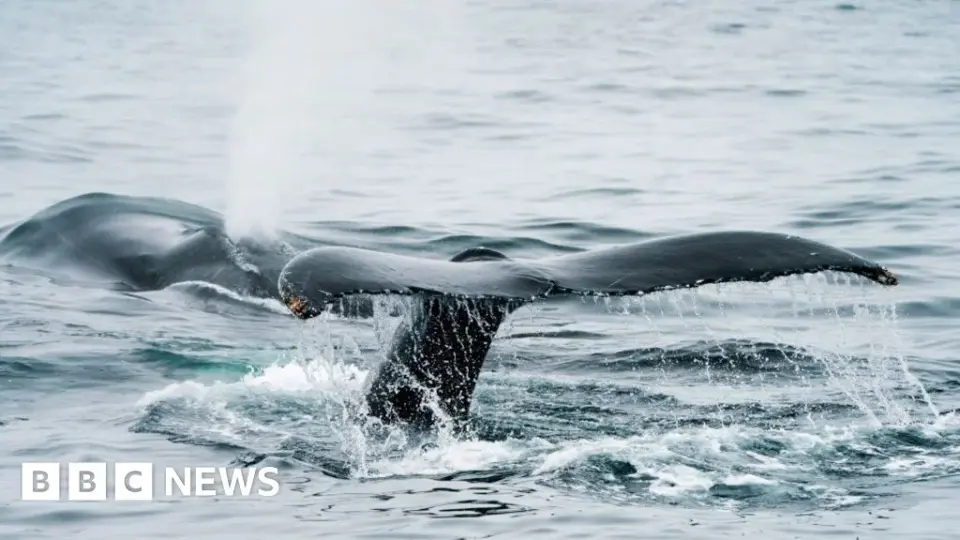
Researchers from the University of St Andrews successfully sequenced whole genomes from humpback whales by flying drones through their blowholes to collect exhaled breath. This non-invasive method, tested on 56 whales off British Columbia, matched results from traditional biopsy samples and correctly identified the animals' sex. The technique aims to replace invasive darting methods and help study whale social structures and population health without disturbing the animals.
Key points
- A team from the University of St Andrews and the Scottish Oceans Institute collected DNA from 56 North Pacific humpback whales using drones equipped with sterile petri dishes.
- The drones flew through the whales' blowholes to capture exhaled breath, known as 'blow', which contains biological material.
- Genome sequences derived from the breath samples matched those obtained from traditional skin and blubber biopsies, validating the new method.
- The breath-derived genomes correctly determined the sex of every sampled whale.
- The research was published in the journal Molecular Ecology Resources and is described by lead researcher Dr. Éadin O'Mahony as a world first for this species.
- The technique avoids the need for close boat approaches or invasive darting, which can disturb whales or is banned for some species due to conservation concerns.
Background
This development follows earlier marine research efforts, such as the 2026 study combining acoustic data and drone footage to understand Omura’s whale behavior, highlighting a growing trend in using non-invasive technology for cetacean research. Prior to this project, only one whole genome of a North Pacific humpback whale was publicly available, limiting genetic studies on the population.
Why it matters
This non-invasive sampling method offers a significant advancement in marine conservation and genetics. By eliminating the need for invasive biopsies or close vessel approaches, researchers can study whale populations with minimal disturbance. The collected data will help scientists understand population structure, health, and social bonds, such as whether foraging groups are related by family or long-term friendship, which is crucial for effective conservation strategies.
What to watch
Researchers plan to use the collected blow-derived genomes to assess population structure, health, and kinship among humpback whales foraging in northern British Columbia. The data will help determine how social bonds form within these groups, providing insights into their social dynamics and genetic diversity.
Want the full story? Read the original reporting
Read on BBC