Scottish scientists sequence humpback whale genomes using drone-collected breath samples
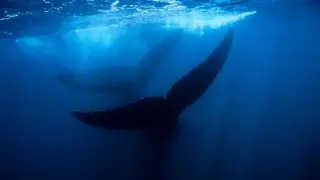
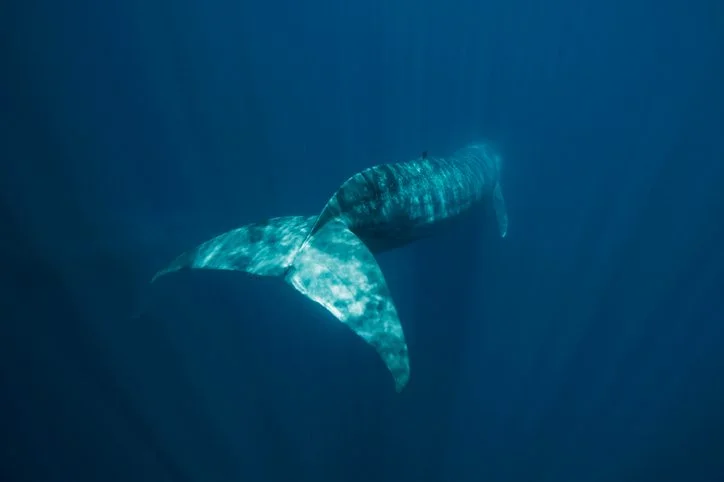
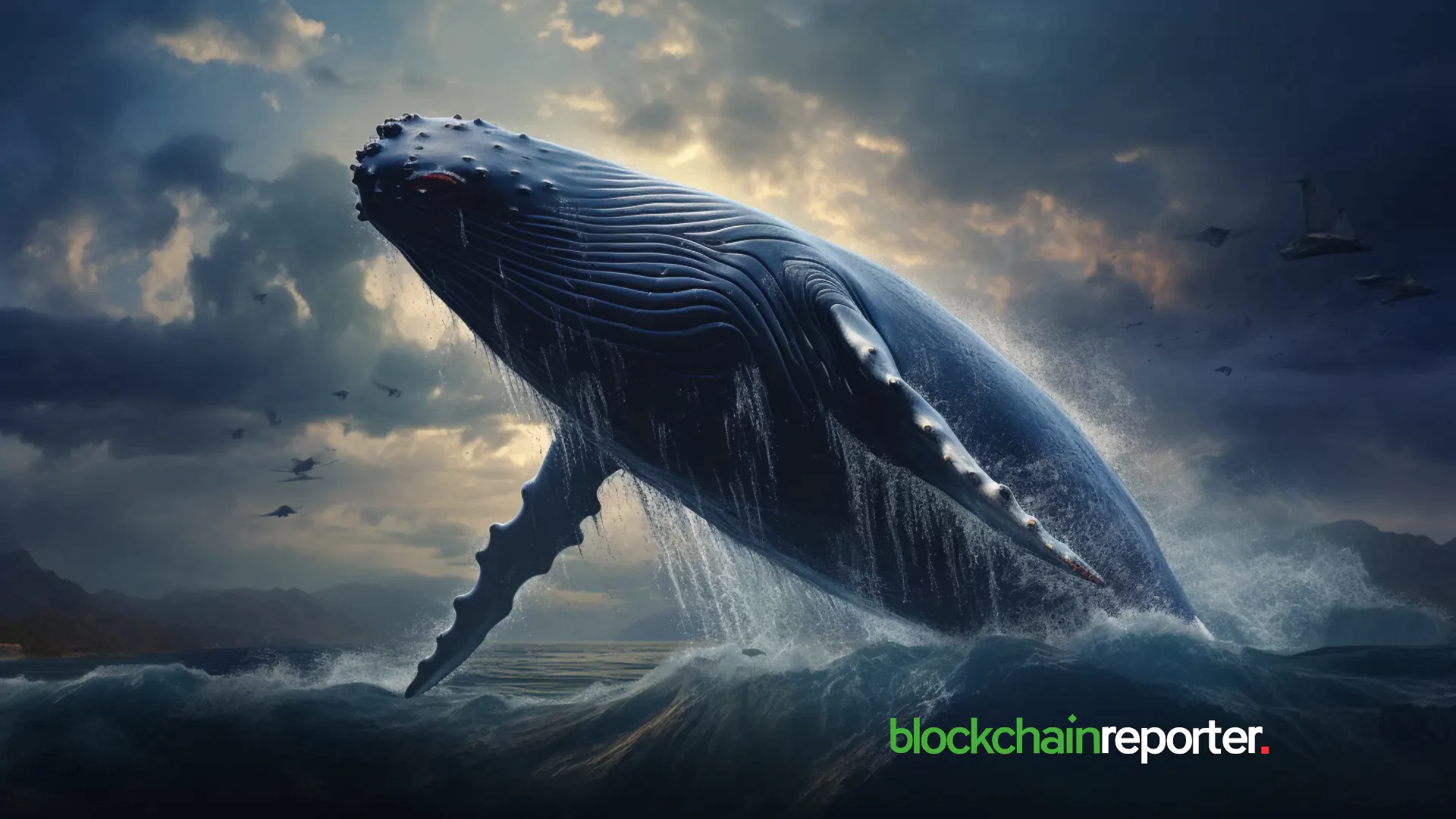
Researchers from the University of St Andrews successfully sequenced whole genomes from humpback whales by flying drones through their blowholes to collect exhaled breath. This non-invasive method, tested on 56 whales off British Columbia, matched results from traditional biopsy samples and correctly identified the animals' sex. The technique aims to replace invasive darting methods and help study whale social structures and population health without disturbing the animals.