
Study reveals adults outperform children in creativity, but lack confidence
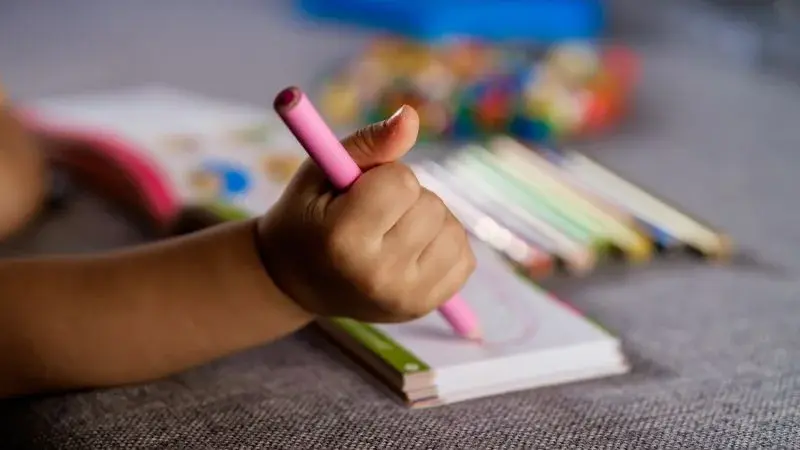
A new study challenges the common belief that children are more creative than adults. Research published in PLOS One found that adults actually produced more novel and effective ideas in creative tasks. However, children displayed significantly higher confidence, enthusiasm, and enjoyment, particularly in unstructured activities. The gap stems from adults' anxiety about performance and desire for clear goals, whereas children thrive on autonomy and lack of constraints. Experts suggest that fostering creativity in children requires providing unstructured time and affirming their efforts, rather than interfering with their play.
Key points
- Adults scored higher than children on novelty, effectiveness, and overall creativity in tasks like drawing mythological creatures and finding uses for tin cans.
- Children reported higher self-efficacy, motivation, and enjoyment, especially in tasks without specific goals or constraints.
- Adults expressed higher anxiety about performing poorly and preferred tasks with clear instructions, unlike children who thrived on open-ended activities.
- 80% of adults in a pre-study survey believed children were more creative, a view researchers attribute to a misunderstanding of creativity as emotional rather than sophisticated.
- Experts recommend parents allow children unstructured, independent play and affirm their creative efforts to foster long-term creative confidence.
Background
This study builds on previous discussions about the decline of creativity in adulthood. Earlier research often highlighted the impact of societal norms and structured education on creative expression. The new findings in PLOS One provide empirical data to counter the widespread perception that children are inherently more creative, suggesting instead that the difference lies in confidence and comfort with ambiguity.
Why it matters
Understanding that adults are not less creative, but less confident, can shift how we approach education and parenting. By recognizing that creativity thrives under autonomy and without fear of rejection, parents and educators can create environments that encourage risk-taking and innovation. This insight helps dismantle the myth that creativity is lost with age, instead highlighting the role of psychological barriers in suppressing creative expression in adults.
What to watch
Researchers and educators may use these findings to design curricula that reduce performance anxiety and encourage open-ended exploration in adults. Parents might adopt strategies like asking open-ended questions and allowing unstructured play to boost children's creative confidence. Further studies could explore how to translate children's high self-efficacy into sustained creative behavior in adults.
Want the full story? Read the original reporting
Read on CNN