
Tiny 40,000-Year-Old Ivory Birds Unearthed in German Cave
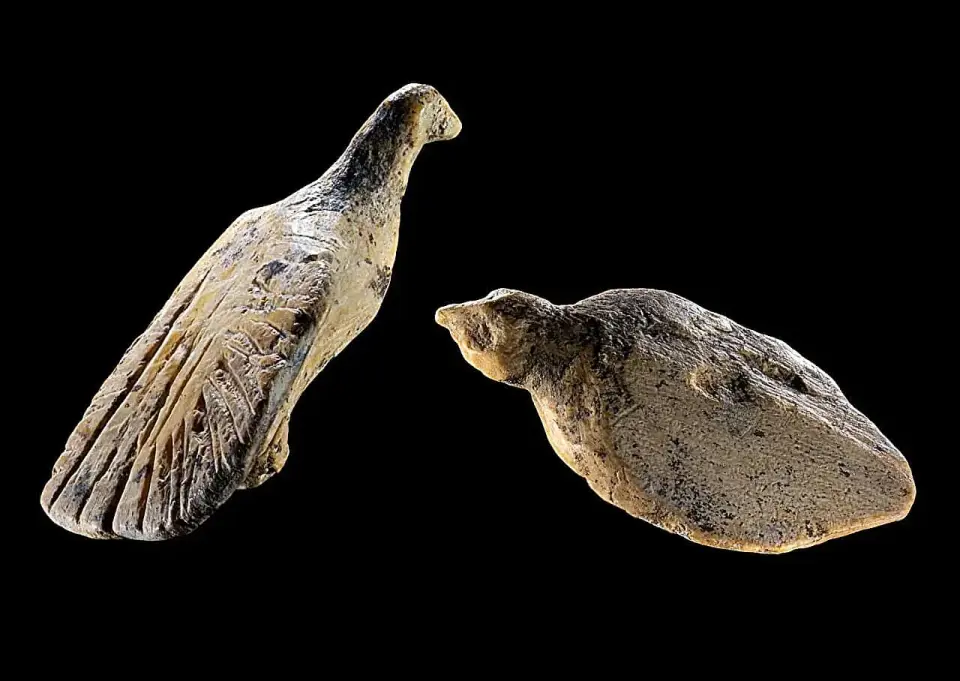
Archaeologists in Germany have uncovered two miniature bird figurines carved from mammoth ivory, dating back approximately 40,000 years. Found in the Hohle Fels Cave, these artifacts are among the smallest known Ice Age artworks and demonstrate the advanced observational skills of early modern humans.
Key points
- Two bird figurines, weighing just 2 grams combined, were recovered from the Hohle Fels Cave in southwestern Germany during 2025 excavations.
- The carvings, made from mammoth ivory, date to the Aurignacian period and are approximately 40,000 years old.
- One figurine depicts a bird with outstretched wings, while the other appears to be brooding over eggs; both feature detailed eyes and feather markings.
- The discovery brings the total number of bird carvings found at Hohle Fels to three, suggesting a specific artistic tradition at this site compared to neighboring caves.
- The artifacts are currently on display at the Museum of Prehistory and Ice Age Art in Blaubeuren until April 2027.
Background
Hohle Fels Cave is part of a UNESCO World Heritage site in the Swabian Jura, known for some of the oldest figurative art in Europe, including the Venus of Hohle Fels. Previous excavations in the 1860s and 2000s revealed various animal figurines and musical instruments, but bird representations were rare until the 2003 discovery of a waterfowl carving. These new finds add to the understanding of Aurignacian culture and the cognitive abilities of early Homo sapiens in Europe.
How outlets are covering it
ZME Science and Smithsonian Magazine emphasize the artistic skill and observational detail of the carvings, noting that the birds are not highly stylized but include specific features. HeritageDaily highlights the unique artistic identity of the Hohle Fels site, pointing out that no bird figurines have been found at other nearby Ice Age art sites. Yahoo News focuses on the potential species identification, suggesting the birds could be ptarmigan or capercaillie, and notes the uncertainty regarding their exact behavior or purpose. All sources agree on the significance of the find in understanding early human art and culture.
Why it matters
The discovery of these tiny, detailed bird figurines provides insight into the artistic and cognitive capabilities of early modern humans during the Ice Age. It suggests that these communities had a sophisticated understanding of nature and the ability to create intricate art from difficult materials like mammoth ivory. The presence of multiple bird carvings at a single site also hints at specific cultural or symbolic traditions that may have helped early humans build social networks and identities.
What to watch
Researchers plan to analyze ancient DNA from cave sediments to further understand the cultural and cognitive factors that drove this artistic flowering. The figurines will remain on display at the Museum of Prehistory and Ice Age Art in Blaubeuren until April 4, 2027, allowing the public to view these remarkable artifacts.
- These Tiny 40,000-Year-Old Bird Carvings Reveal Astonishing Ice Age Artistry ZME Science
- Archaeologists Discover Two Thumbnail-Size Bird Sculptures Carved From Mammoth Ivory 40,000 Years Ago smithsonianmag.com
- Thumbnail-sized Ice Age figurines discovered in Hohle Fels Cave HeritageDaily
- Find in German cave: 40,000-year-old mammoth ivory bird figures discovered Yahoo
- 40,000-year-old bird figurines the size of a thumbnail discovered in German cave Live Science
Want the full story? Read the original reporting
Read on ZME Science