
Ukraine Strikes Kamensk-Shakhtinsky Propellant Plant with Neptune Missiles and Drones
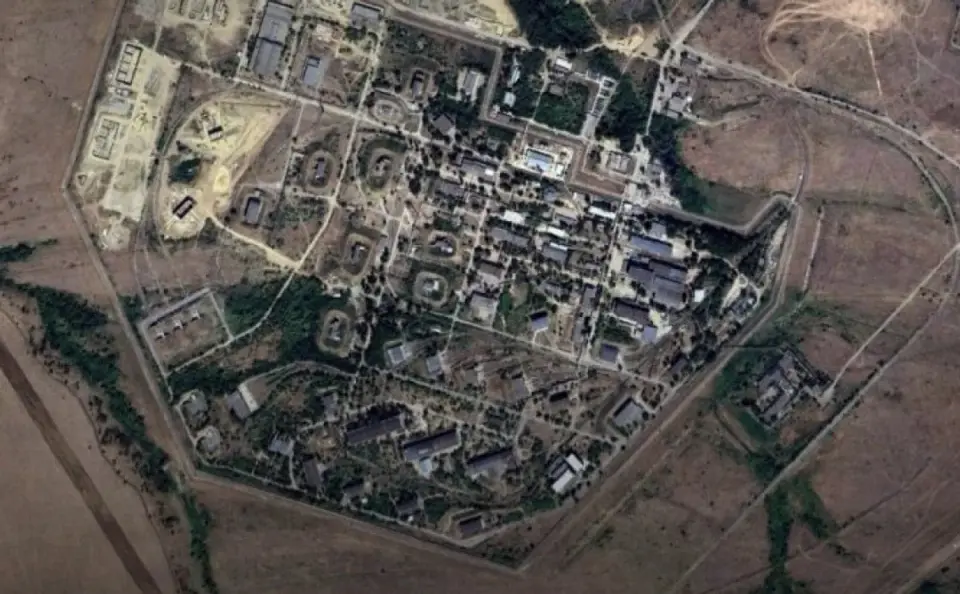
Ukrainian forces launched a coordinated overnight attack on the Kamensky chemical plant in Russia’s Rostov region, utilizing Neptune cruise missiles and attack drones. The General Staff of the Armed Forces of Ukraine confirmed that the strike damaged four production workshops and ignited a warehouse storing finished solid rocket propellant. This facility supplies critical propellant for Russian multiple-launch rocket systems, including the Uragan, Smerch, and Tornado-S. The operation coincided with synchronized strikes on four logistics depots in occupied Ukrainian territories and drone attacks on oil refineries in Bashkortostan and Samara regions.
Key points
- The Kamensky plant in Kamensk-Shakhtinsky was targeted by a combined force of Ukrainian Navy Neptune missiles and unmanned aerial units.
- Confirmed damage includes a fire in a finished products warehouse and destruction of four production workshops.
- The facility produces solid rocket propellant for 220mm Uragan, 300mm Smerch, and Tornado-S multiple-launch rocket systems.
- Simultaneous strikes hit four Russian logistics depots in Donetsk, Zaporizhzhia, and Luhansk regions.
- Ukrainian drones also struck the Bashneft-Novoil refinery in Ufa, igniting a catalytic reforming unit.
- The Foreign Ministry framed these strikes as a response to recent Russian attacks on Ukrainian civilian and energy infrastructure.
Background
This operation follows a pattern of Ukrainian deep strikes targeting Russian military-industrial infrastructure. In late September, Neptune missiles damaged the Azov Optical-Mechanical Plant in Rostov, which produces missile components. Earlier in October, a coordinated campaign targeted the Redkino Experimental Plant in Tver, which produces fuel for Kh-101 cruise missiles. Additionally, Ukraine has recently intensified strikes on Russian aviation assets, destroying multiple Su-34 fighter-bombers at airbases in Volgograd and Voronezh regions over the past month.
How outlets are covering it
The General Staff of the Armed Forces of Ukraine, reported by Kyiv Post and UNITED24 Media, emphasized the precision of the strike, highlighting the joint use of Neptune missiles and drones to target high-value military-industrial infrastructure. UNITED24 Media noted that the extent of production capacity impact remains unverified, citing satellite imagery from the OSINT project Absolutely Reliable Source. Ukrainian Pravda provided a concise confirmation of the strike details without additional analysis. Ukrinform focused on the diplomatic context, with Foreign Ministry spokesperson Heorhii Tykhyi stating that strikes on legitimate military targets in Russia are a direct response to Russian terror against Ukrainian civilians and energy infrastructure. While all sources agree on the target and confirmed damage, Kyiv Post and Ukrainian Pravda provided more detailed technical descriptions of the propellant types and logistics depot locations, whereas Ukrinform prioritized the political justification for the strikes.
Why it matters
The strike on the Kamensky plant targets a critical node in Russia’s rocket propellant supply chain, potentially disrupting the production of ammunition for major multiple-launch rocket systems used against Ukrainian positions. The synchronized attacks on logistics depots in occupied territories and oil refineries in Bashkortostan and Samara aim to degrade Russian frontline replenishment and energy infrastructure. These operations reflect Ukraine’s escalating campaign to strike high-value military-industrial and energy targets deep within Russian territory, aiming to reduce Russia’s strike capacity and weapon assembly capabilities at the source.
What to watch
Analysts will monitor the extent of production disruptions at the Kamensky plant and the impact on Russian rocket ammunition supply. The damage to the Ufa refinery’s catalytic reforming unit may affect high-octane gasoline production and hydrogen supply for fuel desulfurization. Ukraine is expected to continue targeting Russian military-industrial infrastructure and logistics hubs to degrade frontline capabilities. Russia may respond with increased strikes on Ukrainian energy and civilian infrastructure, as highlighted by the Foreign Ministry’s reference to recent Russian attacks.
- Drones and Neptune Missiles Strike Kamensky Rocket Fuel Plant Kyiv Post
- Ukraine’s Neptune Missiles Hit Russia Where Its Rockets Are Born, Damaging Four Factory Workshops UNITED24 Media
- Ukraine strikes Russian rocket fuel plant with Neptune missiles and drones – General Staff Українська правда
- Ukraine hits plant producing fuel for Russian multiple-launch rocket systems in Rostov Oblast, military says The Kyiv Independent
- FM spox: Ukraine’s strikes on legitimate military targets in Russia are response to Russian terror Ukrinform
Want the full story? Read the original reporting
Read on Kyiv Post