
Ukrainian Drones Disable Russian Corvette in Baltic Sea, Killing Crew Members
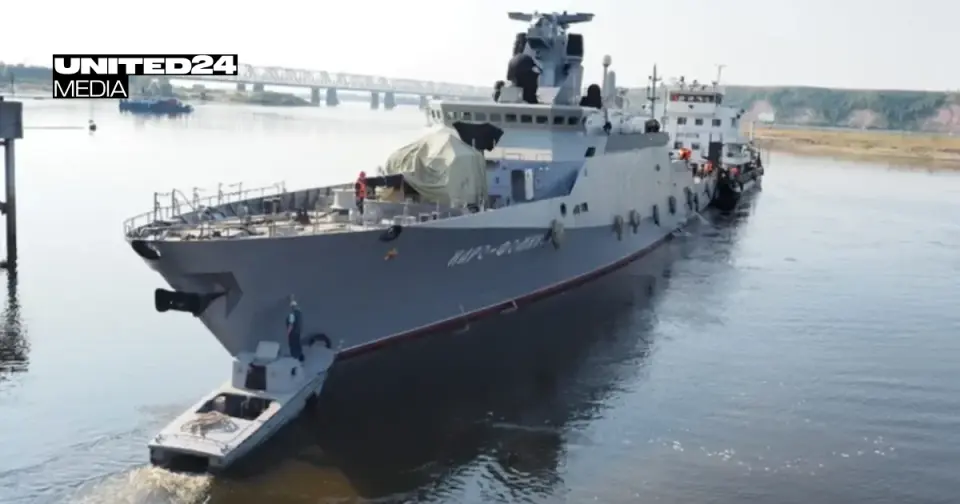
On November 11, 2026, Ukrainian drones struck the Russian Buyan-M-class corvette Naro-Fominsk in the Gulf of Finland, causing significant damage and casualties. The vessel, part of Russia’s Baltic Fleet, lost independent navigation capability and required assistance to reach St. Petersburg. This marks the first known Ukrainian strike on a Russian warship in the Baltic Sea. The attack occurred during a broader drone operation targeting the Ust-Luga oil terminal in Russia’s Leningrad region, which also resulted in fires and infrastructure damage. Estonian and Finnish officials confirmed the incident, noting that drones briefly entered Estonian airspace but were not intercepted to avoid escalation. Ukraine’s Security Service claimed responsibility for the strike, while NATO aircraft monitored the situation without engaging.
Key points
- The Naro-Fominsk, a 2022-launched Buyan-M-class corvette armed with Kalibr missiles, was hit by multiple drones near Gogland Island in the Gulf of Finland on November 11, 2026.
- Estonian military officials confirmed the ship sustained significant damage, resulting in crew fatalities and injuries, though exact numbers were not disclosed.
- The vessel initially attempted to return to St. Petersburg under its own power but later required assistance from another Russian ship due to loss of independent navigation.
- The strike was part of a larger Ukrainian drone operation targeting the Ust-Luga oil terminal, which suffered fires and damage to storage tanks, pipelines, and an LNG terminal.
- Ukrainian drones briefly entered Estonian airspace during the operation, but Estonian forces chose not to intercept them to prevent debris from falling into Russian territory.
- NATO fighter aircraft, including Turkish jets based in Estonia, monitored the drone activity but did not engage due to escalation concerns.
Background
This incident follows a series of Ukrainian drone strikes against Russian military and infrastructure targets in the Black Sea and Baltic regions. In September 2026, Ukraine pushed Russia’s Black Sea Fleet into a repair trap, and in October, the Black Sea Fleet had not left port in five months. The November 11 strike on the Naro-Fominsk marks the first known Ukrainian attack on a Russian warship in the Baltic Sea, a region previously untouched by such direct naval strikes. The attack occurred during trilateral peace talks in Abu Dhabi, which concluded without a breakthrough, and coincided with US shuttle diplomacy involving Jared Kushner and Steve Witkoff meeting both Putin and Zelenskyy. The broader context includes rising tensions in the Baltic, with NATO allies monitoring Russian naval activity and Ukrainian drone operations expanding into new theaters.
How outlets are covering it
Estonian military officials, including Colonel Aron Kalmus, emphasized the precision and scale of the Ukrainian drone strike, confirming multiple hits on the Naro-Fominsk and casualties among the crew. They noted that the ship’s limited point defenses made it vulnerable to such an attack. Finnish officials confirmed the incident but stressed that the Baltic Sea remained stable and safe for marine traffic, with no immediate threat to civilian vessels. The BBC reported that the strike was unprecedented in the Baltic but did not consider it a serious escalation, while military analyst Emil Kastehelmi suggested Ukraine exploited a window of opportunity. Al Jazeera highlighted the timing of the strike amid US-led peace talks, noting that Zelenskyy praised mediation efforts. The Maritime Executive focused on the strategic implications, suggesting the strike signals a shift in the high-intensity Black Sea conflict to the Baltic theater. Ukraine’s Security Service claimed responsibility for the attack, while Russian authorities provided minimal details, and some unconfirmed reports suggested Russian combat helicopters were destroyed during the operation, though this was not confirmed by official sources.
Why it matters
The strike on the Naro-Fominsk represents a significant escalation in the Russia-Ukraine conflict, marking the first known Ukrainian attack on a Russian warship in the Baltic Sea. This expansion of Ukrainian drone operations into a new NATO theater raises concerns about the potential for further escalation and the security of maritime traffic in the region. The incident also highlights the growing capability of Ukrainian drones to target high-value Russian assets, including military vessels and critical infrastructure. As NATO allies monitor the situation, the strike may influence future defense strategies and diplomatic negotiations, particularly in the context of ongoing peace talks and US shuttle diplomacy. The damage to the Ust-Luga oil terminal further underscores the impact of Ukrainian strikes on Russia’s energy infrastructure, potentially affecting global energy markets and Russia’s war financing.
What to watch
The immediate aftermath of the strike will likely involve increased NATO monitoring of the Baltic Sea and potential adjustments to Russian naval operations in the region. Ukraine may continue to target Russian military and infrastructure assets in the Baltic, while Russia could enhance its air defense and naval defenses in response. Diplomatic efforts, including US-led peace talks, may be influenced by the incident, with both sides potentially using the strike as leverage in negotiations. The status of the Naro-Fominsk and other Russian naval assets in the Baltic will be closely watched, as will any further Ukrainian drone operations in the region. The broader implications for NATO’s defense posture in the Baltic and the potential for escalation remain key areas of focus in the coming weeks.
- Ukrainian Drones Leave Russian Missile Warship Unable to Sail, With Crew Dead and Wounded UNITED24 Media
- Russian warship hit by Ukrainian drone in Gulf of Finland BBC
- Finland detects strike on Russian warship as Zelenskyy meets US envoys Al Jazeera
- Ukraine Hits Russian Corvette With Multiple Drones in the Gulf of Finland The Maritime Executive
- Estonia outlines details of Ukrainian attack on Russian missile ship in Baltic Sea Українська правда
Want the full story? Read the original reporting
Read on UNITED24 Media