
Record-Breaking El Niño Signals Warmer, Wetter Winters for New England and Global Hunger
A 'Super El Niño' is intensifying in the Pacific, forecast to be the strongest since 1950. This event is expected to bring warmer, wetter winters to New England and the northern U.S., while simultaneously driving record global temperatures and acute hunger for 50 million people worldwide.
Key points
- Sea surface temperatures in the equatorial Pacific have set new daily highs since June 2026, signaling a record-breaking El Niño event.
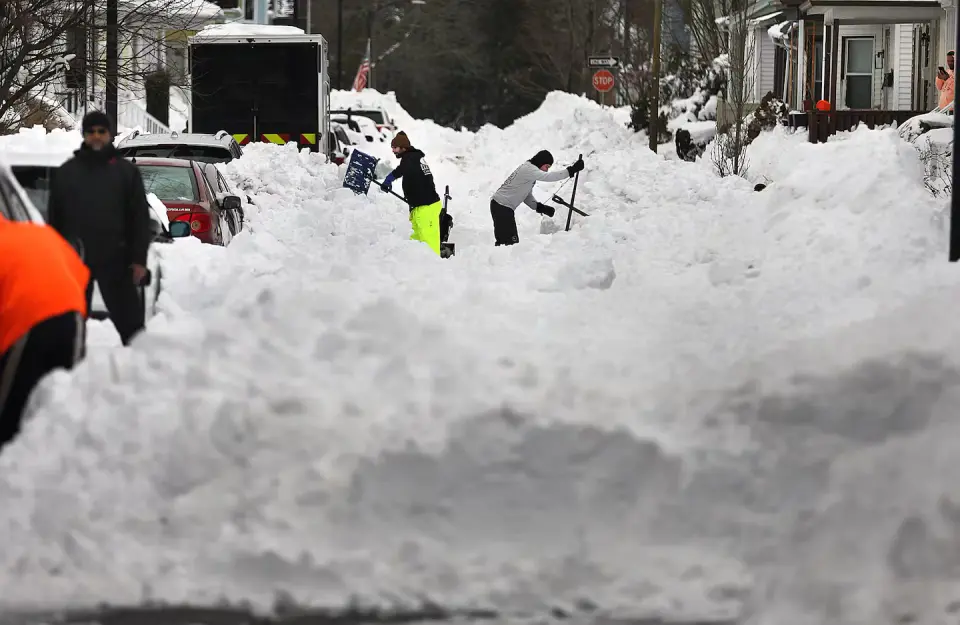
- New England is forecast to experience warmer-than-average temperatures and increased precipitation, but significantly less snowfall than the previous winter.
- The World Food Programme warns that the El Niño could push 50 million additional people into acute hunger by the end of 2027, exacerbating existing food insecurity.
- Scientists predict 2026 and 2027 will likely set records for the warmest years on record, with El Niño adding heat to an already warming planet.
- All major computer models agree the El Niño will persist through winter 2026 and potentially into 2027, a rare consensus among forecasters.
Background
Previous coverage in July 2026 indicated a 97% chance of a strong or very strong El Niño through December, with forecasts suggesting a split-flow winter pattern in North America. Earlier reports also highlighted potential record-breaking Category 5 hurricanes in the Pacific and a 'cold blob' in the North Atlantic that could counteract some warming effects in eastern North America.
How outlets are covering it
The Boston Globe emphasizes the local impact on New England, noting that while winters will be warmer and wetter, snowfall is expected to be below average. CNN highlights the global predictability of this event, noting that the 'strongest' El Niño does not necessarily mean the worst impacts, but rather a higher probability of typical 'teleconnections' like drought in Australia and India. The Guardian focuses on the humanitarian crisis, warning of 50 million people facing acute hunger, while AP News stresses that current summer heat is driven by long-term climate change, with El Niño adding only a fraction of a degree to the global average.
Why it matters
The unprecedented strength of this El Niño provides high-confidence seasonal forecasts, allowing governments and aid agencies to prepare for extreme weather, food shortages, and record temperatures. For New England, this means a shift from the snowy winter of 2025-26 to a milder, wetter season, while globally, the event threatens to accelerate climate change impacts and exacerbate food insecurity in vulnerable regions.
What to watch
Forecasters will monitor the El Niño's peak intensity through late fall and winter 2026. The World Food Programme is deploying anticipatory relief efforts, budgeting $80 million for early warning systems. Global temperature records are expected to be tested in 2026 and 2027, with 2027 likely becoming the warmest year on record.
- A historic Super El Niño is underway. Here’s how this phenomenon could reshape New England’s next winter. The Boston Globe
- What the ‘strongest El Niño on record’ actually means (for humans) CNN
- El Niño could push 50m people into acute hunger before end of next year The Guardian
- This summer isn’t breaking heat records — yet. Wait until El Nino kicks in, scientists say AP News
- El Niño continues strengthening towards record territory, likely to reach 'Super' status by year's end FOX Weather
Want the full story? Read the original reporting
Read on The Boston Globe