
Qatari envoys bridge US-Iran gap in Berlin as Tehran demands confidence-building measures
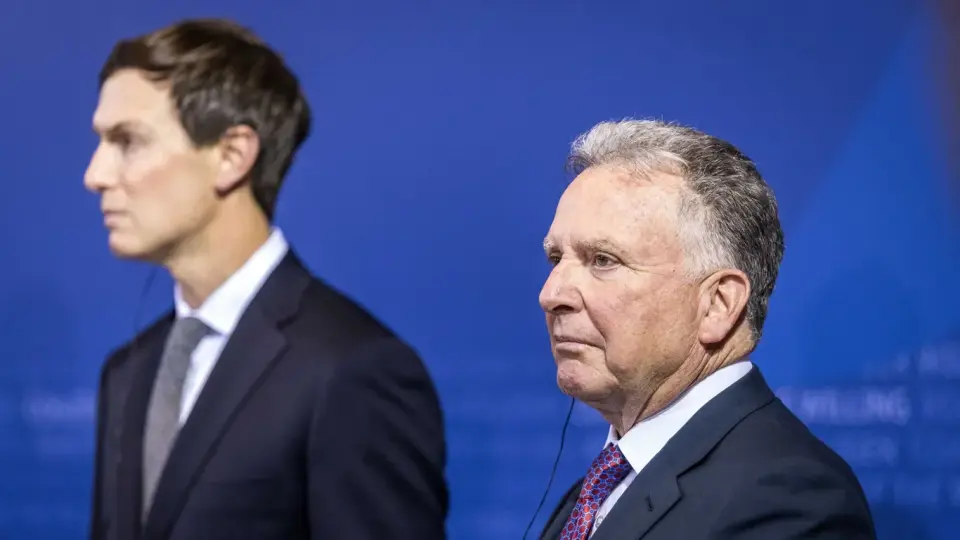
Qatari mediators are intensifying efforts to prevent a new US-Iran war, holding high-level talks in Berlin and Tehran. While Washington seeks a permanent nuclear deal, Tehran demands immediate confidence-building measures, including lifting the naval blockade and releasing frozen funds, before resuming negotiations.
Key points
- US envoys Steve Witkoff and Jared Kushner met Qatari Prime Minister Sheikh Mohammed bin Abdulrahman Al Thani and envoy Ali al-Thawadi in Berlin to discuss resuming the ceasefire and nuclear talks.
- Iranian Foreign Minister Abbas Araghchi stated that Qatar and Pakistan are the only active mediation channels, demanding that President Trump explicitly declare his intent to reach a deal to build trust.
- Tehran insists on a two-day proposal: the US must lift its naval blockade, release frozen funds, and implement oil sale waivers before Iran reopens the Strait of Hormuz and resumes negotiations.
- Trump stated he is not rushing a decision on military action until the new year, while Araghchi warned that any US attack would be met with a firm response.
- Recent drone attacks on US radar systems in Bahrain and strikes on tankers in the Strait of Hormuz have heightened tensions, with Qatar warning that escalation poses a 'grave danger' to diplomatic progress.
Background
This diplomatic push follows weeks of stalled negotiations after an eight-month war. Previous drafts rejected by Tehran included proposals for IAEA inspections in exchange for lifting the blockade. The US military estimated the war cost at $47 billion, and oil prices rose above $115 per barrel due to Houthi attacks and regional instability. Trump previously indicated a renewed military campaign was 'quite unlikely' after meeting Qatari leaders in Washington, but pressure from Israel has complicated the timeline.
How outlets are covering it
Axios and Jerusalem Daily highlight the active shuttle diplomacy by Qatar, noting Witkoff and Kushner’s Berlin meeting as a key step to narrow the gap. Euronews emphasizes the immediate security risks, citing drone attacks on US bases in Bahrain and tanker strikes in the Strait of Hormuz as threats to the fragile truce. The Times of Israel reports that a Qatari delegation visited Tehran for a two-hour meeting, confirming ongoing contact despite the stalemate. While Trump frames the issue as Iran 'bullshitting' for 51 years, Araghchi counters that the US must first demonstrate seriousness through confidence-building measures, such as lifting the blockade, before discussing nuclear stockpiles.
Why it matters
The outcome of these negotiations determines whether the region returns to war or stabilizes. A failure to resolve the nuclear stockpile issue or lift the naval blockade could trigger a new military campaign, disrupting global energy supplies and oil prices. The success of Qatari mediation is critical to preventing a broader Gulf conflict.
What to watch
Watch for a formal US declaration of intent to negotiate, as demanded by Iran. Monitor the status of the naval blockade and frozen funds, which are key confidence-building measures. Also, observe any further military incidents in the Strait of Hormuz or Bahrain, which could derail the diplomatic track before the new year.
- Scoop: Witkoff and Kushner meet Qatari mediators to discuss Iran negotiations Axios
- Qatari delegation visited Tehran last night for talks, Iranian official says The Times of Israel
- Qatar warns Gulf escalation poses 'grave danger' to US-Iran deal Euronews.com
- Qatari mediation to de-escalate tensions between Washington and Tehran amid US threats of military options جريدة القدس
- Qatar warns Hormuz closure is a 'global crisis', urges diplomacy with Iran Gulf News
Want the full story? Read the original reporting
Read on Axios