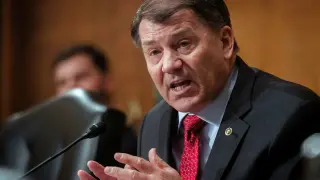
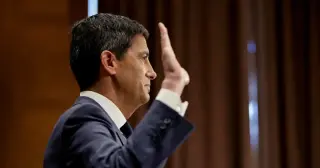
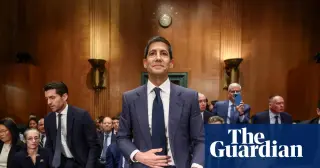
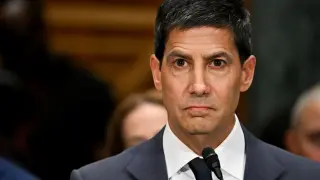
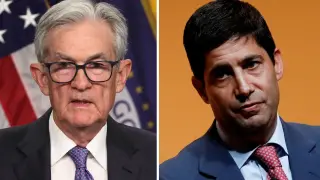
Sen. Mike Rounds praised Fed Chair Kevin Warsh’s two days of congressional testimony for prioritizing inflation and preserving the Fed’s independence, noting his June decision to hold rates steady and his emphasis on lowering consumer costs — including housing — in line with Congress’s goals.
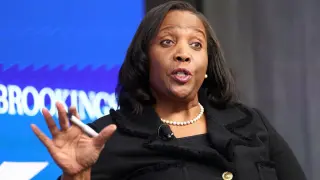
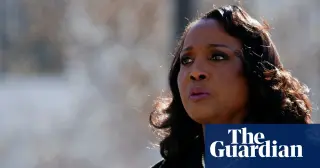
The Supreme Court ruled that President Trump cannot fire Federal Reserve Governor Lisa Cook for now, denying his bid to stay a lower court ruling while her dismissal challenge proceeds; the court did not decide whether Trump ultimately has that power, emphasizing the Fed's independence in a 5-4 decision, with Chief Justice Roberts writing for the majority, and Cook remaining on the Fed during litigation.
Fed governor Lisa Cook faced more than $1.3 million in legal and security costs after being targeted by the Trump administration; she was briefly reinstated by a federal court, but the firing remains before the Supreme Court, a case that tests the Fed’s independence from politics. Meanwhile, the Fed held rates steady and signaled a possible year-end hike as inflation concerns persist, with Trump ally Kevin Warsh having limited influence on the board.
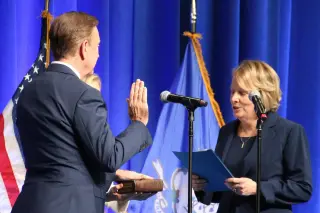
President Trump used Kevin Warsh’s swearing-in as Federal Reserve Chair to stress Fed independence, telling Warsh to “do your own thing” and avoid White House pressure, in a backdrop of a 3.75% federal funds rate, sticky inflation around the high end of its range, and a flat yield curve. Markets are pricing independence as a key driver of the rate path, leaving three big questions for Warsh: whether the data permits further cuts, whether the curve resolves, and whether independence holds if policy and politics diverge.
Kevin Warsh is sworn in as Federal Reserve chair at the White House, the first such ceremony there since 1987, highlighting the central tension between maintaining the Fed’s independence and a president who has urged rate cuts. Analysts are divided on whether Warsh will resist political pressure given his conservative stance on easing, while observers note the White House ceremony signals optics that diverge from Fed tradition. Markets and policymakers will watch how Warsh handles inflation pressures from geopolitical events, communications reforms, and the Fed’s balance-sheet normalization, with some anticipating continued independence and others bracing for political influence similar to Powell’s experience.
The Senate is expected to confirm Kevin Warsh as Federal Reserve chair, a move that aligns with Trump’s push to influence monetary policy; Warsh, once a hawk on inflation, has aligned with calls to cut rates, and Democrats warn that the Fed’s independence could be eroded as confirmation proceeds amid ongoing scrutiny of White House interference.
CNBC reports that Kevin Warsh argues for strict Federal Reserve independence in monetary policy while signaling willingness to cooperate with Congress on non-monetary matters, including a proposed Treasury-Fed accord to govern the balance sheet. Former Fed officials say his comments are unclear and potentially worrying, since such an accord could limit asset purchases, blur lines between monetary and credit policy, or invite political influence via swap lines. The debate centers on whether the Fed’s balance sheet and dollar-swap facilities could become instruments of Treasury policy during crises, potentially eroding independence if the Fed is required to heed Treasury directions.
Fed Chair Jerome Powell and incoming chair contender Kevin Warsh will participate in the mid-June FOMC meeting, a historic overlap that could spark subtle policy tensions as Warsh signals for easing while Powell stresses Fed independence; with core inflation around 3.2% and a robust labor market, near-term rate cuts are unlikely, but the high-stakes dynamic amid political pressure and internal debates could influence the Fed’s path and messaging.
The Senate Banking Committee voted 13-11 to advance Kevin Warsh’s nomination to chair the Federal Reserve, putting him closer to succeeding Jerome Powell. Democrats largely opposed, while GOP Sen. Thom Tillis lifted his blockade after the DOJ deferred to the Fed inspector general on the Fed HQ renovations probe, a move supporters say preserves central bank independence. The Fed is expected to hold rates steady at its meeting later today, with Powell likely giving what could be his final press conference as chair.
Catherine Rampell argues Kevin Warsh’s Senate confirmation hearing failed two tests of Fed independence: he dodged questions about Trump’s probe of Powell and offered no clear plan for resisting presidential pressure, raising questions whether he could keep the Fed autonomous as inflation and geopolitical shocks complicate policy. The piece notes Warsh’s hawkish past versus Trump’s push for rate cuts, and highlights ongoing political pressure around Powell’s tenure and the market signals facing a potential Warsh-led Fed.
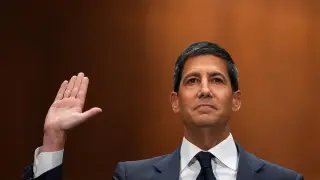
Fed chair nominee Kevin Warsh will tell lawmakers at his confirmation hearing that monetary policy independence must be earned and is essential, resisting political pressure while prioritizing price stability. He says the Fed should listen to diverse views but stay in its lane on policy, committing to accountability and to working with the Administration and Congress on non-monetary matters. He stresses that inflation is a responsibility of the Fed and that keeping it low protects the most vulnerable.
Warsh argues the Fed must stay largely independent of politics and remain focused on its monetary policy goals, warning against overreach into fiscal, climate, or social policies; he notes some areas lack independence (like stewardship of public monies) and says operational independence on rates should be preserved. His nomination faces potential hurdles due to an ongoing U.S. attorney’s investigation into the Fed’s HQ renovation, though the White House expects swift confirmation.
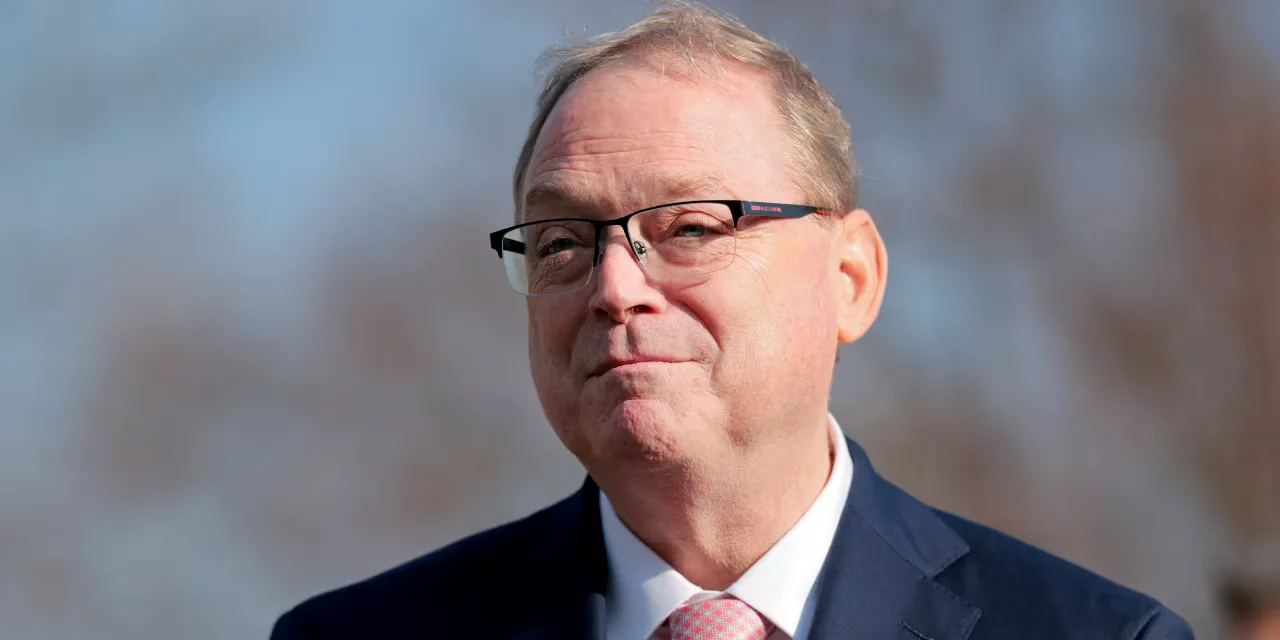
White House economic adviser Kevin Hassett apologized after initially demanding discipline for authors of a New York Fed study that found tariffs have burdened U.S. businesses and consumers more than the administration acknowledged, saying the Fed’s independence and academic freedom must be preserved even as he criticized the paper.
Neel Kashkari, head of the Minneapolis Fed, condemned White House adviser Kevin Hassett’s suggestion that New York Fed researchers be punished, calling it an effort to undermine the Fed’s independence. He cited DOJ subpoenas related to Fed headquarters as evidence of political pressure, stressed that the Fed must decide based on data, and highlighted the value of diverse research from all 12 regional banks in informing policy.
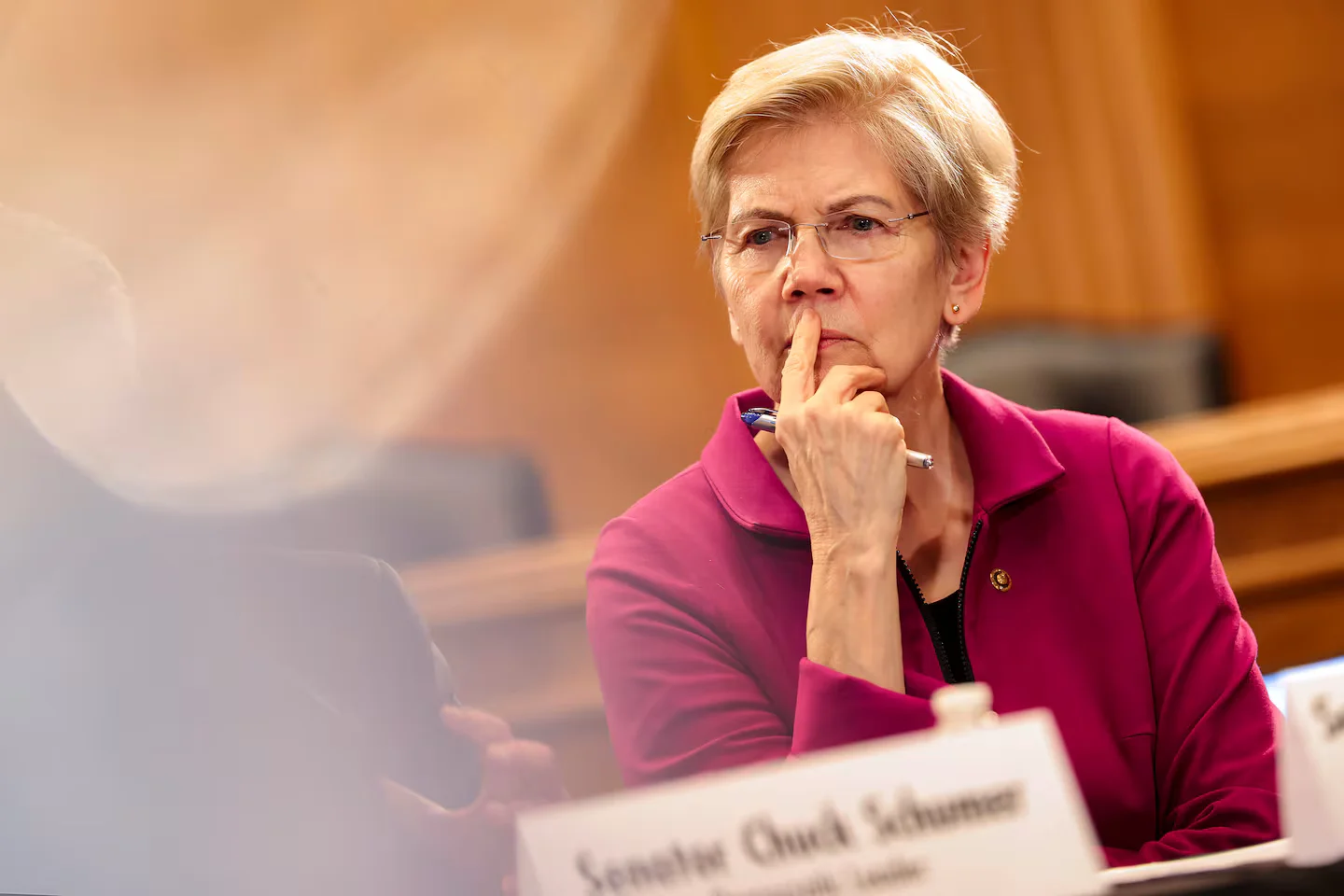
Sen. Elizabeth Warren is leading Democrats against Donald Trump’s pick for Fed chair, Kevin Warsh, arguing his past hawkish stance raising the prospect of political influence over policy would undermine the Fed’s independence. With Republicans in the Senate majority, her effort to delay or derail Warsh faces an uphill battle as the nomination moves forward amid broader tensions over inflation, Powell’s leadership, and political pressure on the central bank.