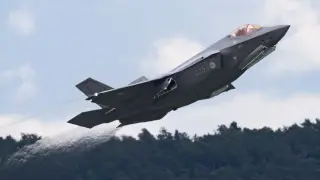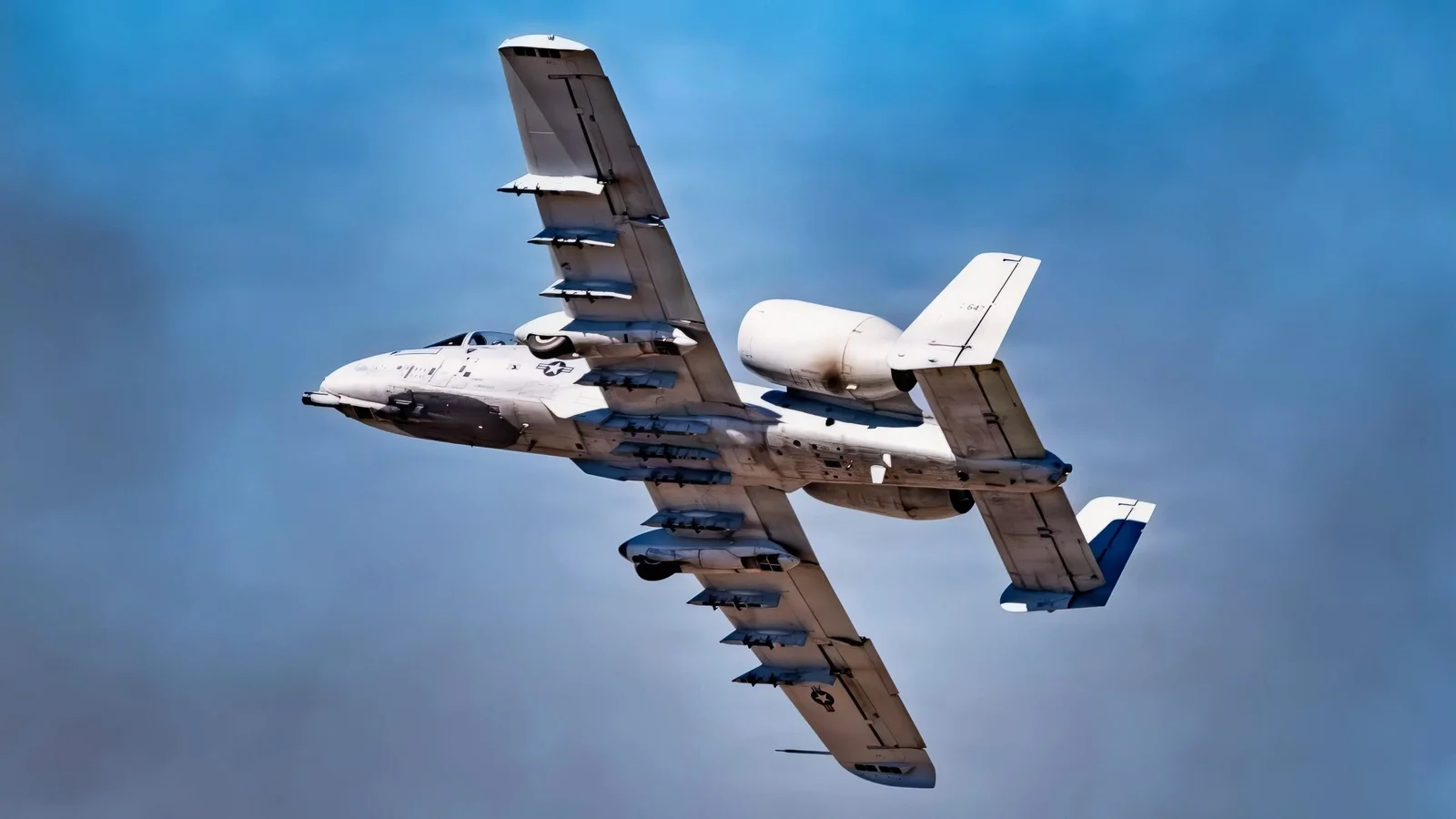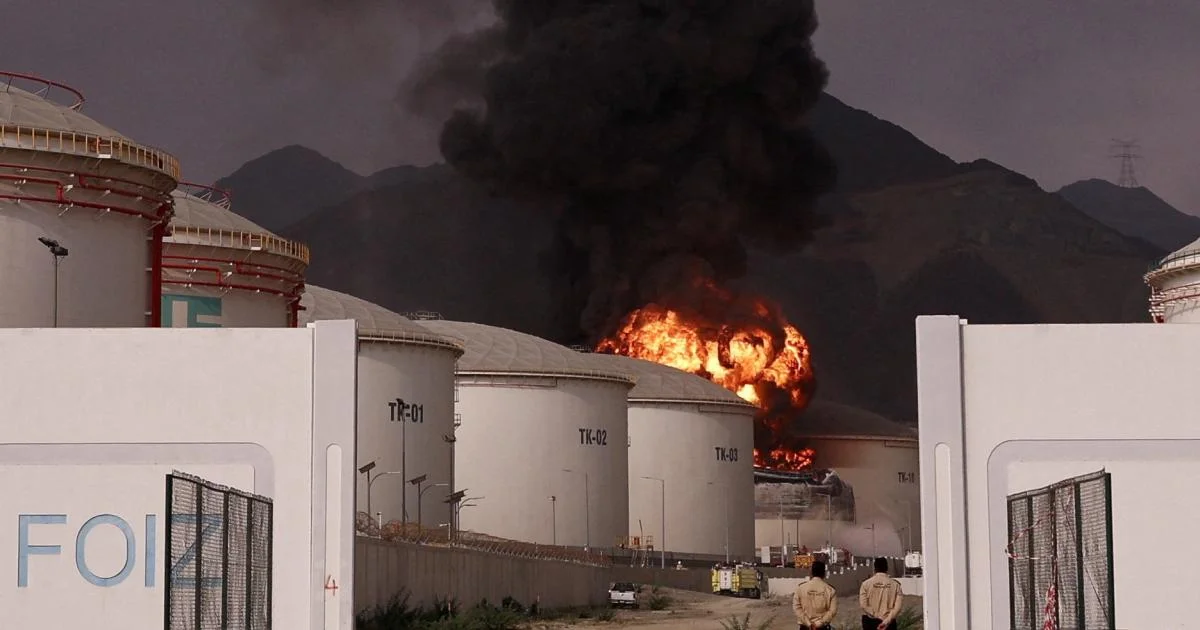
Israel approved a plan to buy two new squadrons—F-35s from Lockheed Martin and F-15IA from Boeing—as part of a 350 billion shekel ($119 billion) force buildup to maintain air superiority amid tensions with Iran, with final U.S. approvals still to come.
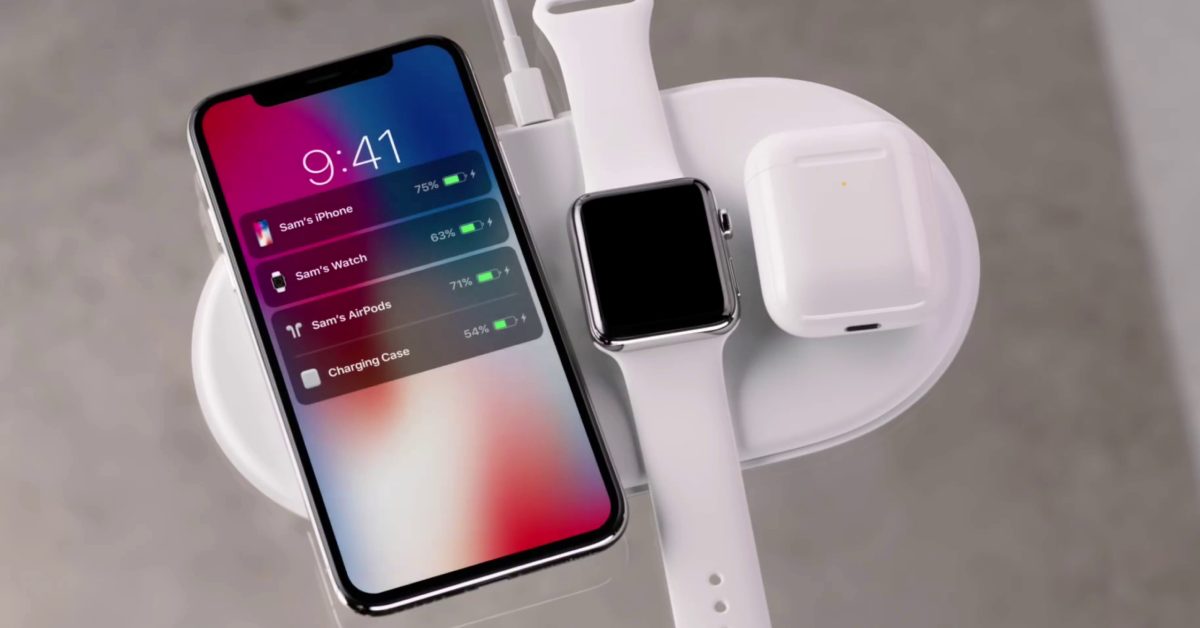
Tim Cook said the 2012 Apple Maps launch with iOS 6 was not ready and apologized, noting that Apple told users to use other apps; he also cited the unreleased AirPower as another misstep. Despite the early flaws, Maps has improved, and Cook highlighted the Apple Watch’s launch as a notable success. He also announced he will step down as CEO in September, with John Ternus succeeding him, as Apple continues to refine its products and services.
Tim Cook described the 2012 Apple Maps launch as his “first big mistake,” saying the product wasn’t ready and that testing largely in Cupertino led to widespread, sometimes dangerous, misdirections; Apple subsequently fired Maps chief Richard Williamson and, controversially, Scott Forstall for not co-signing an apology. Apple Maps has since improved and even runs ads, though it’s still not perfect. Cook highlighted the Apple Watch as a major success and acknowledged other failures, including the canceled Apple Car and the AirPower mat, noting these remarks at an April 22, 2026 town hall ahead of his leadership handover to John Ternus.
The piece argues that the U.S.-Israeli air campaign has quickly degraded Iran’s military infrastructure by targeting fixed facilities and production nodes, yet Iran remains capable of retaliation and adaptation. The war has not ended; mobile launchers disperse, command structures bend, and lower-end, improvised systems fill gaps, making definitive victory elusive. The campaign appears to follow a model of coercion without occupation—sustain pressure from afar while avoiding ground control—an approach that may be sustainable and effective in a narrow sense, but it is not the kind of decisive victory many Americans once expected.
Robert A. Pape argues that Iran’s response to the U.S.-Israeli strike demonstrates a strategy of horizontal escalation— widening the conflict across the Gulf, economics, and public opinion to gain political leverage. History shows airpower alone does not determine political outcomes (Vietnam, Kosovo), so the United States faces a choice between a longer, higher-cost campaign or a limited withdrawal, with risks to alliances, energy markets, and regional stability.
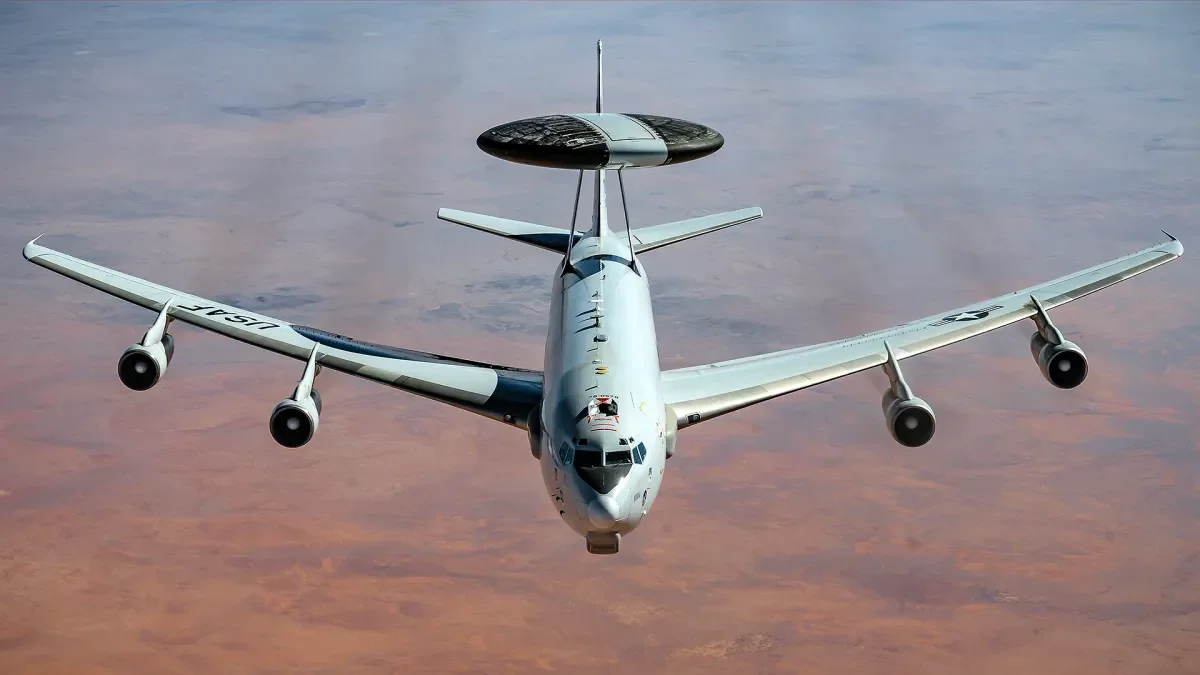
The United States is rapidly moving air and naval assets toward the Middle East in what appears to be a force build-up for a potential strike on Iran, with F-22s, F-16s, AWACS, U-2s and carrier groups transiting toward CENTCOM, while Iran conducts live-fire drills in the Strait of Hormuz and diplomacy shows cautious progress; allies like Jordan host more aircraft as analysts warn the force mix could enable a major campaign, though exact plans and timing remain uncertain.
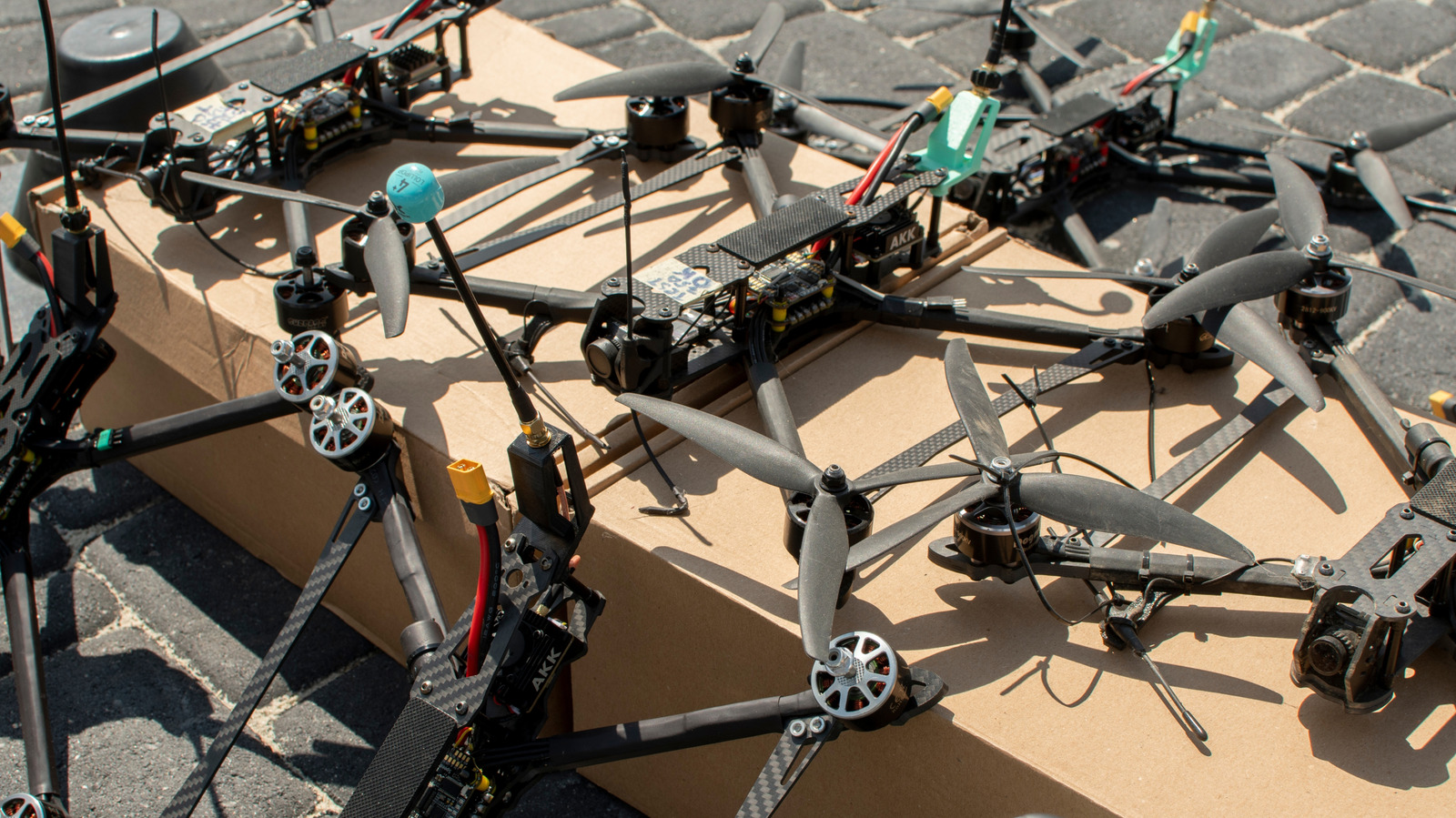
Cheap FPV drones, while innovative, face significant limitations such as fragility, susceptibility to electronic warfare, limited range, and weather dependence, making them less effective as a primary airpower asset compared to traditional military equipment like bombers or mortars. Despite some successes, their slow response time and operational constraints suggest they are more suited as supplementary tools rather than replacements for conventional forces, though ongoing technological advances may improve their future role.
A video shared by an Apple prototype collector reveals a working AirPower prototype recharging an Apple Watch Series 4 prototype, showcasing the device's ability to charge the Apple Watch despite heating issues. Apple had canceled the AirPower launch in 2019 due to inefficiency and heating problems, and later introduced MagSafe as an alternative wireless charging solution. Despite the cancellation, the prototype demonstrates the potential of AirPower's seamless wireless charging for multiple Apple devices.
A prototype of Apple's AirPower wireless charger has been seen charging an Apple Watch for the first time, showcasing its ability to charge devices with multiple overlapping coils. The device, which was canceled by Apple in 2019 due to development issues, was designed to charge Qi-based iPhones, Apple Watch, and AirPods. The recent demonstration by "Apple Demo" shows the AirPower prototype's ability to charge an Apple Watch, although it reportedly gets quite warm. Despite the cancellation of AirPower, rumors suggest that Apple is still exploring similar wireless charging solutions for the future.
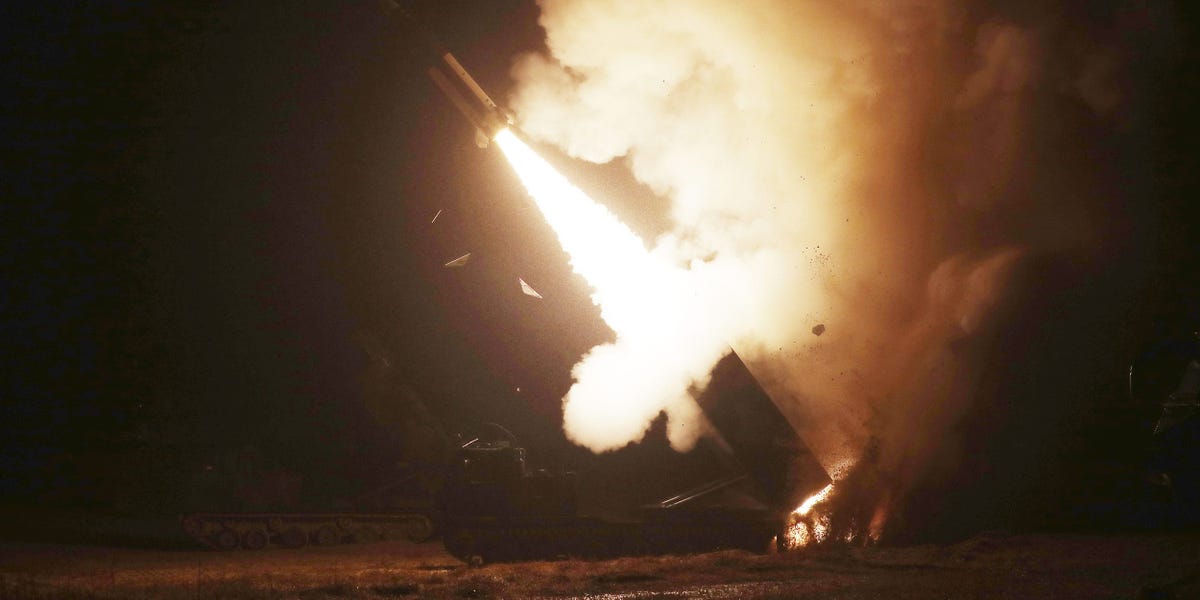
Ukraine's use of ATACMS missiles in strikes on Russian airbases has reportedly caused significant damage to Russian airpower, including the destruction of multiple helicopters and other weaponry. Western intelligence suggests that this may force Russia to change its basing strategy and could have a lasting impact on its ability to defend and conduct offensive activities. The ATACMS missiles, secretly acquired by Ukraine, have doubled the country's firepower range and are seen as a formidable weapon in the ongoing conflict.
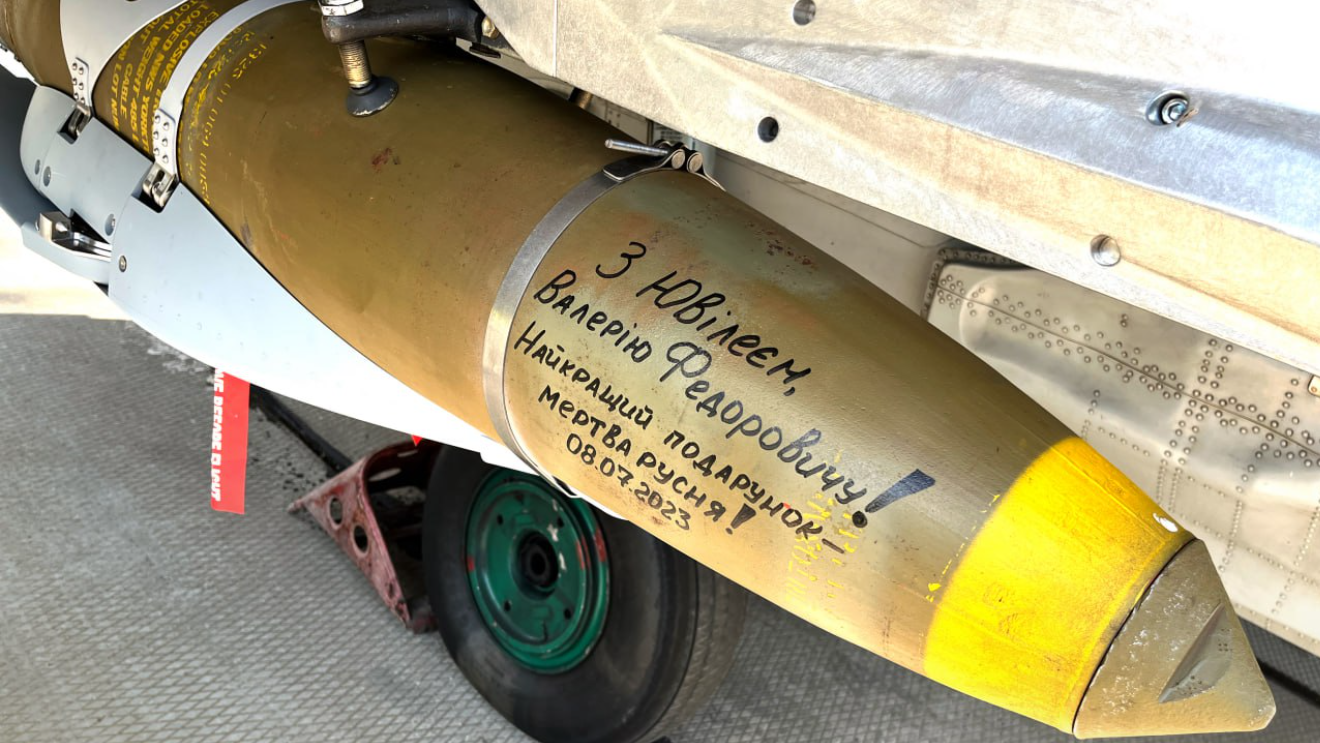
Ukraine has modified some of its MiG-29 fighter jets to carry winged JDAM-ER GPS-guided glide bombs, expanding their role in precision standoff strikes. The JDAM-ER kits transform conventional bombs into smart weapons with inertial and GPS guidance, giving them precision and range. While not as advanced as Ukraine's Storm Shadow cruise missiles, the modification demonstrates Ukraine's efforts to enhance the lethality of its existing airframes with Western support.
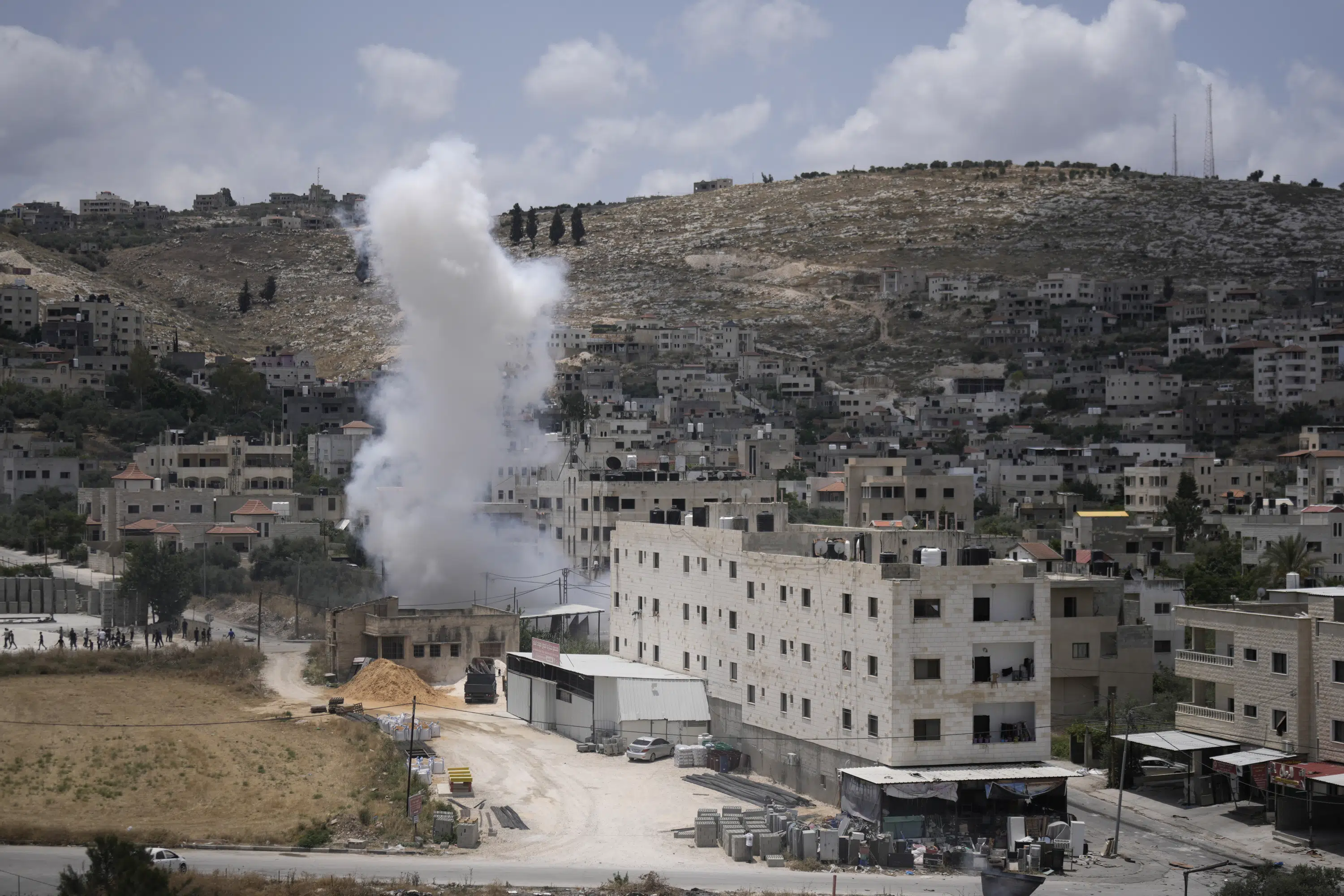
Israeli troops clashed with Palestinian militants in the West Bank city of Jenin, resulting in the rare use of Israeli airpower in the territory. Four Palestinians, including a 15-year-old boy, were killed, and at least 45 Palestinians and seven Israeli military personnel were wounded. The escalation is the latest in more than a year of near-daily violence that has wracked the West Bank. The Palestinian Health Ministry identified those killed as Khaled Asasa, 21, Qassam Abu Sariya, 29, Qais Jabarin, 21, and 15-year-old Ahmed Saqr.
If Ukraine receives the F-16s it has long sought, Kyiv's air force likely won't be flying them into Russian-held territory or dogfighting with Russian fighters right out of the gate. Instead, airpower experts say Ukraine will have to get creative with the forty-year-old fourth-generation fighters to really get results in battle. Air power could break the "slug fest," but that comes with the risks of downed F-16s. Regardless of which jet Ukraine gets, putting fourth-generation air power like the F-16 into a high-intensity conflict is "high risk," but going without that air power is even higher risk.
Tesla has launched its own multi-device charging station, the Wireless Charging Platform, which can charge three Qi-certified devices at the same time, including iPhones and AirPods cases. The charger has a design similar to Apple's AirPower, with 30 charging coils overlapping each other to fill the entire surface. The charging speeds are comparable to MagSafe and other Qi devices that support 15W rates. The Wireless Charging Platform is available for $300 on Tesla.com with free shipping.