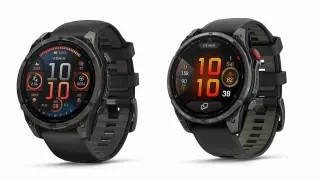
Images reportedly show the Garmin Fenix 9 and Fenix 9 Pro in AMOLED (43/47 mm) and a MiP solar (47 mm) variant, suggesting a titanium unibody and a design closely resembling the Fenix 8; official unveiling is expected around Aug 25, 2026.
A Czech retailer leak suggests Garmin Fenix 9 will come in 18 configurations across 43, 47, and 51 mm, with separate AMOLED and Solar options and widespread inReach connectivity. The 43 mm line appears AMOLED-only with inReach, while 47/51 mm models pair AMOLED and AMOLED‑inReach as well as Solar variants. Pricing hints show modest increases vs Fenix 8, especially for Solar inReach models. No MicroLED yet. Garmin’s Play Harder event on Aug 25 is anticipated and the listings were briefly pulled (now returning 404) but remain visible in search results.
Rumors suggest Garmin will launch three Fenix 9 models (Standard, Pro, and Pro inReach) with MIP Solar variants on the Pro tiers; all sizes may be 43mm, AMOLED as default, and Pro inReach likely adds cellular/LTE capabilities.
Garmin Rumors indicates Garmin plans a simultaneous launch of the Fenix 9 and Fenix 9 Pro, including a new 43mm Pro, with the Pro expected to feature built‑in LTE and inReach satellite messaging while the standard Fenix 9 remains GPS-centric (likely paired with a phone). A new Enduro 4 is also anticipated, likely in a single size and continuing with a MIP display, while there’s speculation the Fenix 9 could be AMOLED‑only. No official confirmation yet, but the outline points to a major outdoor wearables refresh this summer.
ASUS unveiled the VivoWatch 6 Plus at Computex, a globally launching smartwatch featuring a 1.43-inch AMOLED display in a titanium alloy chassis with sapphire glass, IP68 protection, and continuous health tracking including ECG, blood pressure, gait analysis and sleep-breathing monitoring.
OnePlus launched the Ace 6 Ultra in China, pairing a Dimensity 9500 chipset with a massive 8,600 mAh battery that supports 120W fast charging, a 6.78-inch AMOLED display at 165 Hz, and a dual-camera setup (50 MP main + 8 MP ultrawide), starting at 2,999 CNY (~$439) for 12 GB RAM and 256 GB storage, with higher RAM/storage options available up to 16 GB/1 TB.
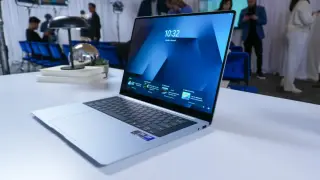
A German retailer listing via WinFuture reveals the Galaxy Book 6 Edge as a 16-inch AMOLED Windows laptop with a non-touch matte display (2,880x1,800, 120Hz, 500 nits). It’s powered by Qualcomm’s Snapdragon X2 Elite X2E-88-100, offering two configurations: 16GB RAM/512GB and 32GB RAM/1TB. Connectivity includes Wi‑Fi 7, Bluetooth 5.4, two USB-C 4.0 ports, USB-A 3.2 Gen 2, HDMI 2.1, 3.5mm jack, and microSD. The chassis weighs 1.55 kg, is 12.3 mm thick, and runs Windows 11 Home, with a reported 61.8kWh battery rated up to 22 hours. Pricing is €2,199 for the base model and €2,800 for the top variant; launch date remains unannounced, and the Edge model’s touch capability is reportedly absent.
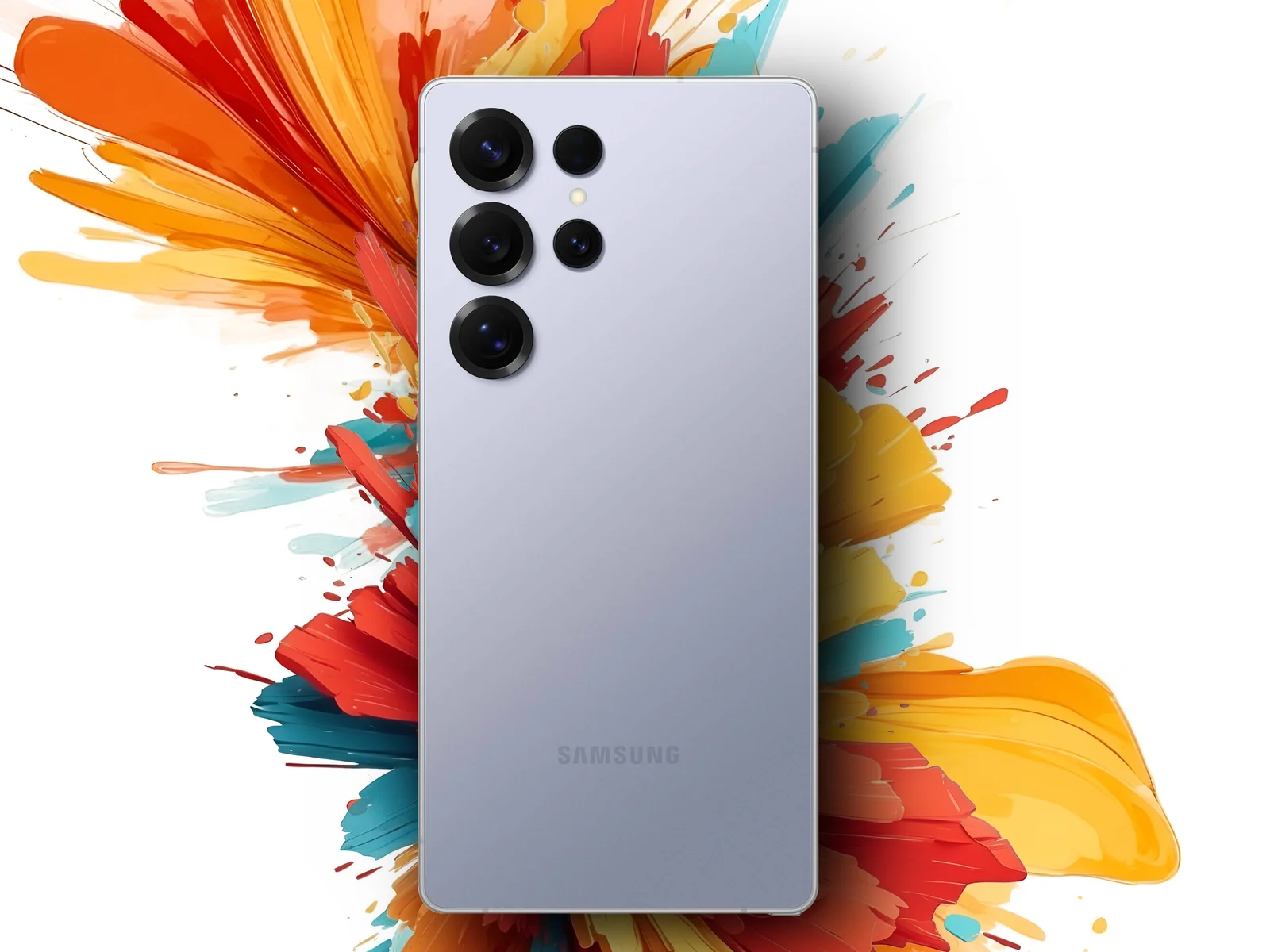
Notebookcheck reports that the Galaxy S26 Ultra uses an 8-bit Dynamic AMOLED panel rather than a true 10-bit display, despite early media hype; speculation about Frame Rate Control existed, but Samsung reportedly confirmed the 8-bit panel, a move that could keep costs down and leaves the device behind the iPhone 17 Pro Max with its 10-bit OLED panels.
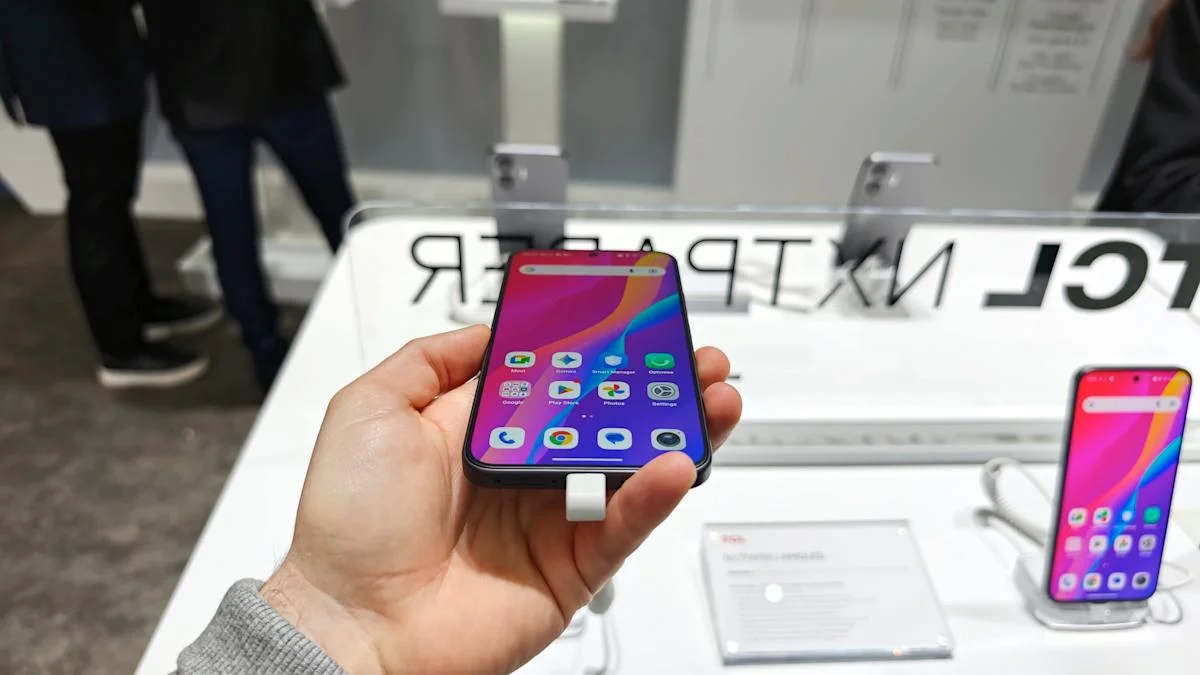
TCL is upgrading its glare-free NXTPAPER displays by adopting AMOLED technology to boost brightness, outdoor performance, and color while preserving eye-friendly benefits. The AMOLED NXTPAPER aims for up to 3,200 nits brightness, 120Hz refresh, full color gamut, and blue-light reduction as low as 2.9%. Demonstrations at CES and plans to launch an AMOLED NXTPAPER smartphone by year-end are in motion, with MWC 2026 coverage ongoing but no device announced yet.
Samsung Display's mobile panels might transition to using blue PHOLED (Phosphorescent OLED) in the second half of 2025, replacing the current blue fluorescent materials used in their AMOLED displays. While initially predicted for mid-2024, the development of blue phosphorescent material seems to be facing challenges. The Galaxy Z Fold 7 and Galaxy Z Flip 7 foldable phones could potentially be the first to benefit from this technology, but durability concerns may prevent its mainstream adoption. Blue PHOLEDs offer higher luminous efficiency and reduced power consumption, but their lifespan is currently lower compared to blue fluorescent materials. Despite the challenges, Samsung Display is expected to continue developing blue PHOLEDs to become the first manufacturer capable of mass-producing AMOLED panels with blue phosphorescent pixels.
Japanese hardware firm Tassei Denki showcased a hardware prototype at the Tokyo Game Show, featuring a new concept for the Nintendo 3DS. The prototype includes a 6-inch AMOLED display with a 90Hz refresh rate and is powered by Ryzen. While not endorsed by Nintendo, the concept demonstrates Tassei Denki's technological capabilities. The company also showcased a Sega Saturn Mini that utilizes FPGA technology. It remains to be seen if third-party 3DS consoles will be released in the future.
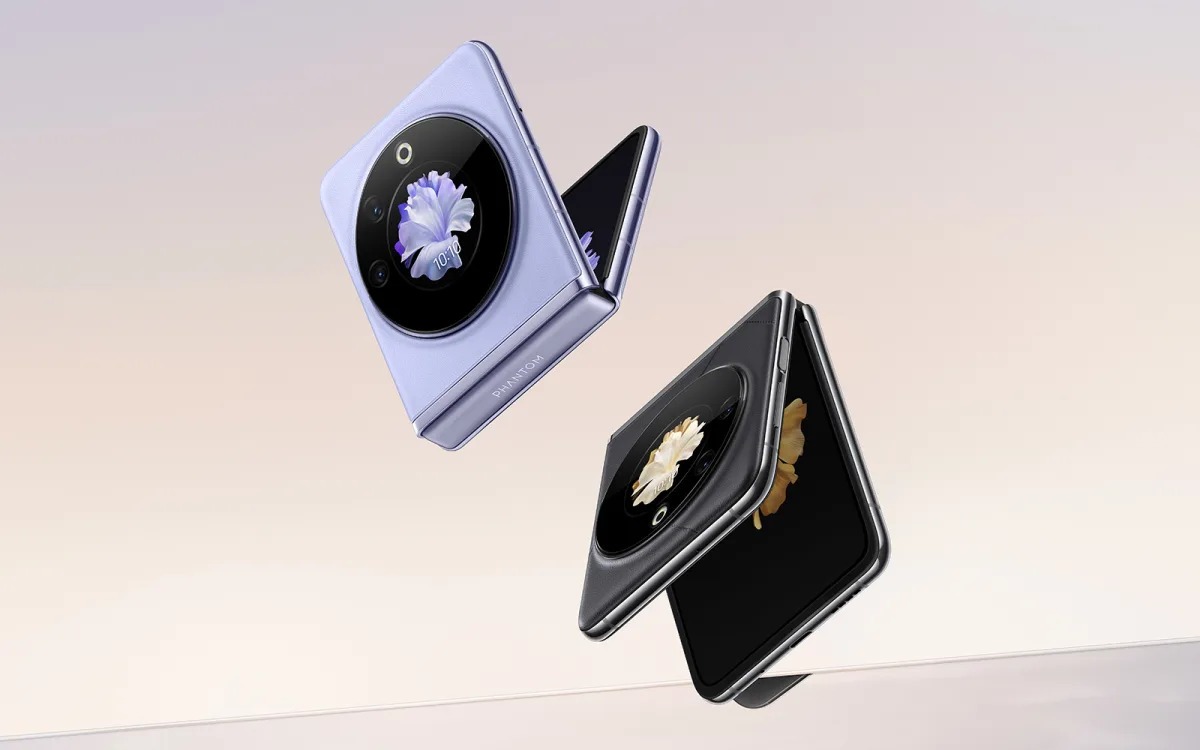
Tecno has unveiled its first flip phone, the Phantom V Flip 5G, featuring a round external AMOLED display. Priced at around $600, the device is powered by MediaTek's Dimensity 8050 5G chip and offers a 6.9-inch FHD+ flexible screen on the inside. It boasts a 64-megapixel main camera, a 13-megapixel ultra-wide camera, and a 32-megapixel punch-hole selfie camera. The phone comes with a protective case and supports 45W fast charging. While initially available in India, Tecno aims to expand to other markets.