Tag

Ancient Medicine

All articles tagged with #ancient medicine

Birch Tar: Neanderthals’ Primitive Antibiotic Found on Tools
science21 days ago

Birch Tar: Neanderthals’ Primitive Antibiotic Found on Tools

New research suggests Neanderthals produced birch tar (a process dating back to about 200,000 years ago) and used it as a primitive antiseptic, with lab tests showing the tar killed Staphylococcus aureus while largely sparing E. coli. Dental plaque analyses also indicate Neanderthals sought out medicinal plants like chamomile and yarrow, implying a sophisticated medical culture and care for wounds that could inform modern therapeutics as antibiotic resistance grows.
Roman Medicine Revealed: Feces and Thyme Found in 1,900-Year-Old Vial
science2 months ago

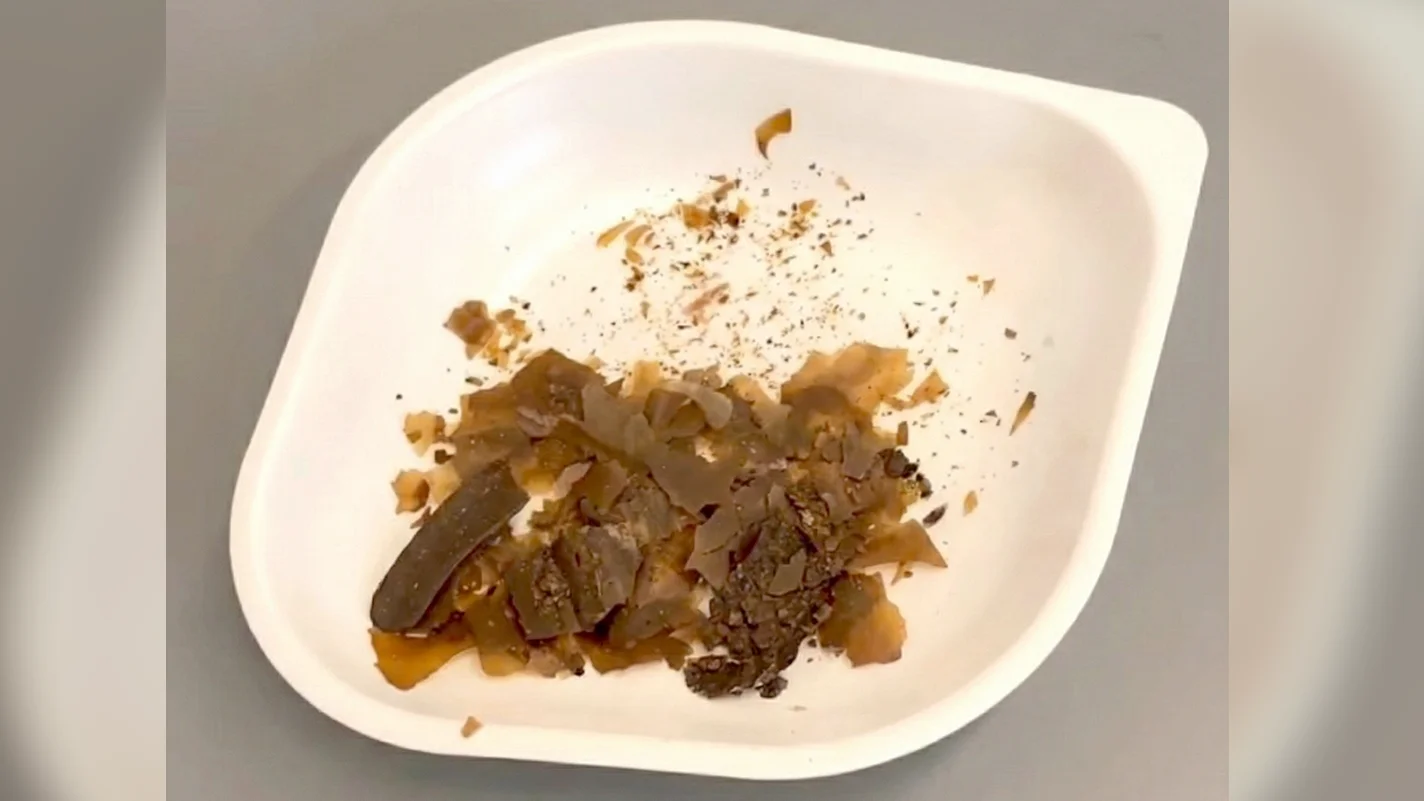
Roman Medicine Revealed: Feces and Thyme Found in 1,900-Year-Old Vial

A chemical analysis of residues inside a 1,900-year-old Roman glass vial from Pergamon found biomarkers of human feces (coprostanol) and thyme-derived carvacrol, providing the first direct evidence that Greco-Roman medicine used fecal material and masked its odor with aromatic herbs. The study suggests the preparation was likely used to treat inflammation or infection and aligns with Galen’s historical descriptions; the fecal source appears to be human based on compound ratios, offering new insight into ancient therapeutic practices.

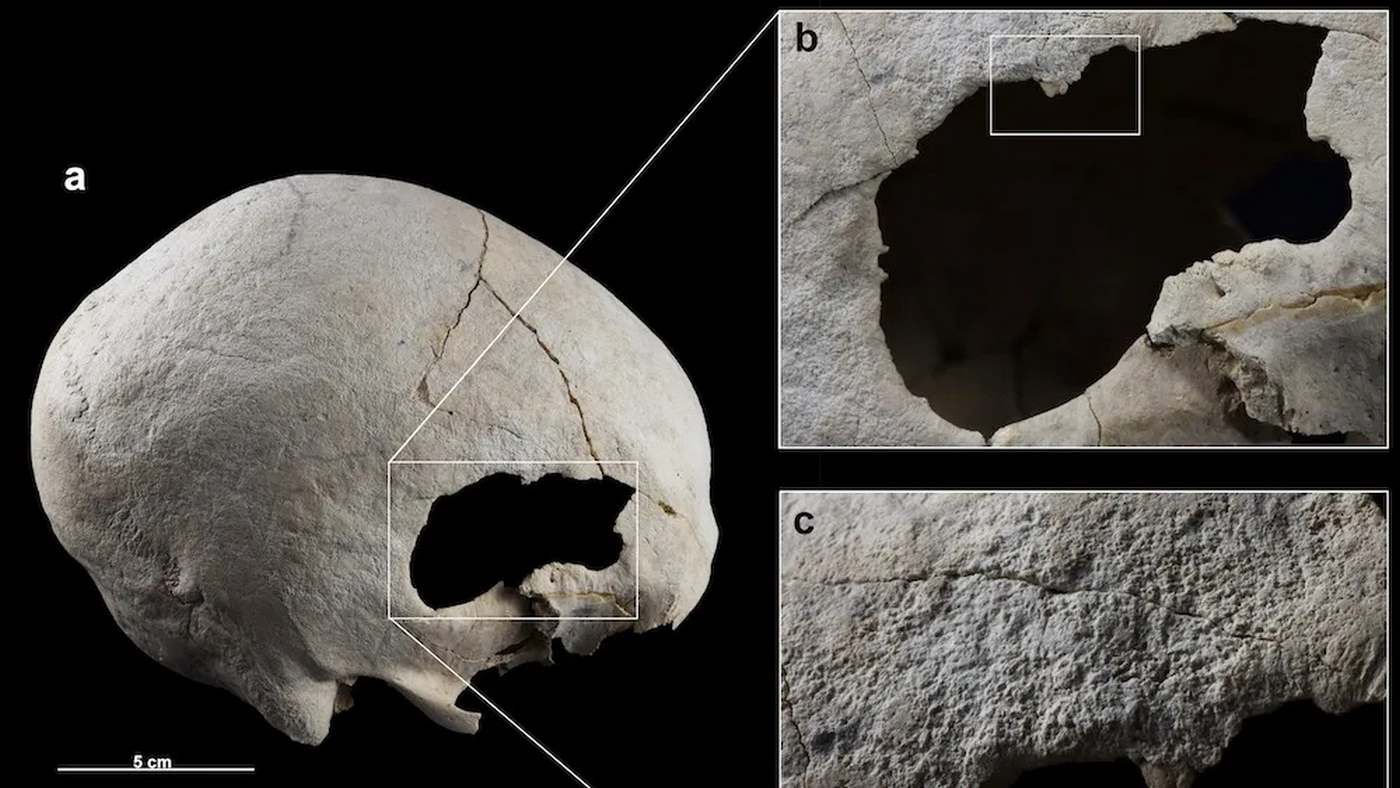
Ancient Woman's Remarkable Survival: Two Successful Head Surgeries Millennia Ago
archaeologyhistory2 years ago

Ancient Woman's Remarkable Survival: Two Successful Head Surgeries Millennia Ago

Archaeological remains from Spain have revealed that a woman from the late Neolithic/early Copper Age underwent two cranial surgeries during her adult life. The trepanations, or surgical entries into the cranium, were expertly made and aimed to access the outermost layer of tissue surrounding the brain and spinal cord. The surgeries were not the result of violence or ritual cannibalism, as the areas around the trepanations were clean, and the woman lived for months after the second procedure. This discovery showcases the medical knowledge and value placed on life in primitive societies during that time.