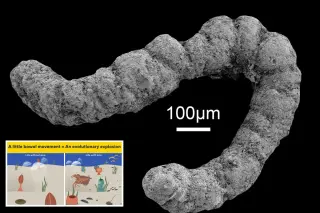
A new study argues that fossilized poop (coprolites) played a key role in the Cambrian Explosion by boosting nutrient cycling and stimulating more complex digestive systems, leading to faster diversification of life about 540 million years ago.
Researchers propose that a gradual, ocean-wide buildup of fecal matter redistributed nutrients, spurring the evolution of complex digestive systems and creating a feedback loop where more life produced more poop, contributing to the Cambrian Explosion.
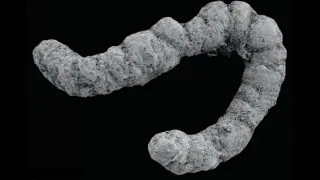
A new review in Trends in Ecology & Evolution suggests that a fecal revolution—waste from expanding early animal life—could have accelerated the Cambrian explosion by increasing nutrient flux in oceans, supporting the growth of more complex guts and a burst of biodiversity. Fossilized feces (coprolites) from the Cambrian show increasing size and complexity as life diversified, indicating that waste management and nutrient recycling helped create conditions for modern ecosystems alongside other factors like oxygen and nutrients.
A Nature Communications study by Mehdi Habibi, Neil Ribe, and Daniel Bonn shows lugworms defecate against gravity and produce a constant-width poop coil that follows elastic rope-coiling physics, revealing universal patterns in fecal morphology and linking Darwin’s worm-focused work to broader functional morphology and soil fertility, with researchers even planning a second poop emoji for Unicode.
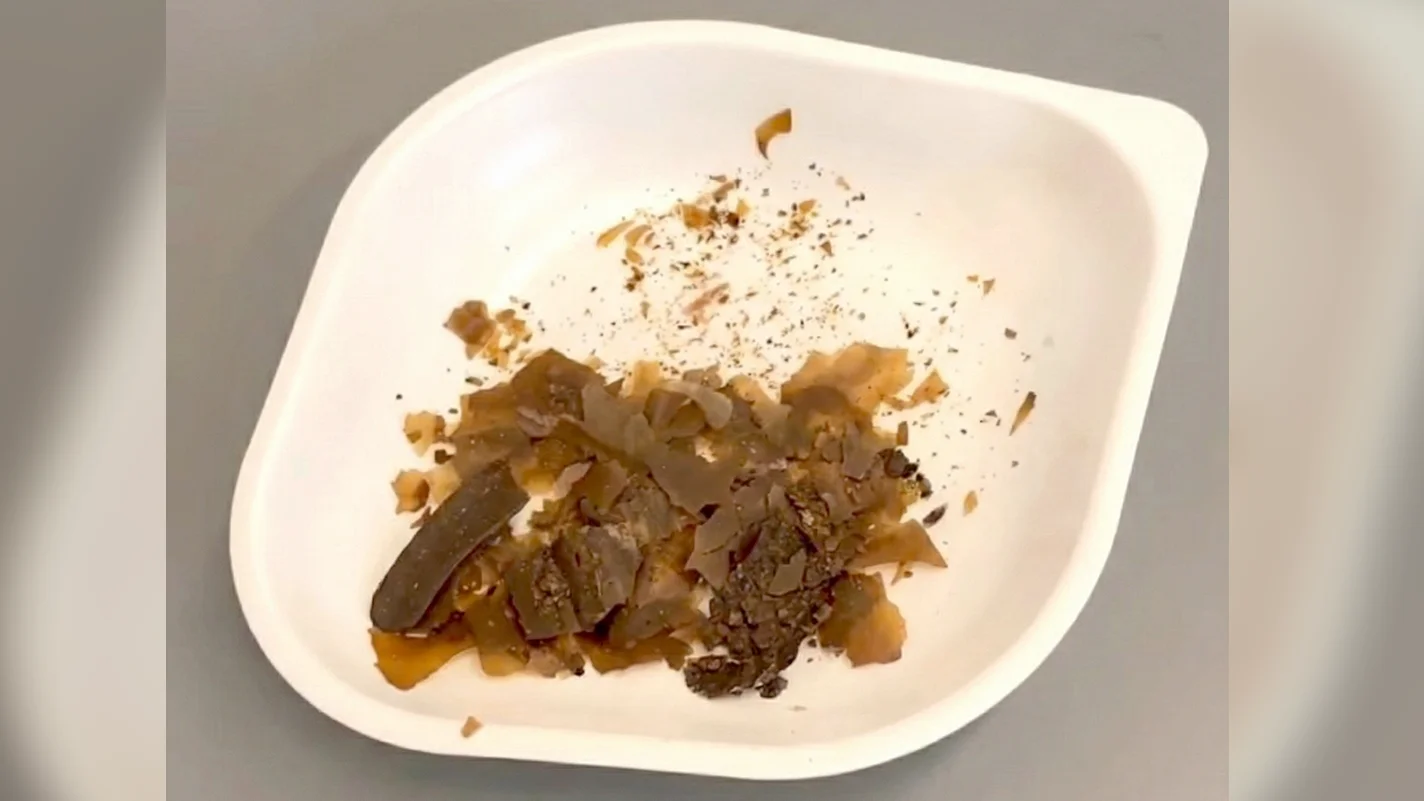
A chemical analysis of residues inside a 1,900-year-old Roman glass vial from Pergamon found biomarkers of human feces (coprostanol) and thyme-derived carvacrol, providing the first direct evidence that Greco-Roman medicine used fecal material and masked its odor with aromatic herbs. The study suggests the preparation was likely used to treat inflammation or infection and aligns with Galen’s historical descriptions; the fecal source appears to be human based on compound ratios, offering new insight into ancient therapeutic practices.
The unpleasant smell of poop is due to the release of byproducts of digestion, including compounds like skatole produced by bacteria breaking down amino acids in the gastrointestinal tract. Factors such as dietary patterns, alcohol intake, and certain foods can affect the odor of stool. Changes in smell may be temporary due to diet or medication, but persistently foul odors could indicate underlying health issues such as malabsorption diseases or infections, warranting a visit to a healthcare provider.
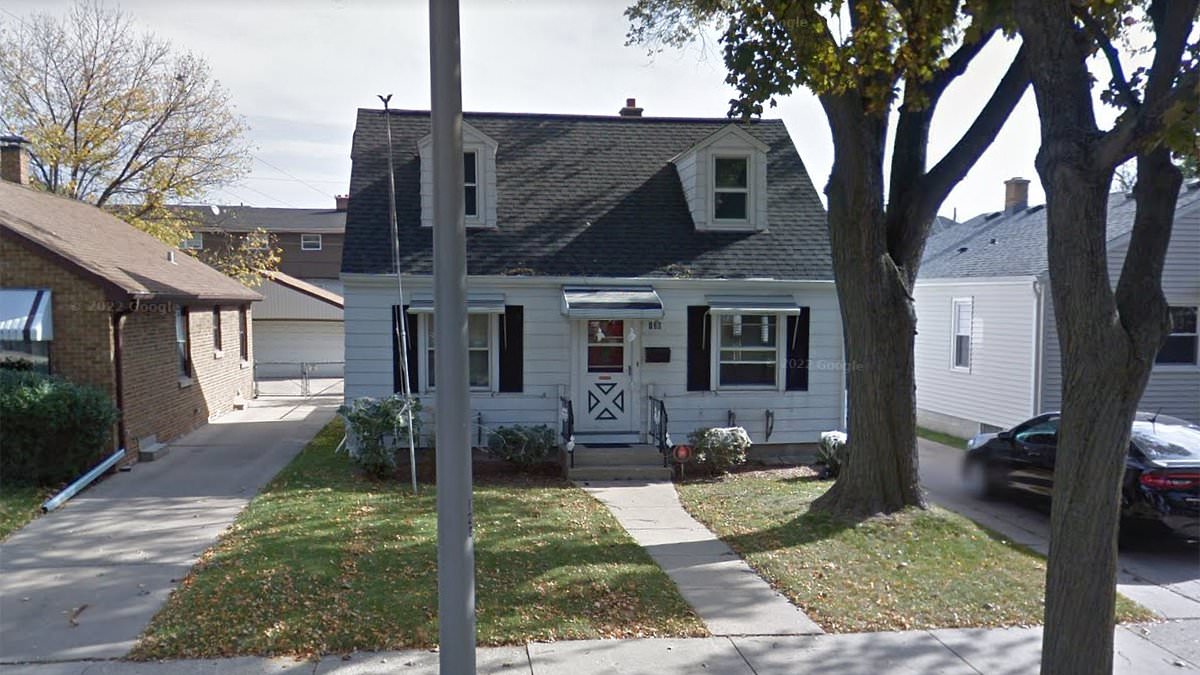
A police report reveals the horrifying conditions inside a Milwaukee home where two boys, aged seven and nine, were locked in a windowless bedroom covered in feces. The house was described as a "house of horrors" with stacks of garbage, insects crawling around, and a terrible odor. The boys escaped naked and bedraggled by smashing a window. The parents, Katie Koch and Joel Manke, were arrested and face multiple charges. The children appeared to have been living in squalor for years, lacking basic care and medical attention. If convicted, the parents could face lengthy prison terms and substantial fines.