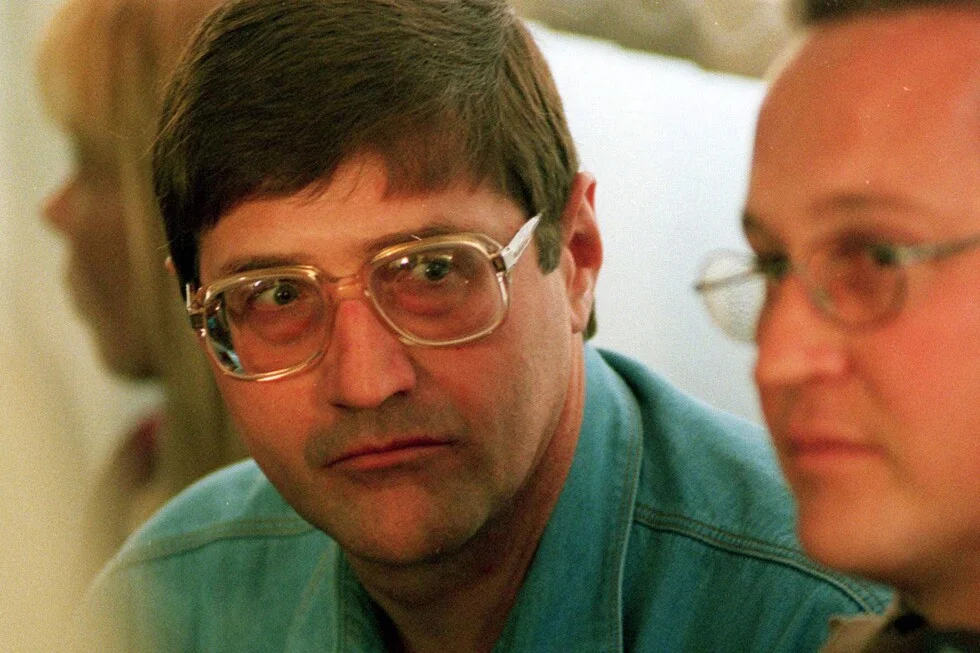
Eugene de Kock, head of a covert South African police unit blamed for torturing and killing dozens of anti-apartheid activists, testified at a Truth and Reconciliation Commission amnesty hearing in Pretoria, detailing past abuses.
South Africa summoned the new US ambassador, Leo Bozell III, after he called the anti-apartheid chant 'Kill The Boer' undiplomatic and questioned a court ruling; he later apologized and expressed willingness to work constructively. The SA government issued a demarche, signaling diplomatic friction as US–South Africa ties face broader tensions over trade and policy.
California Gov. Gavin Newsom called Israel an 'apartheid state' and suggested the United States should consider rethinking its military support, a stance he voiced while promoting his memoir and navigating Democratic debates over Israel policy ahead of a potential 2028 presidential bid.
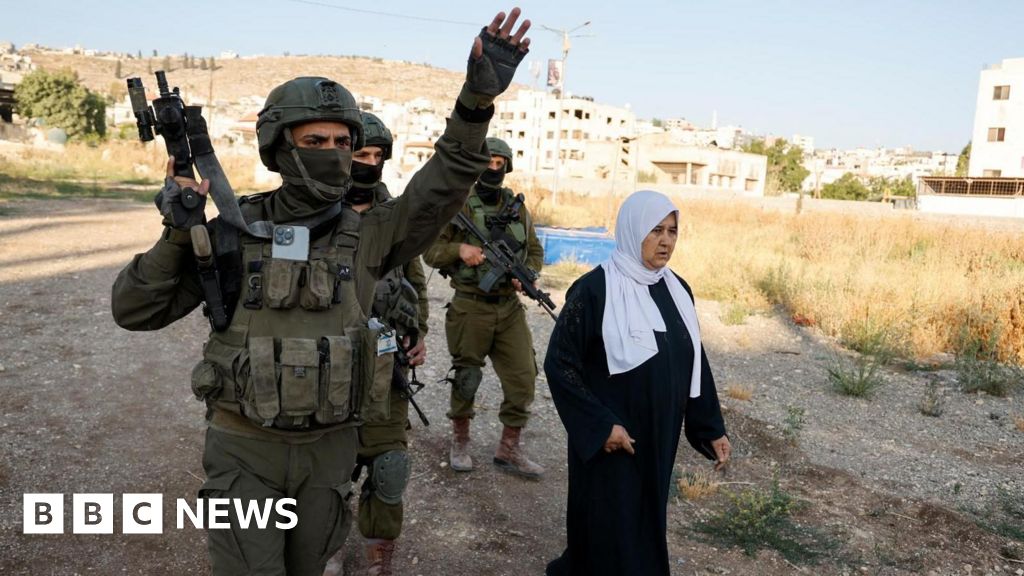
The UN rights chief has accused Israel of systemic discrimination against Palestinians in the West Bank, comparing its policies to apartheid, citing legal segregation, land confiscation, and unequal treatment, with the situation worsening since 2022 and amid recent settlement expansions.
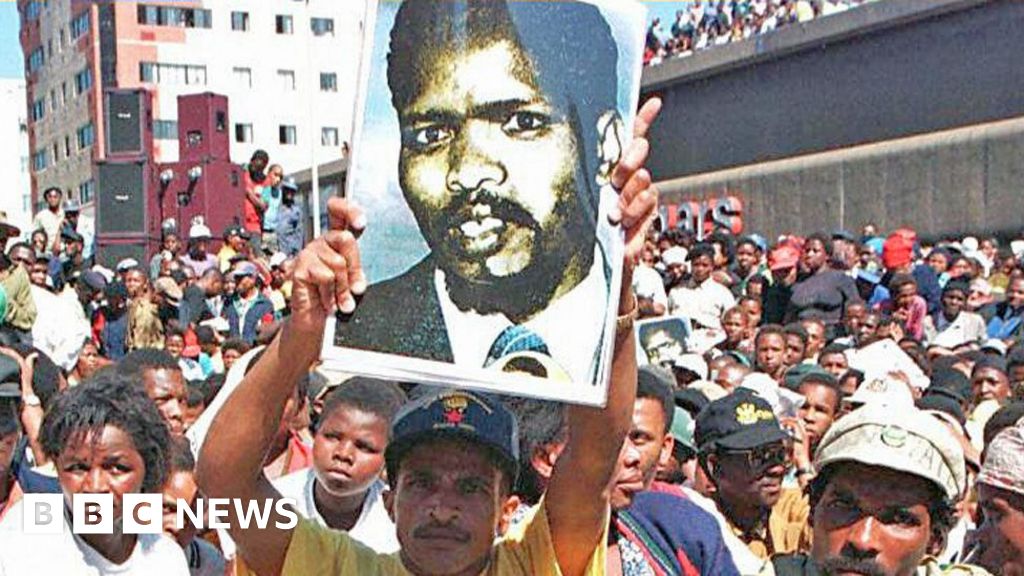
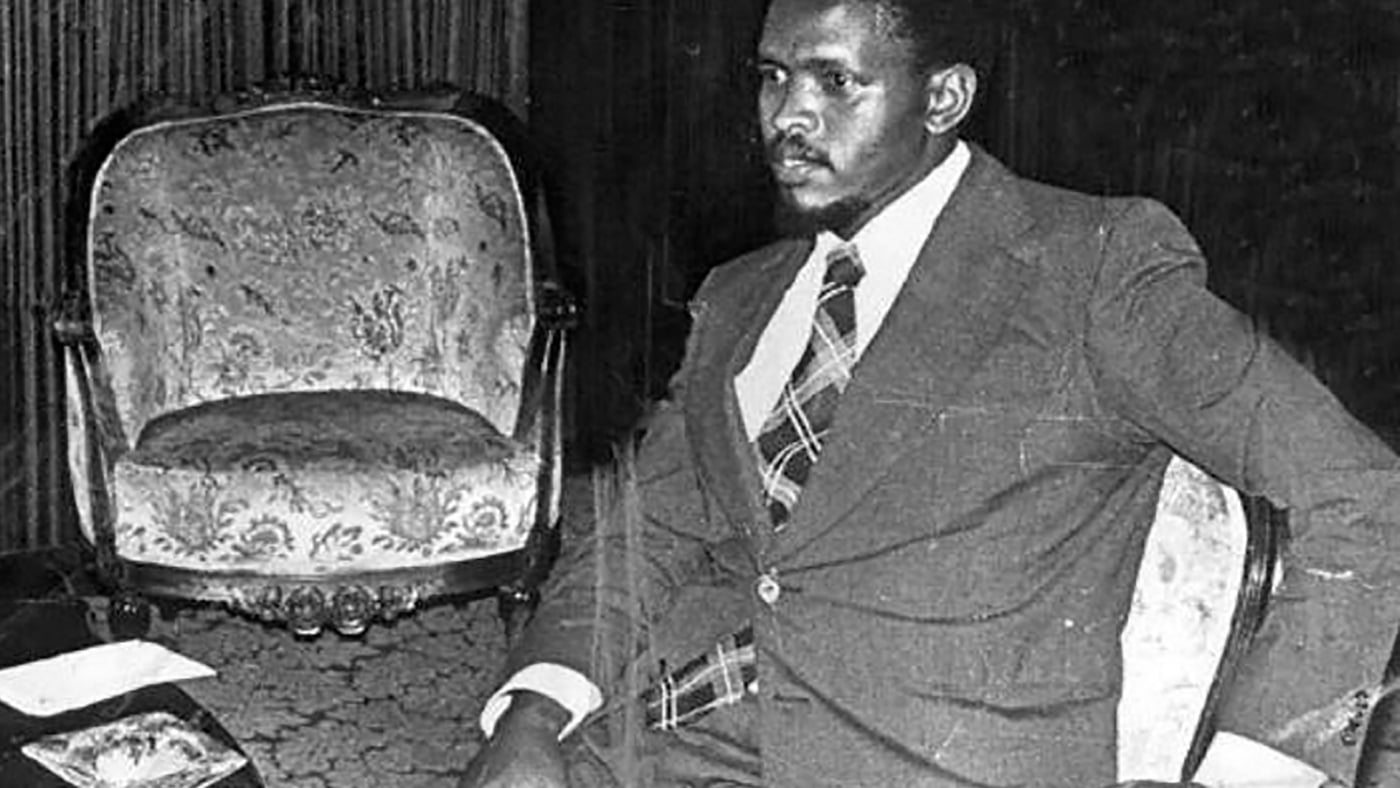
The family of anti-apartheid hero Steve Biko is hopeful that a new inquest into his 1977 death will lead to prosecutions of the police officers involved, addressing unresolved issues of justice for apartheid-era crimes in South Africa.
South Africa is reopening a formal inquest into the death of anti-apartheid leader Steve Biko, who died in police custody 48 years ago, amid ongoing calls for accountability and justice for apartheid-era crimes.
South Africa has reopened the inquest into the 1977 death of anti-apartheid activist Steve Biko, aiming to uncover the truth behind his death and address past atrocities, after decades of official explanations and previous inquiries.
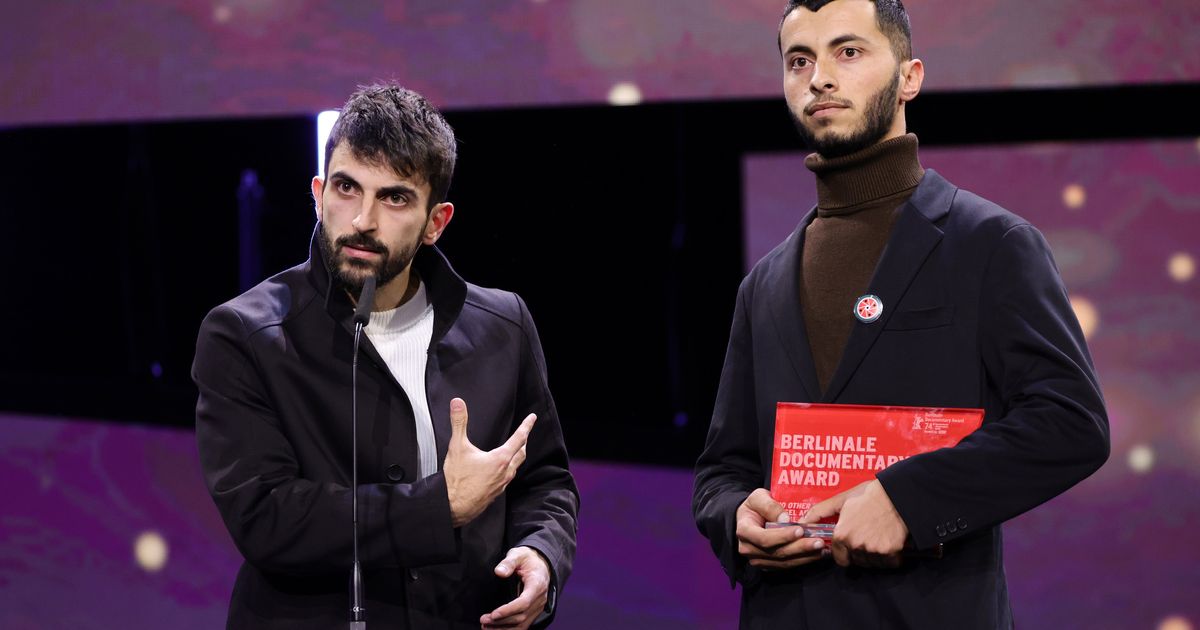
After calling out Israeli "apartheid" during an award speech at the Berlin Film Festival, the co-director of a documentary about the Israeli occupation of the West Bank, Basel Adra, and his co-director Yuval Abraham, faced threats and a visit from a right-wing Israeli mob at Abraham's family home. The remarks sparked a furious reaction, with German authorities investigating the speeches and Israeli media labeling them as antisemitic. The directors' colleagues and regional publications have stood in support, denouncing the campaign against them and highlighting the growing intolerance for hearing hard truths about Israeli apartheid.
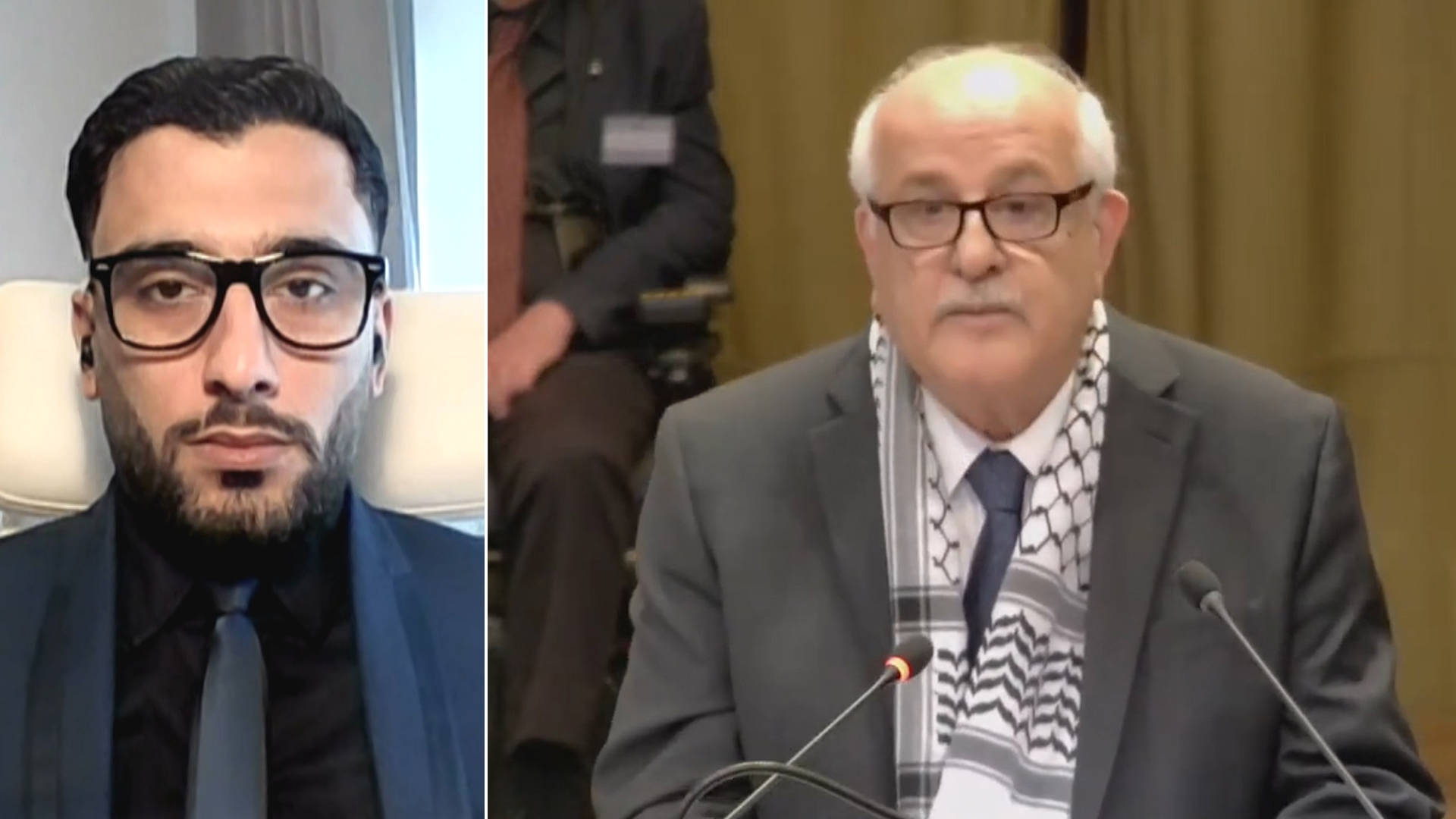
Over 50 countries are testifying against Israel's occupation of the West Bank, East Jerusalem, and Gaza at the International Court of Justice, marking the largest-ever participation in the court's history. The Palestinian Foreign Minister and envoy to the U.N. delivered emotional testimonies, urging the court to guide the international community in upholding international law and achieving a just and lasting peace. The case argues that Israel's occupation violates international law, including the acquisition of territory by force, violations of Palestinian self-determination, and the imposition of a regime of racial discrimination and demographic manipulation. The court's decision is expected to have significant implications for Israel's policies and its allies, including the U.S.
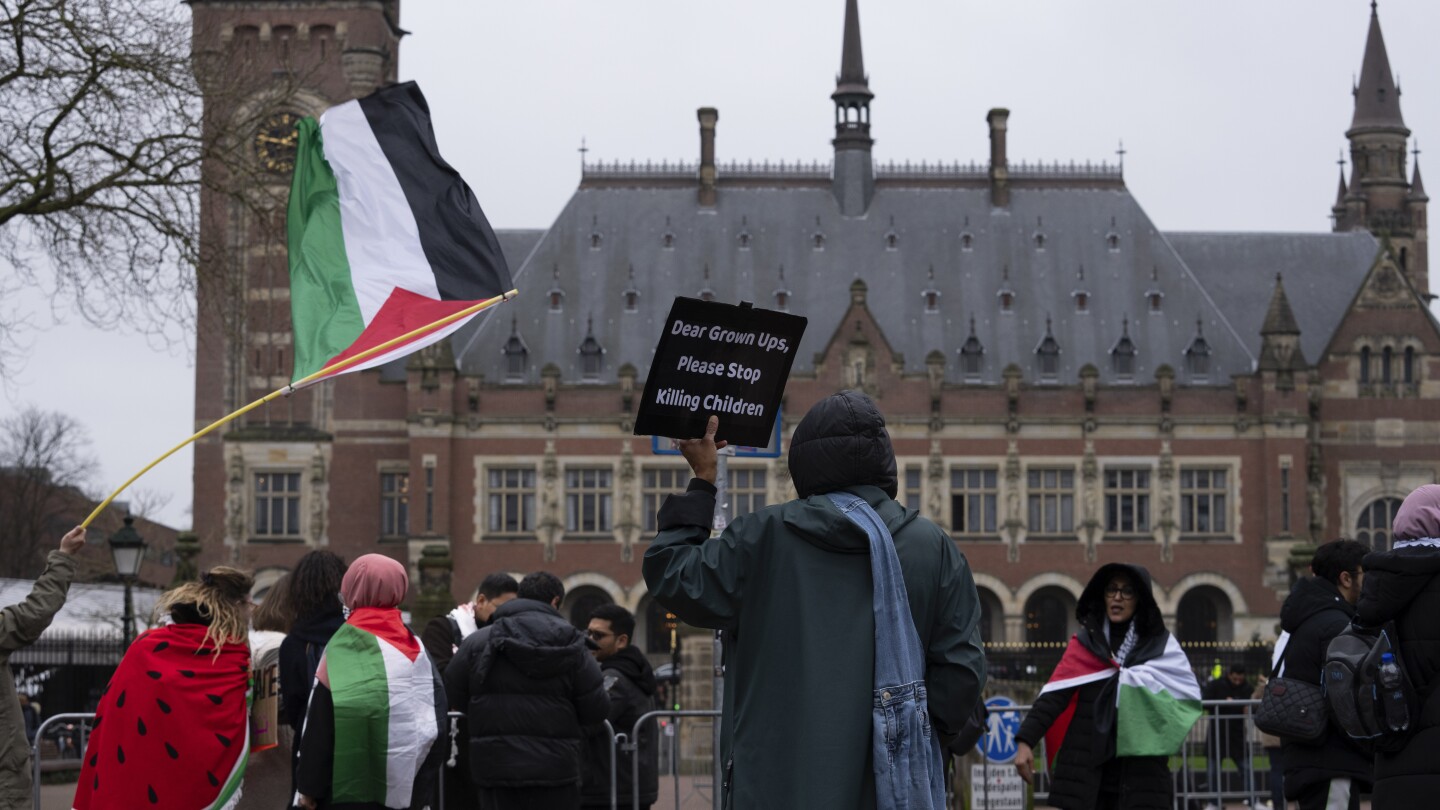
South Africa argues at the International Court of Justice that Israel is responsible for apartheid against Palestinians and that its occupation of Palestinian land is inherently illegal, while Israel rejects the accusations. The hearings come against the backdrop of the war in Gaza, with Israel not making a statement during the proceedings. South Africa and Palestinian representatives argue that Israel's policies violate the prohibition on territorial conquest and the Palestinians' right to self-determination, and impose a system of racial discrimination and apartheid. Israel rejects the allegations and considers the discussions at the court to be part of the Palestinian attempt to dictate political results without negotiations.
Palestine's representatives are urging the International Court of Justice to order an end to Israel's occupation of Palestinian territories and the system of apartheid enforced by Israel, with hearings set to last through February 26. The case, separate from the genocide case by South Africa against Israel, aims to determine the legal consequences of Israel's decades-long occupation of Palestinian territories. After the hearings, the judges are expected to take several months to deliberate before issuing an advisory opinion.
Palestinians living in the occupied West Bank express their fears and frustrations about life under what many rights organizations have classified as apartheid, with individuals from various professions sharing their experiences and concerns, including the challenges of providing for their families and the unfolding Israeli annexation plan in the region's most fertile area.
Pennsylvania senator John Fetterman criticized South Africa for bringing a case of genocide against Israel at the International Court of Justice, suggesting that South Africa should focus on humanitarian crises in its own continent. South Africa's justice minister cited the country's history of apartheid as the reason for bringing the case, while human rights organizations have also drawn comparisons between apartheid South Africa and the situation in the occupied Palestinian Territories. The case against Israel was brought by South Africa’s ruling party, the African National Congress, and alleges genocidal intent in Israel's actions in Gaza. Israel has fiercely rejected the charge of genocide and apartheid, with President Isaac Herzog describing the comparisons as a "blood libel." Senator Fetterman has emerged as a staunch advocate for Israel in the wake of the Hamas attack, rejecting calls for a ceasefire and emphasizing support for Israel's efforts to eliminate Hamas terrorists.
South Africa's legal action against Israel at the International Court of Justice, accusing it of genocide and war crimes in Gaza, has sparked denouncement from Israel and Jewish organizations in South Africa. The deteriorating relations between the two countries are rooted in the ANC's support for the Palestinian cause and the historical military alliance between apartheid-era South Africa and Israel. The lawsuit reflects South Africa's deep-seated criticism of Israel's treatment of Palestinians, with the ANC's support for the Palestinian struggle seen as closely linked to the South African struggle against apartheid. The case is expected to strengthen South Africa's standing among allies, despite criticism from some parts of the Jewish community.
Renowned South African photojournalist Peter Magubane, who documented the brutality of apartheid for over 40 years, has passed away at 91. Despite facing harassment, assault, and imprisonment, he captured pivotal moments like the Sharpeville massacre and the Soweto uprising. His work played a crucial role in the fight against racial oppression, and he was later appointed as Nelson Mandela's official photographer. His images, which highlighted both the violence and the everyday life under apartheid, have left a lasting impact on the world's understanding of South Africa's history.