Tag

Apogee

All articles tagged with #apogee

This Weekend’s Blue Moon Won’t Look Blue, But It Will Be May’s Second Full Moon
space1 month ago

This Weekend’s Blue Moon Won’t Look Blue, But It Will Be May’s Second Full Moon

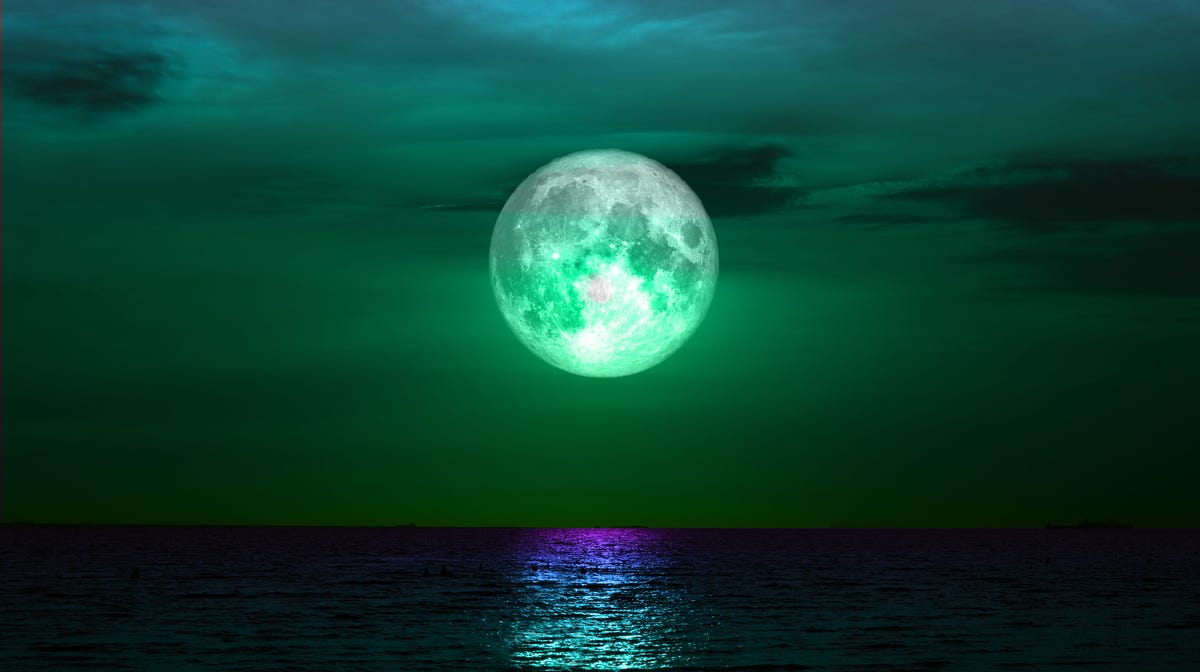
A true blue moon—the second full moon in May—will light the sky this weekend, peaking around 4:45 a.m. ET Sunday; it won’t look blue to the naked eye. The moon will be near apogee, creating a micromoon and sitting about 252,334 miles from Earth, so it may appear slightly smaller, though the change is hardly noticeable. In the Americas, the full Moon is most prominent late May 30 (into May 31 elsewhere). A calendrical blue moon occurs roughly every two to three years, and the term comes from historic almanacs; a true blue tint is rare (as after Krakatoa in 1883). The next calendrical blue moon isn’t until 2037.
"2024's Smallest Full Moon: When and Where to See February's Snow Moon"
astronomy2 years ago

"2024's Smallest Full Moon: When and Where to See February's Snow Moon"

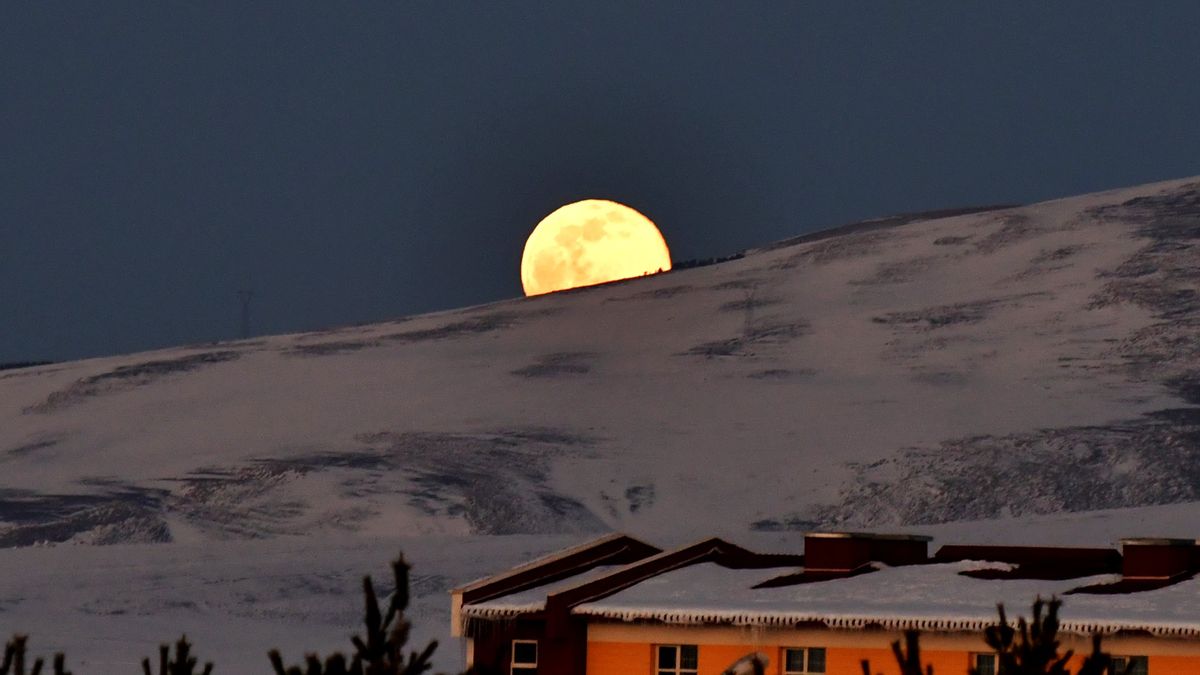
February's Full Snow Moon, the smallest full moon of 2024, will appear up to 10% smaller in the night sky as it coincides with the moon's farthest point from Earth in its orbit, known as apogee. This month's full moon will rise around 6:30 p.m. local time in the east, reaching its highest point around midnight. The moon's elliptical orbit causes its distance from Earth to fluctuate, resulting in variations in its apparent size. While not officially recognized terms, full moons at perigee are called "supermoons," appearing up to 14% larger and brighter, while those at apogee are referred to as "micromoons." The Full Snow Moon gets its name from its occurrence in the midst of winter for the Northern Hemisphere, and it holds cultural significance in various traditions and celebrations around the world.

Double the Supermoons: August's Rare Blue Moon and Sturgeon Supermoons Explained
astronomy3 years ago

Double the Supermoons: August's Rare Blue Moon and Sturgeon Supermoons Explained

August will feature two supermoons and a rare blue moon. Supermoons occur when the moon is closest to the Earth, appearing larger and brighter than usual. The first supermoon, known as the Sturgeon Moon, will occur on August 1st. The second supermoon, also a blue moon, will take place on August 30th. A blue moon happens when two full moons occur in the same month. These celestial events offer stargazers and astronomers a chance to witness the beauty of the night sky.