
Indole Metabolites and AhR Signaling Offer New Route to Combat Adolescent Depression
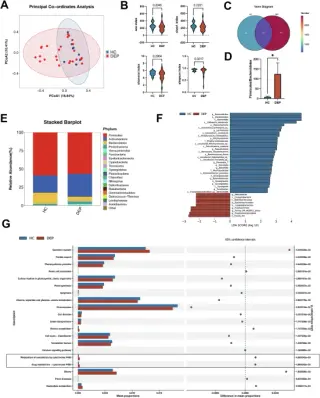
Study links reduced microbiota-derived indole metabolites in unmedicated depressed adolescents and CRS-stressed mice to depressive behaviors; supplementing tryptophan or indole derivatives activates AhR signaling, balancing anti- and pro-inflammatory factors, normalizing microglial activation, and promoting hippocampal neurogenesis, thereby alleviating depression-like symptoms. AhR is essential for these effects, suggesting indole-AhR axis as a potential therapeutic target for adolescent depression.