Tag

Gut Microbiota

All articles tagged with #gut microbiota

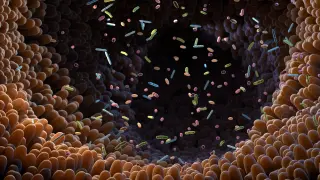
Gut microbes convert veggie nitrates into heart-protecting molecules
health-and-medicine1 day ago

Gut microbes convert veggie nitrates into heart-protecting molecules

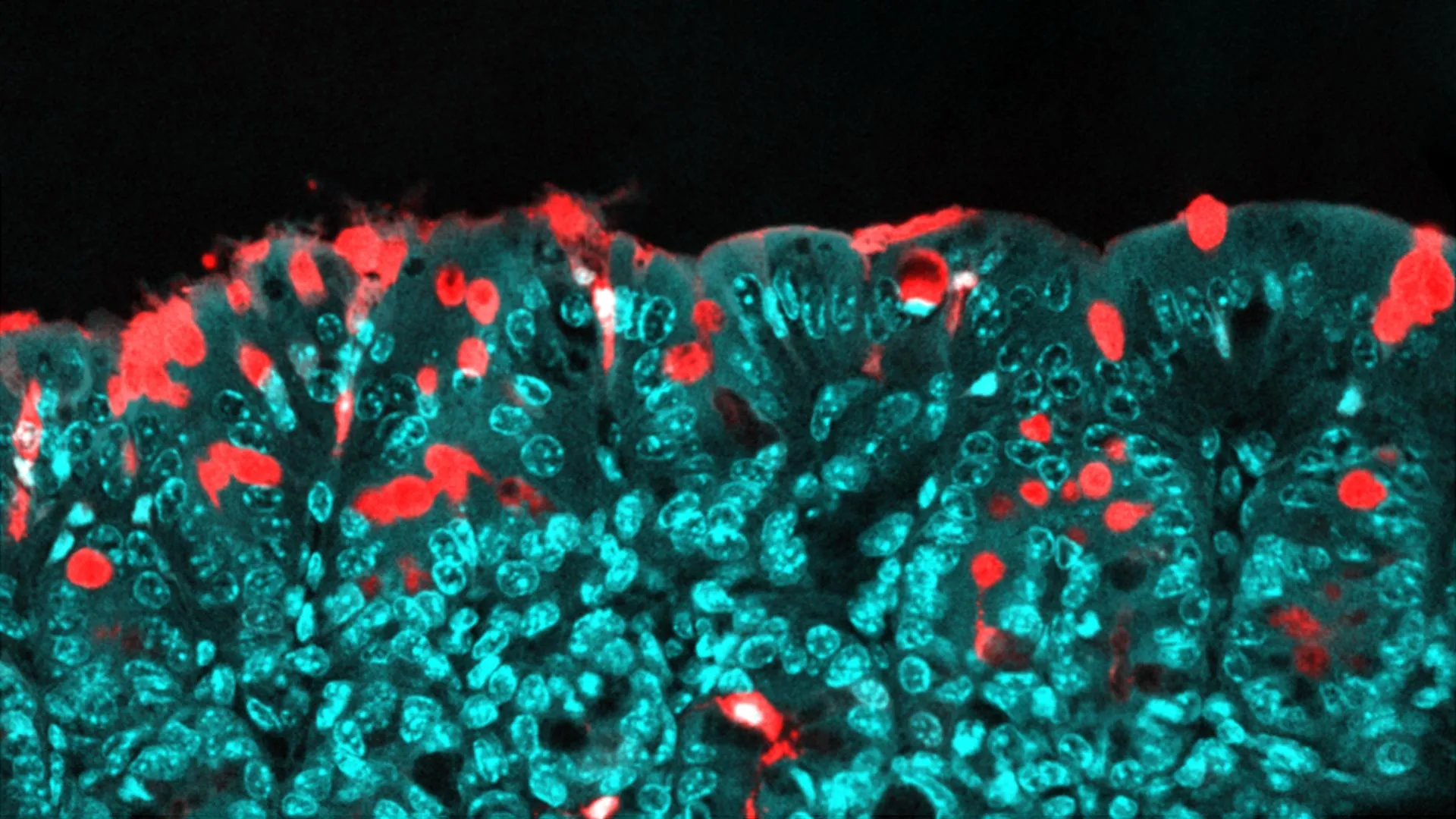
Researchers show gut bacteria transform nitrate and plant-based iron from vegetables into dinitrosyl iron complexes (DNICs) that travel to the liver and kidneys; in animal models, higher DNIC levels were linked to lower blood pressure, better blood sugar control, improved vascular function, and reduced liver fat, offering a possible mechanism for vegetables' protective effects—though human studies are needed.

Untangling the Gluten-Driven Chain Reaction Behind Celiac Gut Damage
science25 days ago

Untangling the Gluten-Driven Chain Reaction Behind Celiac Gut Damage

A comprehensive review of 100+ studies maps how genetic risk, the TG2 enzyme, immune cells (including intraepithelial lymphocytes), stromal cell signals, and gut bacteria interact to amplify gluten-triggered immune damage to the gut lining. This multi-factor cascade helps explain why only some genetically predisposed people develop celiac disease and could guide future therapies beyond a gluten-free diet.

Gut-derived SCFAs: fiber fermentation as a driver of metabolic regulation
science27 days ago

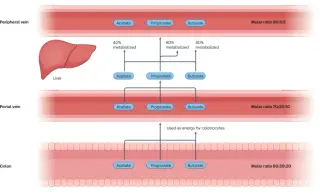
Gut-derived SCFAs: fiber fermentation as a driver of metabolic regulation

SCFAs (acetate, propionate, butyrate) are produced by gut microbes from non-digestible carbohydrates and serve as both energy substrates and signaling molecules. They influence metabolism, immune function, and tissue homeostasis across organs via receptor-mediated signaling and epigenetic mechanisms. Production is shaped by microbiome composition, cross-feeding, and dietary fiber, and the review synthesizes how SCFAs impact health and disease and how diet or therapies might target SCFA pathways for metabolic health.

Chronic Xanthan Gum Exposure Linked to Rat Gut Inflammation
science1 month ago

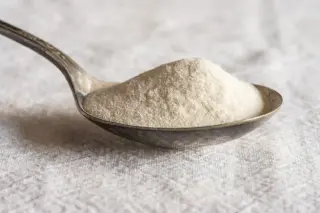
Chronic Xanthan Gum Exposure Linked to Rat Gut Inflammation

A UNIFESP study in rats shows ten weeks of xanthan gum intake triggers colon inflammation, alters gut microbiota toward dysbiosis, and weakens the intestinal barrier by upregulating Claudin-2. The findings raise concerns about daily consumption of this common thickener in ultra-processed foods and dysphagia products, though occasional use may be safe. The authors call for human translational research, gut-health monitoring, and probiotic strategies, noting historical links to infant necrotizing enterocolitis and regulatory caution.

New gut-brain framework links microbes, nerves to constipation
science1 month ago

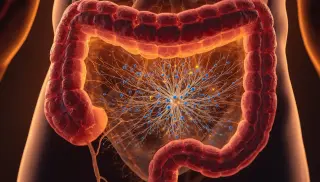
New gut-brain framework links microbes, nerves to constipation

Researchers propose a Trigger–Gateway–Hub–Effector framework showing how gut dysbiosis and microbiota-derived signals may disrupt the intestinal barrier, ENS signaling, and gut motility, contributing to constipation; therapies aiming to rebalance the microbiota, modulate immune or neural responses, or protect enteric neurons—via probiotics, prebiotics, or fecal transplants—are being explored, though human mechanistic data remains limited and evidence is moderate.

Four-Fiber Blend Eases Chronic Constipation in Small Randomized Trial
gastrointestinal-health1 month ago

Four-Fiber Blend Eases Chronic Constipation in Small Randomized Trial

A 54-participant, double-blind study found that a 13 g daily blend of dietary fibers from resistant dextrin, pectins, citrus fiber, and oat fiber improved spontaneous bowel movements and stool form versus placebo over 28 days in adults with functional constipation, with good tolerability; results suggest combined fibers may offer rapid relief, though larger, multicenter trials are needed.

Kissing Couples Exchange Mouth Bacteria, Shaping Gut Microbiomes
science2 months ago

Kissing Couples Exchange Mouth Bacteria, Shaping Gut Microbiomes

A Cell Press Blue study finds romantic partners share mouth bacteria far more than gut bacteria, likely due to kissing, and shows mouth bacteria can seed the gut. Analyzing 1,644 saliva–stool samples from 808 people in 207 households, researchers describe a two-step transmission: bacteria spread between cohabitants, then move from mouth to gut, with some gut strains linked to poorer cardiometabolic health, though causality isn’t established; results are correlational and limited by sequencing data.

Berberine Isn’t a Natural Ozempic; It Modulates the Gut Microbiome
health5 months ago

Berberine Isn’t a Natural Ozempic; It Modulates the Gut Microbiome

A new review says berberine isn’t a universal metabolic fix or a hormone-like drug; it mostly acts in the gut by shaping microbiota, inflammation, and the intestinal barrier, with effects that vary by individual gut ecosystems. Its low bioavailability keeps activity local to the intestine, where microbiota may convert it into active compounds. It should be used under medical supervision due to safety concerns and drug interactions, not as a replacement for prescribed meds.

Potential Brain and Heart Risks Linked to Artificial Sweeteners in Diet Products
health8 months ago

Potential Brain and Heart Risks Linked to Artificial Sweeteners in Diet Products

A Brazilian cohort study suggests that high consumption of non-caloric artificial sweeteners may be associated with accelerated cognitive decline over eight years, raising concerns about their long-term safety despite regulatory approval, with potential mechanisms involving neurotoxicity and gut microbiota alterations.