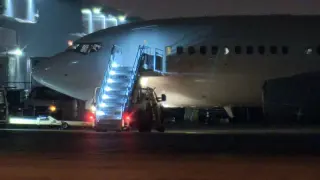
The FAA said JetBlue requested a ground stop at all destinations, a temporary flight halt used in aviation for safety, weather, or operations; JetBlue had no immediate comment, and no further details were provided.
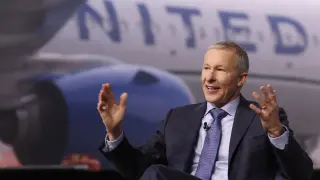
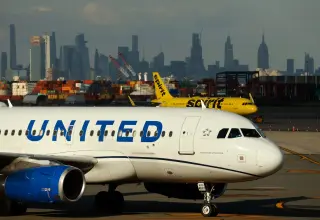
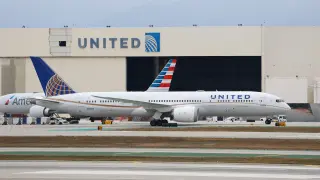
United Airlines CEO Scott Kirby says global travel demand remains robust despite the Middle East crisis and surging oil prices, with bookings up more than 20% recently and Europe leading international demand; fuel costs are likely to be passed to consumers, but demand is expected to stay resilient as the industry heads toward JPMorgan’s Industrials conference, including notable increases in Australia-to-Europe travel.
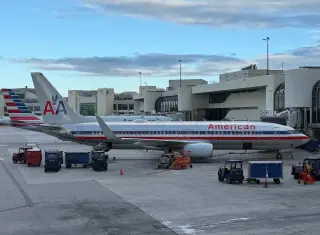
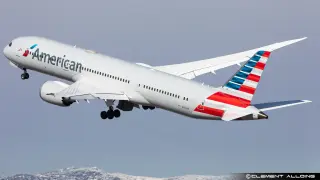
Two major American Airlines unions are pressuring CEO Robert Isom and the board to oust leadership after the carrier posted a modest $0.4 billion profit in 2025 and faced significant weather-related cancellations, including protests outside Fort Worth. While rivals Delta and United posted much larger profits, American is pursuing revenue boosts from paid luxuries and premium services as industry-wide headwinds persist, such as storms and slower aircraft production.
Singapore has introduced its first-ever levy on sustainable aviation fuel to raise funds for SAF development and supply, as the Southeast Asian fuel industry grows and efforts to decarbonize aviation accelerate.
Russia seized and sold Domodedovo airport for about half its asking price, with Sheremetyevo winning the auction at roughly $880 million. The deal highlights a Kremlin-led wave of asset nationalizations amid Western sanctions and a weakened economy, underscoring Russia’s growing international isolation and depressed aviation traffic.
A Jefferies study suggests weight-loss drugs could reduce U.S. airline fuel costs by about $580 million per year by letting passengers weigh less and lightening aircraft loads.
Pakistan's government sold a majority stake in its national airline, PIA, for $482 million to a consortium led by Arif Habib Limited, amid ongoing debates over transparency, military involvement, and the airline's future prospects, as part of a broader effort to privatize loss-making state enterprises under IMF pressure.
The FAA has imposed a near-total ban on private jet flights at 12 major U.S. airports starting November 9, 2025, due to ongoing government shutdown and staffing issues, affecting operations and causing delays across the industry.
Lufthansa plans to cut 4,000 administrative jobs by 2030, leveraging AI and digitalization to improve efficiency, while also restructuring its airline operations and facing opposition from trade unions due to rising costs and policy challenges.
Spirit Airlines, facing potential bankruptcy and uncertain survival beyond 2026, may see its fleet acquired by carriers like Delta, United, or others if it fails, with possible route and asset transfers to companies such as JetBlue, Frontier, Alaska, or Southwest.
Spirit Airlines plans to furlough 270 pilots and downgrade over 100 others as it reduces its flight schedule for the off-season to improve financial stability, following its emergence from bankruptcy and facing softer demand in the airline industry.
Sweden, the birthplace of 'flight shaming' led by Greta Thunberg, has abolished its air tax to revive its struggling aviation sector, a move criticized by environmentalists and seen as a setback for climate efforts. The decision follows economic recession and increased airline activity, with airlines welcoming the change. This U-turn highlights the tension between environmental goals and economic and regional connectivity, amid similar debates in other European countries about taxing or restricting short-haul flights.
Sweden, the birthplace of 'flight shaming' inspired by Greta Thunberg, has abolished its air tax to boost its economy, a move criticized by environmentalists and seen as a setback for climate efforts, while other European countries are implementing or considering similar measures to reduce domestic flights and emissions.
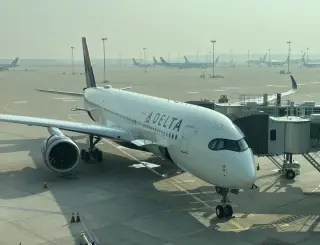
Delta Air Lines warned that tariffs on imported airplanes and parts could force the airline to cancel orders and stop buying foreign-made planes, potentially impacting flights serving 10 million customers annually and harming U.S. aircraft manufacturing. The airline's concerns are part of a broader industry warning about the risks tariffs pose to aviation safety and the supply chain, amid ongoing investigations into national security threats from imported aerospace goods.