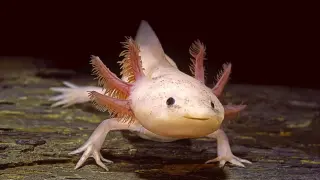
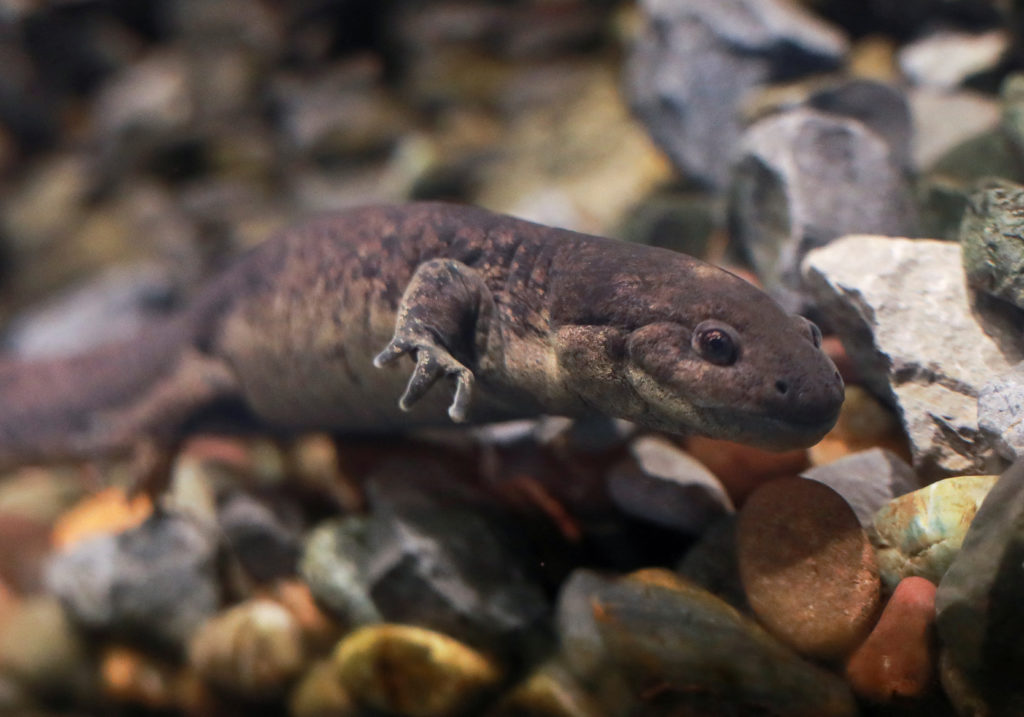
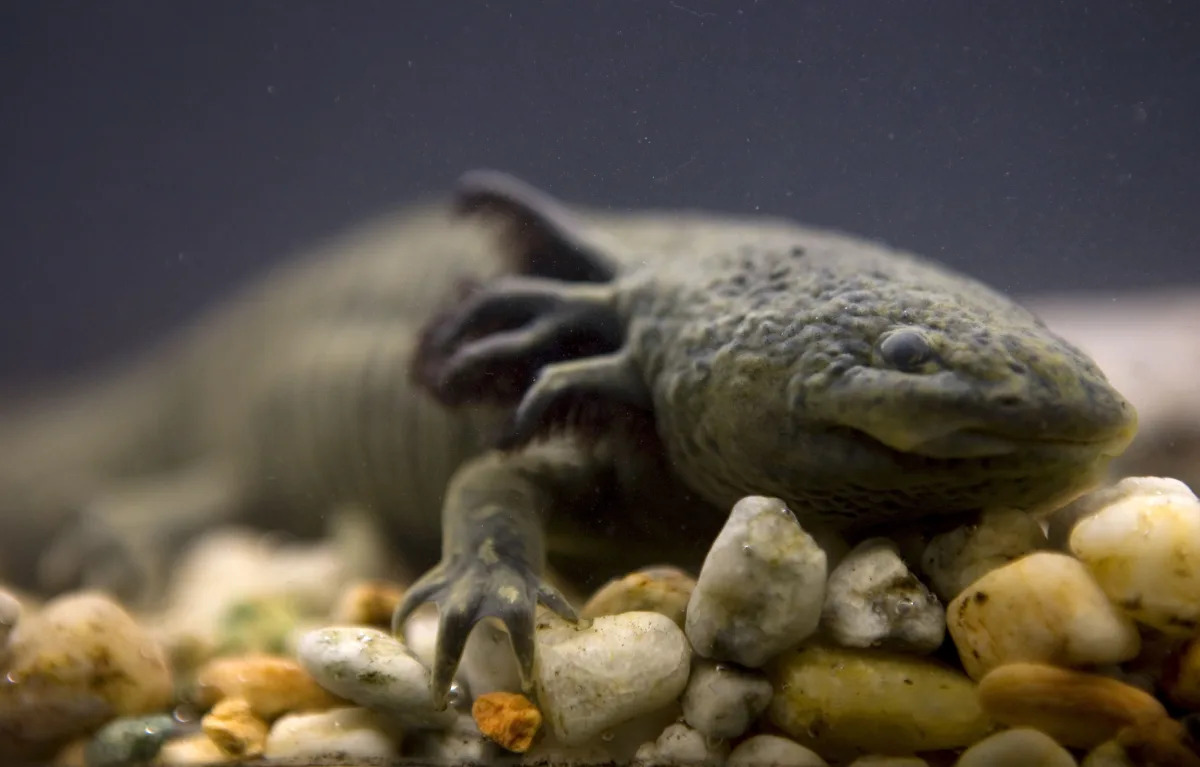
Researchers found that Mexican axolotls can distinguish between opening sizes using non-visual senses, even in total darkness. This suggests they possess basic spatial reasoning capabilities that rely on their lateral line system rather than sight.
Ecologists in Mexico have relaunched the "Adoptaxolotl" campaign to raise funds for the conservation of axolotls, a critically endangered species of salamander. The campaign allows people to virtually adopt an axolotl and receive live updates on its health. The population density of Mexican axolotls has declined by 99.5% in under two decades, primarily due to water pollution, amphibian fungus, and non-native rainbow trout. The campaign aims to support captive breeding programs and habitat restoration efforts. However, there is a lack of resources for comprehensive research and monitoring. The Mexican government recently approved an 11% funding cut for its environment department, exacerbating the challenges faced by conservationists.
Ecologists in Mexico have relaunched the "Adoptaxolotl" campaign to raise funds for the conservation of axolotls, an endangered species of salamander. The campaign allows people to virtually adopt an axolotl and receive live updates on its health. The population density of Mexican axolotls has declined by 99.5% in under two decades due to water pollution, a deadly amphibian fungus, and non-native rainbow trout. Despite their popularity, almost all 18 species of axolotl in Mexico remain critically endangered. The lack of data on their numbers and distribution makes it difficult to prioritize conservation efforts. The Mexican government has recently approved funding cuts for its environment department, further hindering conservation efforts.