WA Magnetite Could Unlock Massive Underground Hydrogen
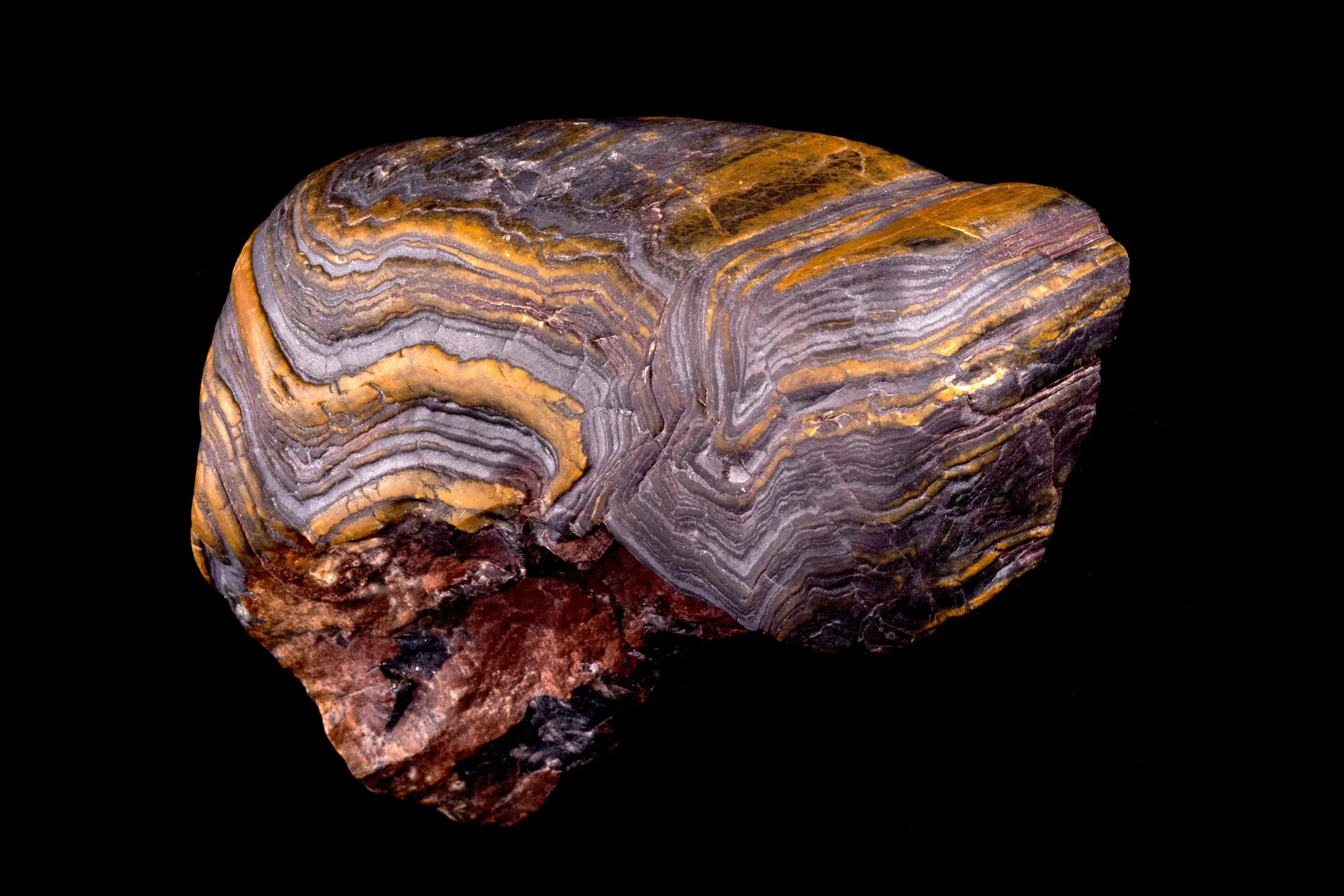
Researchers from Edith Cowan University say magnetite in Western Australia’s Pilbara iron ore could naturally generate hydrogen underground when hot water reacts with it; lab-like conditions and fracture access influence production, and injecting certain solutions could boost output, suggesting a potentially vast clean-energy resource for Australia and future export opportunities.