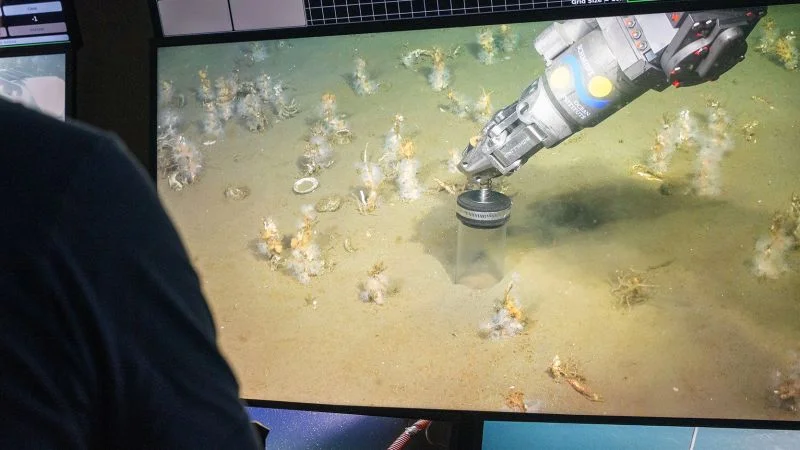
Genome analyses reveal oxygen-tolerant Asgard archaea in shallow coastal sediments, suggesting some ancient ancestors used oxygen before merging with bacteria to form eukaryotes, strengthening the link between rising Earth oxygen and the origin of complex life.
New research suggests that the delayed rise of oxygen in Earth's atmosphere was controlled by the levels of nickel and urea, which initially limited cyanobacterial growth. As these compounds declined, cyanobacteria proliferated, releasing oxygen and triggering the Great Oxidation Event, a key step in making Earth habitable and providing insights for life beyond Earth.
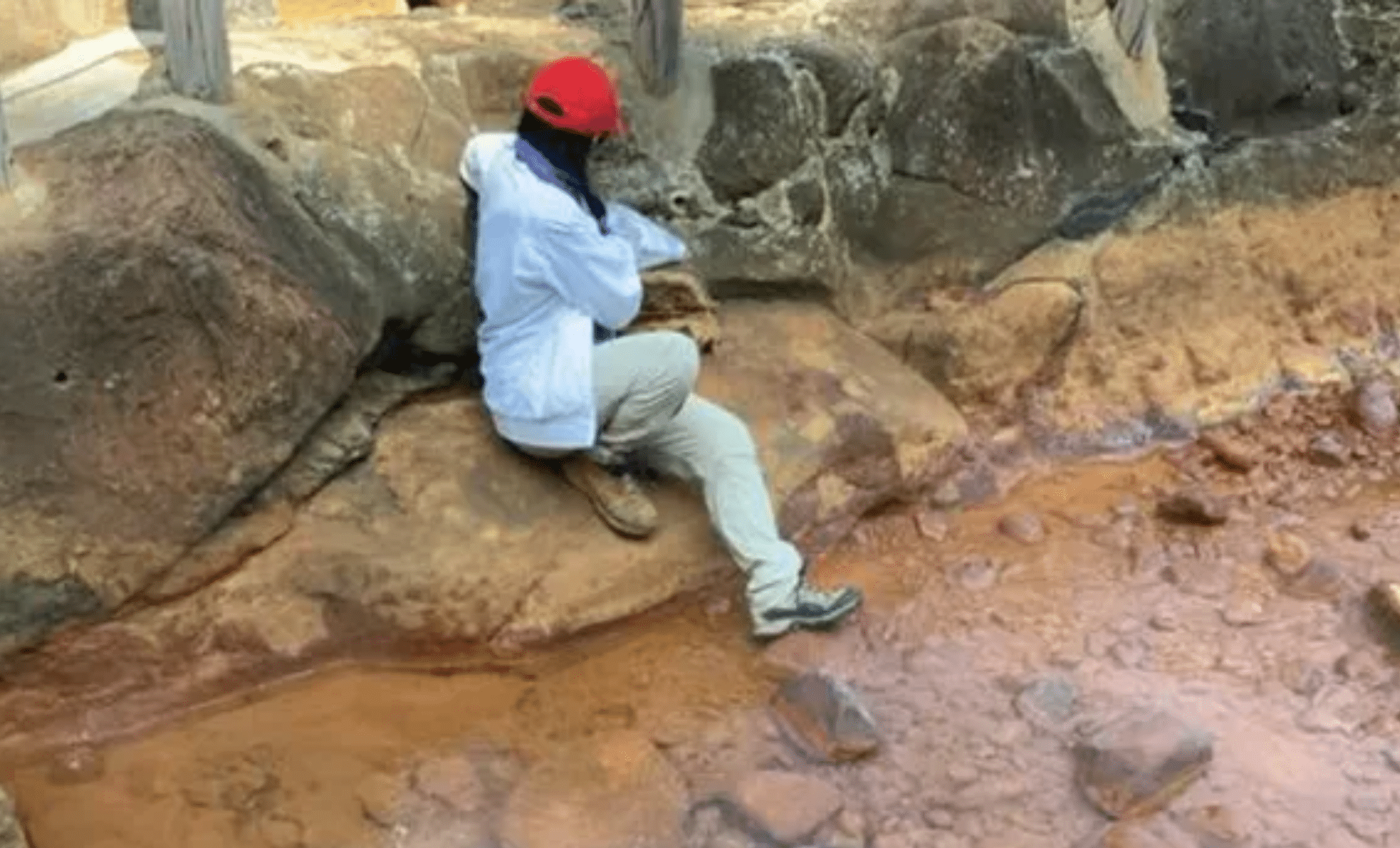
Scientists studying Japan's iron-rich hot springs have uncovered microbial communities that resemble early Earth's conditions, providing insights into how primitive life adapted during the Great Oxidation Event, including the survival of iron-oxidizing bacteria and cryptic sulfur cycles, which may inform understanding of life's resilience in extreme environments both on Earth and beyond.
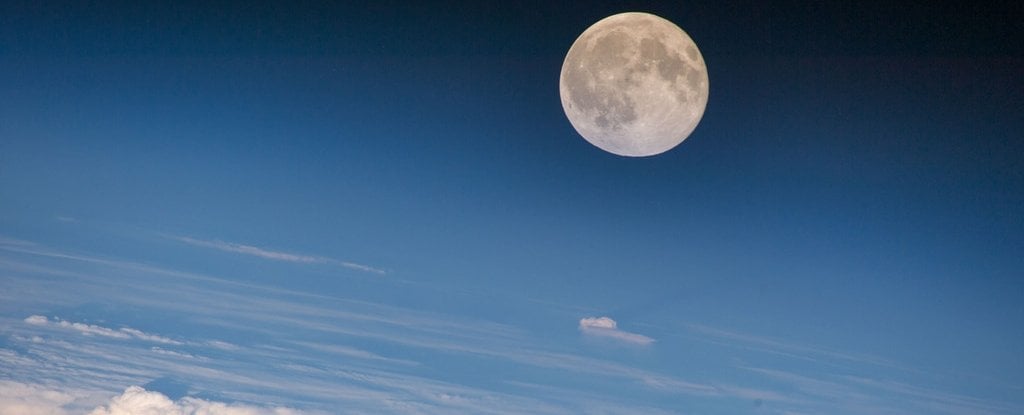
Earth's gradual slowing of its rotation, caused by the Moon's gravitational pull, may have influenced the timing and pattern of Earth's oxygenation, particularly through its effect on microbial oxygen production during events like the Great Oxidation Event, by affecting the duration of daylight and microbial activity.
Scientists have uncovered new evidence that the rise of oxygen in Earth's atmosphere, known as the Great Oxidation Event, began earlier than previously thought, around 2.5 billion years ago, leading to significant changes in the planet's environment and the evolution of complex life. Using advanced geochemical techniques on ancient rock cores from South Africa, researchers traced nitrogen isotope ratios to reconstruct the timeline of oxygenation, revealing a gradual process that profoundly shaped Earth's biosphere.
Scientists predict that in about a billion years, Earth's atmosphere will revert to a methane-rich, low-oxygen state similar to before the Great Oxidation Event, which will likely end most oxygen-dependent life forms, although microbial life may persist. This future deoxygenation is driven by decreasing CO2 levels and increasing solar heat, with implications for understanding planetary habitability and searching for extraterrestrial life.
A new study suggests that Earth's oxygen levels could drop drastically, leading to suffocation and the death of most life on the planet. This extreme drop in oxygen would resemble the state of Earth before the Great Oxidation Event, which occurred around 2.4 billion years ago. While this scenario is not expected to happen for at least another billion years, it highlights the potential challenges humanity may face in the future. However, by that time, humans may have already established colonies on other planets, and some microbial life forms could potentially survive even without oxygen.
Scientists predict that in about a billion years, Earth's atmosphere will transition back to a state rich in methane and low in oxygen, resembling the conditions before the Great Oxidation Event. This extreme drop in oxygen levels will likely suffocate most life forms, including humans. The study has implications for the search for habitable planets outside our solar system, suggesting that other biosignatures besides oxygen should be considered. The research, part of the NASA NExSS project, highlights that Earth's oxygen-rich habitable period may only last 20-30% of its lifespan, with anaerobic microbial life potentially persisting afterward.
Scientists have discovered ancient microfossils in Western Australia that provide new insights into the rise of complex life during the Great Oxidation Event. These microfossils, resembling algae, suggest a significant leap in life's complexity and could redefine our understanding of life's evolution and the potential for complex life forms in the universe. The findings, published in the journal Geobiology, offer direct evidence linking environmental change during the Great Oxidation Event with an increase in the complexity of life. Further research is needed to confirm if the microfossils represent early eukaryotic organisms, which would push back the known eukaryotic microfossil record by 750 million years. The discovery has implications for understanding the origins of complex life on Earth and the search for life elsewhere in the universe.
Microfossils discovered in Western Australia provide direct evidence of a rise in the complexity of life during the Great Oxidation Event, a time when oxygen concentration increased on Earth around 2.4 billion years ago. The microfossils resemble algae and suggest the presence of early eukaryotic organisms, pushing back the known eukaryotic microfossil record by 750 million years. The findings have implications for understanding the timeline of complex life formation on Earth and the potential for complex life elsewhere in the universe.
New research has revealed a link between ancient atmospheric shifts and the chemistry of Earth's mantle, providing insights into the planet's evolution. The study focused on the Great Oxidation Event (GOE), a period when oxygen levels in Earth's atmosphere rapidly increased, and investigated magmas formed in ancient subduction zones. The findings suggest that sediment recycling played a crucial role in providing atmospheric access to the mantle, leading to increased oxidation of magma and altering the composition of the continental crust. This discovery sheds light on the relationship between Earth's external and internal reservoirs and raises questions about the role of oxygen in shaping the planet's history and the conditions for life.
A study has revealed a crucial link between Earth's deep mantle chemistry and its early atmosphere, shedding light on the evolution of life on our planet and the surge of atmospheric oxygen. By examining magmas formed in ancient subduction zones, the researchers found a transition from reduced to more oxidized magmas after the Great Oxidation Event (GOE) around 2.1 to 2.4 billion years ago. This shift was due to the deep subduction of oxidized sediments, enabling the atmosphere to access the mantle. The findings have implications for understanding the composition of the continental crust, ore formation, and the conditions that set the stage for life on Earth.
A new study led by researchers at the University of Portsmouth and University of Montpellier has revealed a connection between Earth's early atmosphere and the chemistry of its deep mantle. By investigating magmas formed in ancient subduction zones during the Great Oxidation Event (GOE), the team found that sediment recycling provided atmospheric access to the mantle, leading to increased oxidation of magma and altering the composition of the continental crust. The research sheds light on the evolution of life on Earth and the relationship between Earth's external and internal reservoirs.