Rumors of a feud between Julia Stiles and Andy Cohen surface after Cohen mocked her dancing in Save the Last Dance; Stiles uses the dig as motivation on Dancing with the Stars, Cohen apologized on Watch What Happens Live, and Stiles aims for Mirrorball glory with pro support.
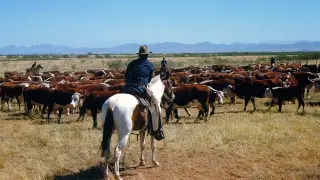
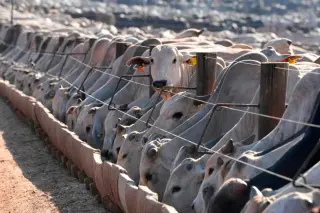
Trump’s plan to import about 300,000 metric tons of foreign beef trim has unsettled red‑state ranchers as U.S. cattle herds sink to a 75‑year low amid drought, high diesel costs and volatile markets. Ranchers report price volatility and uncertainty about keeping breeding stock, while the White House and Agriculture Department tout a pro‑rancher agenda—executive orders to cut red tape, expand grazing, enhance meat processing rules, and strengthen market competition—as addressing a short‑term supply crunch while rebuilding the beef herd.
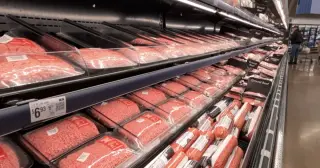
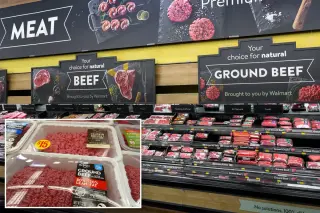
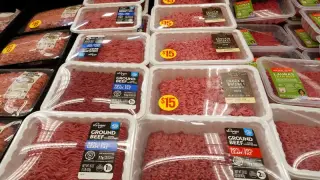
As tariff-free beef imports arrive, shoppers should check labels to ensure their ground beef is U.S.-raised; a 'Product of USA' label signals 100% domestic beef, while 'packed' or 'processed in the USA' can hide non-U.S. origins. Experts say price relief is not guaranteed and may take weeks to show up, so consider asking your local butcher for origin details to avoid paying more for imported beef.
Trump signed executive orders to bolster U.S. beef producers by cracking down on meatpackers’ dominance, creating a path for ranchers to sell directly to consumers, and pushing labeling and country-of-origin rules, while also weighing delisting wolves under the Endangered Species Act; the moves aim to lower prices ahead of midterms but depend on regulatory or congressional action and face industry scrutiny and food-safety concerns.
The European Union suspended imports from Brazil, including beef, citing antimicrobial compliance, prompting Brazil to consider retaliation and signaling further EU measures ahead of full implementation of the EU–Mercosur deal.
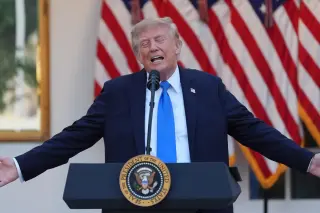
President Donald Trump hosted a Rose Garden End-of-Summer BBQ featuring a prime-aged beef burger, prompting backlash as rising beef costs underscore a broader affordability crisis for American families and fuel debate over imported meat and its effect on domestic ranchers.
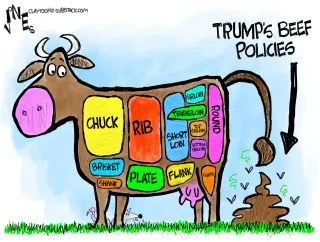
Clay Jones’ Daily Kos cartoon riffs on beef policy and Donald Trump, while the site explains its financial strains and urges readers to donate to keep the outlet paywall-free.
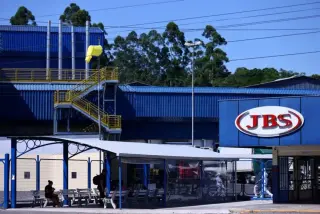
Reuters reports that JBS co-owner Joesley Batista met with President Trump on Aug. 20 to discuss lowering the 26% U.S. beef import tariff to help ease beef prices, a plan the Wall Street Journal says Trump floated the following day as a temporary tariff relief; Reuters could not immediately verify the WSJ account.
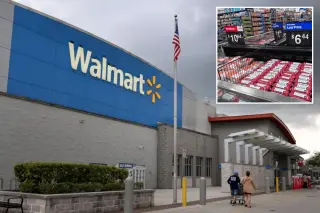
The Department of Justice’s Antitrust Division expanded its beef-price probe from the meatpacking industry to eight major U.S. retailers—Kroger, Publix, Walmart, Albertsons, Aldi, Ahold Delhaize, Costco and Amazon—after reviewing beef price increases; the move broadens federal scrutiny of potential market concentration in both beef processing and retail amid concerns about food security and rising grocery costs, with documents reviewed and whistleblower options noted.
Trump has temporarily lifted tariffs on up to 300,000 metric tons of lean beef trimmings for 90 days to ease prices, with the import coming from an unnamed country. To tell if beef is U.S.-raised, look for labels such as "Product of USA" or "Made in USA" and the USDA inspection stamp; note that ground meat can be commingled from multiple countries, and labels like "USDA Prime/Choice/Select" indicate quality, not origin. Safety concerns persist regarding imported meat due to varying oversight.
Five nominees compete in Outstanding Limited Series at the 2026 Emmys: Netflix’s BEEF (Season 2) defends its crown, joined by Ryan Murphy’s Love Story: John F. Kennedy Jr. & Carolyn Bessette (FX), and three new entries — The Beast in Me (Netflix), All Her Fault (Peacock), and DTF St. Louis (HBO). The article notes past Emmy pedigree among the casts and invites voters to cast a vote in a poll.
The 2026 Emmys’ Limited or Anthology Series race is one of the tightest in years, with five nominees—All Her Fault, The Beast in Me, Beef, DTF St. Louis, and Love Story: John F. Kennedy Jr. and Carolyn Bessette. Netflix’s Beef dominates nominations (16) and features acting nods for Carey Mulligan, Oscar Isaac, Charles Melton and Yuh-jung Youn, while Cailee Spaeny was snubbed. DTF St. Louis sits close with 13 nods and a strong ensemble. Voters surveyed by Variety show Beef and DTF as front-runners, though some voters admit they haven’t watched all nominees, and interpretations of Claire Danes’ performance still spark debate. The prevailing predictions crown Beef as the likely winner for limited series, with Sarah Pidgeon (Love Story) expected to win actress and Isaac (Beef), Harbour (DTF), and Cardellini (DTF) among the anticipated acting winners.
Trump’s plan to allow up to 300,000 metric tons of duty-free beef for 90 days would add only a small amount of supply (about 2%) and applies only to beef trimmings used in ground beef, limiting potential price cuts. Even if cheaper imports reach stores, analysts say relief would likely be modest because retail beef prices have risen sharply in recent years due to strong demand and other supply factors. The administration says the move is meant to address short‑term beef needs while working to boost domestic production, but a meaningful drop in burger prices is unlikely unless imports expand well beyond current expectations.
More than a dozen Republican senators publicly criticized President Trump's plan to import tariff-free, discounted beef to lower grocery prices, arguing it would hurt American ranchers and could raise prices in the long term; the unusually broad GOP rebuke includes several senators facing re-election this year and highlights tensions between affordability goals and cattle producers' interests.
Trump proposes temporarily suspending duties on 300,000 metric tons of imported beef to deliver a 25% price cut for consumers, a move he says will lower grocery costs ahead of the midterms, but it drew backlash from farm-state Republicans and ranchers who felt blindsided; analysts warn any price drop may be limited by tight cattle supplies and higher input costs amid the Iran war, with potential long-term consequences for U.S. herd growth.