Tag

Bioacoustics

All articles tagged with #bioacoustics

Hawkmoths Reinvent Genital Sonar Jamming Seven Times to Evade Bats
science20 days ago

Hawkmoths Reinvent Genital Sonar Jamming Seven Times to Evade Bats

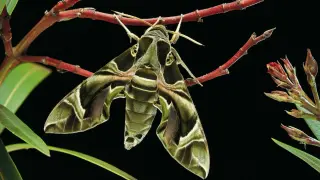
Research led by Paul Masonick reveals that male hawkmoths have independently evolved the ability to produce ultrasonic sounds using their genital structures at least seven times over 30 million years. These sounds, generated through stridulation, serve to disrupt bat echolocation or startle predators. The study identifies three distinct anatomical mechanisms for this sound production, highlighting a repeated evolutionary solution to a specific predator-prey dynamic.


Acoustic data and drone footage reveal new insights on elusive Omura’s whale
science1 month ago

Acoustic data and drone footage reveal new insights on elusive Omura’s whale

New research combines 18 years of underwater acoustic recordings from Australia with the first-ever drone footage of an Omura’s whale feeding. The acoustic study, published in Marine Mammal Science, shows the whales prefer warm, chlorophyll-rich waters from September to May. Meanwhile, a March 2026 drone capture off Mansaur Island provided the first visual record of the species lunge-feeding, a behavior previously unknown. These findings help clarify the habitat and behavior of a species first recognized in 2003 but still listed as Data Deficient by the IUCN.

Fossilized Wings Reveal the Lost Chorus of Jurassic Insects
science2 months ago

Fossilized Wings Reveal the Lost Chorus of Jurassic Insects

Scientists have reconstructed the sounds of nine extinct insect species from the Middle Jurassic, creating the first evidence-based approximation of a 165-million-year-old soundscape. By analyzing fossilized wing structures from Inner Mongolia and comparing them to modern relatives, researchers used computer modeling to simulate the chirps, trills, and clicks of ancient crickets and katydids. The study, published in PNAS, reveals a diverse acoustic environment that challenges previous theories about insect evolution and provides a new layer of realism for media depictions of prehistoric life.

Scientists Reconstruct Jurassic Forest Soundscape Using Fossilized Insect Wings
science2 months ago

Scientists Reconstruct Jurassic Forest Soundscape Using Fossilized Insect Wings

An international team of scientists has reconstructed the sounds of 165 million-year-old Jurassic forests by analyzing fossilized wings of nine prehistoric insect species. Published in the Proceedings of the National Academy of Sciences, the study uses computer modeling and machine learning to replicate the chirps, trills, and clicks of ancient crickets and katydids. The research challenges the prevailing theory that bats drove the evolution of ultrasonic insect communication, suggesting instead that insects developed high-frequency calls to avoid acoustic interference and predation by early mammals. This scientific reconstruction offers a more accurate auditory picture of the past than previous Hollywood-inspired guesses and has already been utilized to enhance the realism of the Netflix documentary series 'The Dinosaurs.'

Sperm Whale Clicks Reach 70km, But Purpose Remains a Mystery
science3 months ago

Sperm Whale Clicks Reach 70km, But Purpose Remains a Mystery

Male sperm whales produce rhythmic 'slow clicks' that are among the loudest mammal communication sounds, reaching 200 decibels and traveling 70 kilometers. While the exact purpose is unknown, researchers suggest the sounds may advertise size or warn rivals. The calls are produced via a massive nasal cavity, with pitch correlating to the whale's size.

Eight motifs unlock the global diversity of birdsongs
science4 months ago

Eight motifs unlock the global diversity of birdsongs

Researchers analysed about 116,000 songs from over 3,000 bird species and found all songs are built from eight motifs—three trill types, three whistle types, chaotic notes and harmonies—combined in various ways. The study shows environment shapes motif use: tropical forests favor simpler whistles to cut through busy soundscapes, while temperate forests feature more complex, information-rich songs for closer-range communication. Using a global, volunteer-sourced database and AI to compare songs, the work reveals a simple underlying structure behind birdsong diversity and highlights how birds may adapt to changing noise and habitats (Science).

Across Species, a Shared 2 Hz Signaling Beat Emerges
science7 months ago

Across Species, a Shared 2 Hz Signaling Beat Emerges

A cross-species analysis finds most signaling/communication rates cluster around 0.5–4 Hz (roughly 2 beats per second), observed across insects, birds, mammals, and even humans, suggesting a brain-friendly tempo that may help grab attention; computer modeling shows neural circuits respond strongest at 2 Hz, supporting the idea of a universal carrier rhythm, though researchers caution that sampling biases and the vast diversity of signals mean more work is needed.

Rockhead Poacher Turns Its Head Into a Built-In Drum for Underwater Buzzes
science10 months ago

Rockhead Poacher Turns Its Head Into a Built-In Drum for Underwater Buzzes

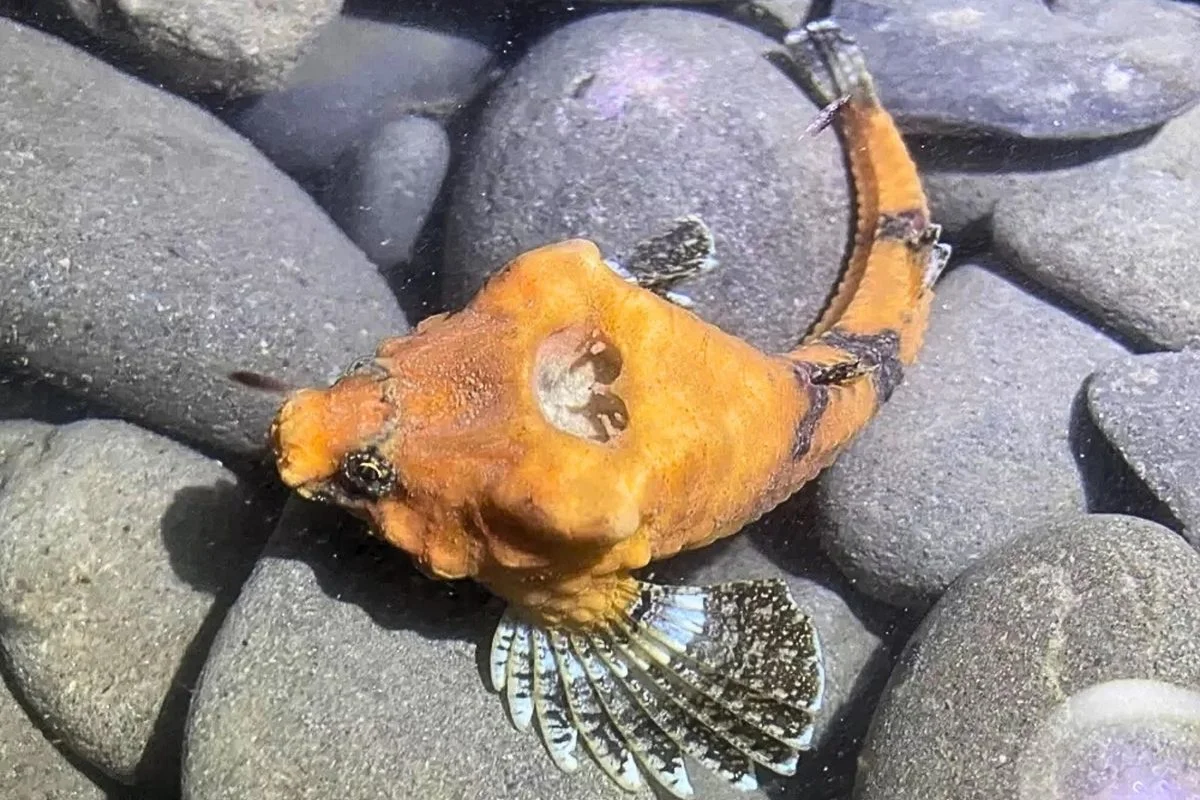
LSU researchers propose that the rockhead poacher’s hollow head serves as a built-in percussion instrument to generate buzzing sounds for communication. MicroCT scans revealed internal bone spines and rib-like structures that may act as drumsticks and sensors, helping the small fish sense water flow and vibrate sound in its noisy shallow habitat.

Why Microphones Are Being Placed in Rainforests
environment2 years ago

Why Microphones Are Being Placed in Rainforests

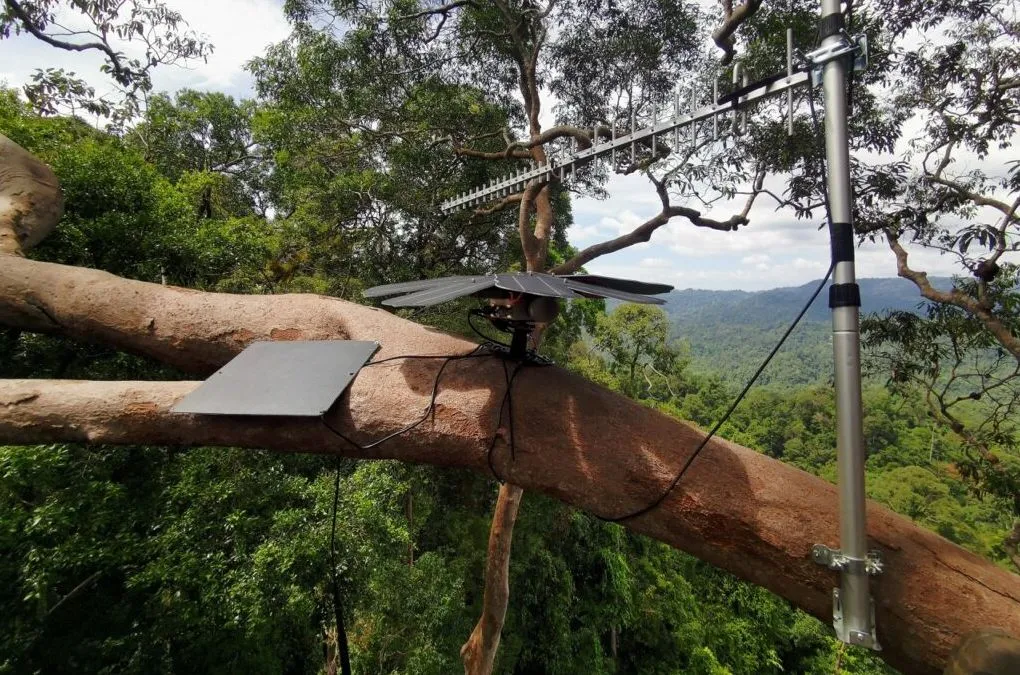
The Rainforest Connection's Guardian system, initially developed to detect illegal logging using upcycled smartphones, has evolved into a sophisticated bioacoustic monitoring platform. Now active in ten countries, it uses custom hardware to capture real-time audio data for both conservation efforts and scientific research. The system's data is accessible to the public through mobile apps, allowing users to listen to rainforest sounds and aiding in the protection of these vital ecosystems.

"Insect Sounds: A Key Tool for Monitoring Environmental Health"
environment2 years ago

"Insect Sounds: A Key Tool for Monitoring Environmental Health"

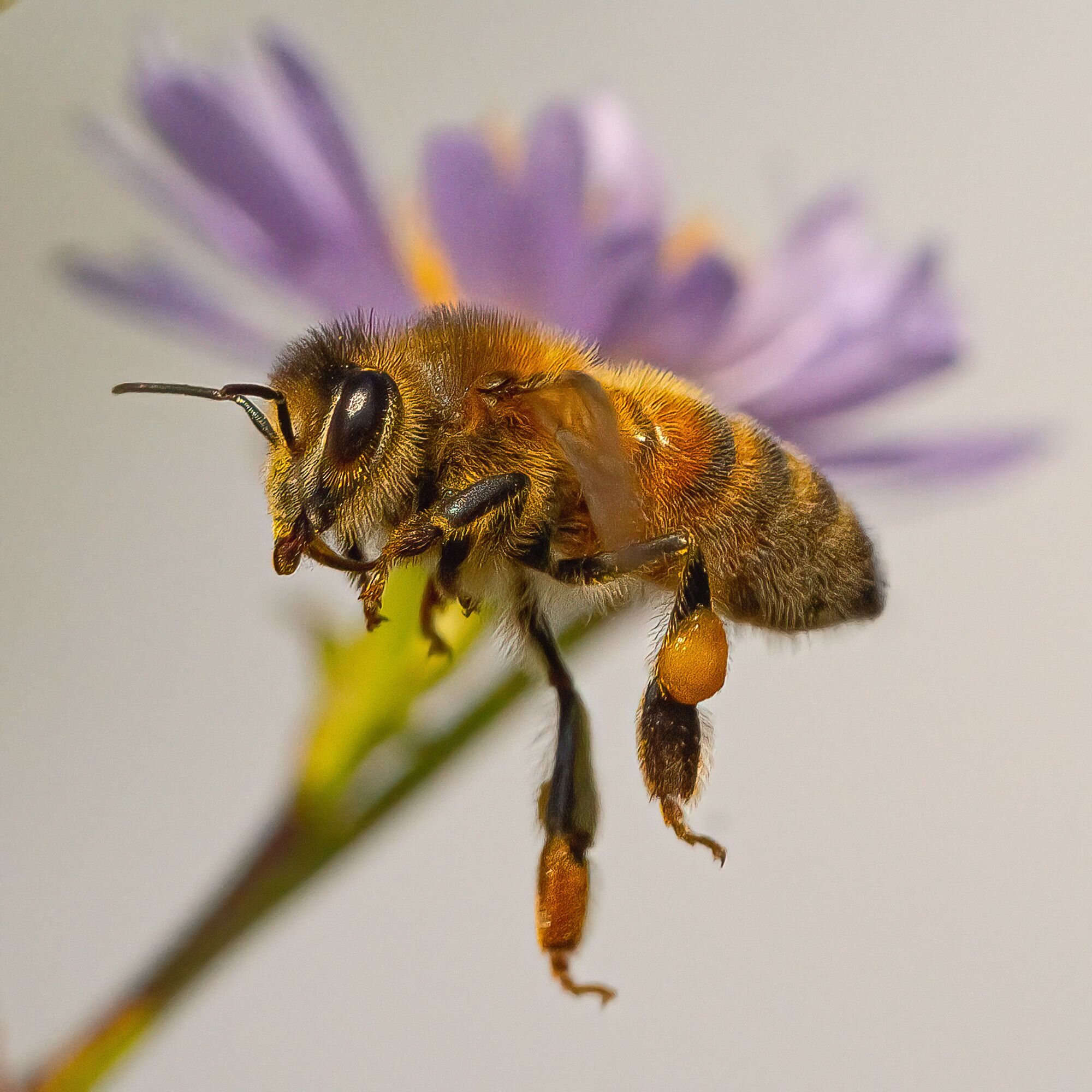
Researchers at the University of Massachusetts Amherst are using machine learning to identify different insect species by their sounds, aiming to monitor shifts in insect populations and gauge environmental health. The study, published in the Journal of Applied Ecology, suggests that machine and deep learning are becoming the gold standards for automated bioacoustics modeling, offering a non-lethal and resource-efficient alternative to traditional methods of sampling insect populations. While automated bioacoustics has its limitations, it is seen as a key tool in effectively monitoring insect populations worldwide.

Exploring the Unheard: NOEMA's Sounds of Invisible Worlds.
science3 years ago

Exploring the Unheard: NOEMA's Sounds of Invisible Worlds.

The invention of the microscope and telescope revolutionized science and philosophy by revealing hidden worlds. However, Western culture's over-reliance on vision has led to a lack of development in hearing, which is crucial for holistic perception and knowledge. Scientists are now exploring the world of sound through bioacoustics and sonification, leading to discoveries of complex communication in nonhuman species and the potential for translation through AI. These discoveries raise ethical and philosophical questions about the uniqueness of language and the political voice of nonhumans.