Tag

Animal Communication

All articles tagged with #animal communication

Across Species, a Shared 2 Hz Signaling Beat Emerges
science1 month ago

Across Species, a Shared 2 Hz Signaling Beat Emerges

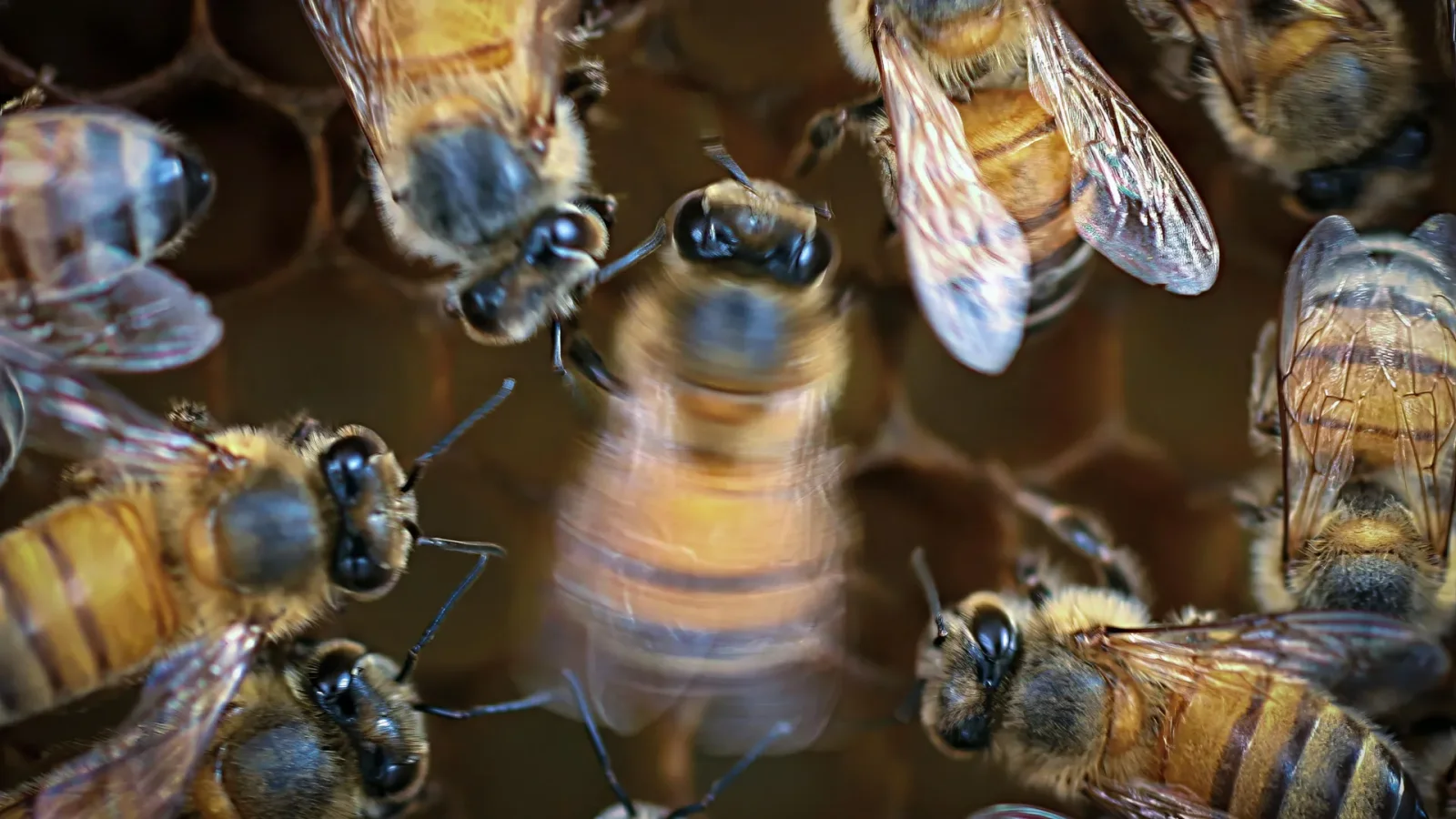
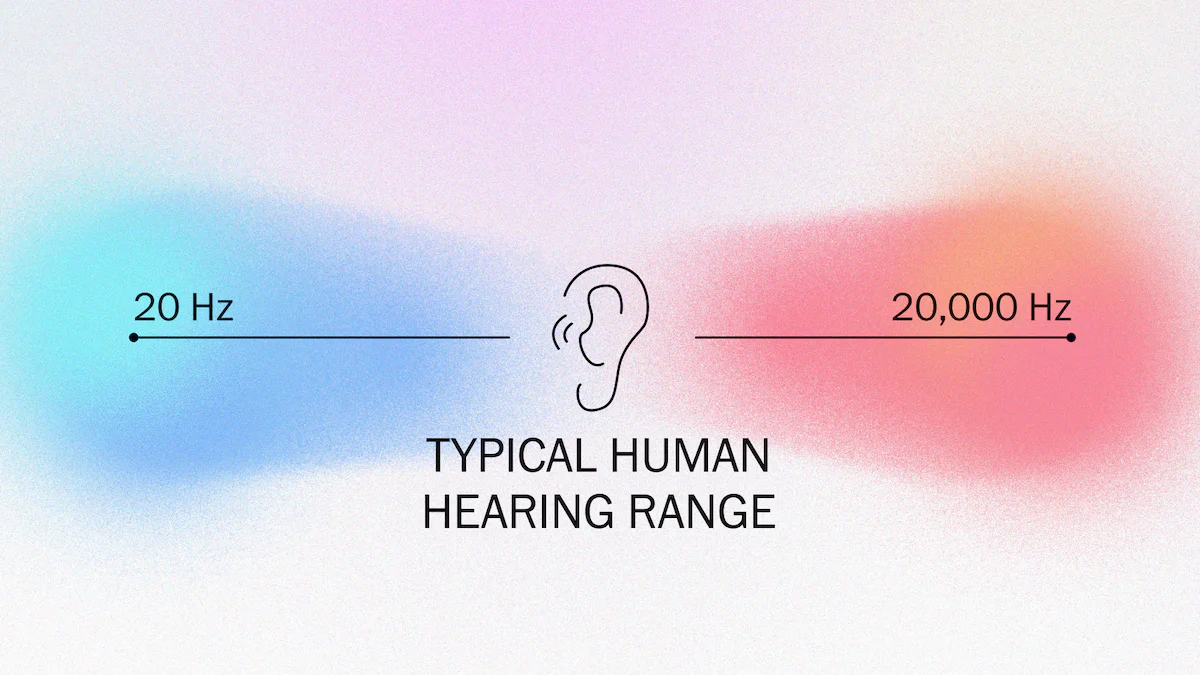
A cross-species analysis finds most signaling/communication rates cluster around 0.5–4 Hz (roughly 2 beats per second), observed across insects, birds, mammals, and even humans, suggesting a brain-friendly tempo that may help grab attention; computer modeling shows neural circuits respond strongest at 2 Hz, supporting the idea of a universal carrier rhythm, though researchers caution that sampling biases and the vast diversity of signals mean more work is needed.

Whale Codas Hint at Human-Like Language in Sperm Whales
science1 month ago

Whale Codas Hint at Human-Like Language in Sperm Whales

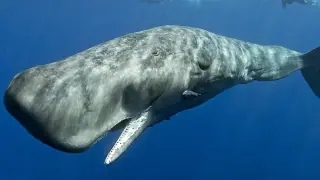
UC Berkeley researchers studied 15 sperm whales over four years, attaching underwater microphones and analyzing codas; they found two frequency-based, vowel-like click types (a and i) that can form diphthongs, with different pods using distinct frequencies—suggesting regional accents and a highly complex system similar in pattern to human speech, published in Proceedings of the Royal Society B.

Two Beats Per Second: A Shared Rhythm Linking Animals and Humans
science1 month ago

Two Beats Per Second: A Shared Rhythm Linking Animals and Humans

Northwestern researchers find that many species signal at about 2 Hz (roughly two pulses per second), suggesting a brain-based resonance that makes this tempo easy to process. This universal timing, within a 0.5–4 Hz band, aligns with human speech and popular music around 120 BPM and may reflect a neural constraint rather than body size, offering a baseline for attention and cross-species communication.

Whale Talk Mirrors Human Language, New Study Finds
science1 month ago

Whale Talk Mirrors Human Language, New Study Finds

Sperm whales’ codas show vowel-like differences and tonal patterns arranged in multi-layered structures that closely resemble human phonology, suggesting parallel evolution of language-like signals. The findings from Project CETI and UC Berkeley researchers, published in Proceedings B, push forward the goal of understanding whale speech and eventually enabling interspecies communication, though significant work and funding remain.

Sperm Whale Codas Reveal Human-Like Phonology
science1 month ago

Sperm Whale Codas Reveal Human-Like Phonology

New analysis of 3,948 sperm whale codas from 15 individuals finds two formant-based coda types (a-codas and i-codas) with timing and contextual rules resembling human phonology, indicating a highly structured communication system that stops short of being language. Project CETI frames this as a major step toward decoding whale speech and understanding language evolution.

Horses' whinny unveils a two-tone vocal trick: low rumble and high whistle
science3 months ago

Horses' whinny unveils a two-tone vocal trick: low rumble and high whistle

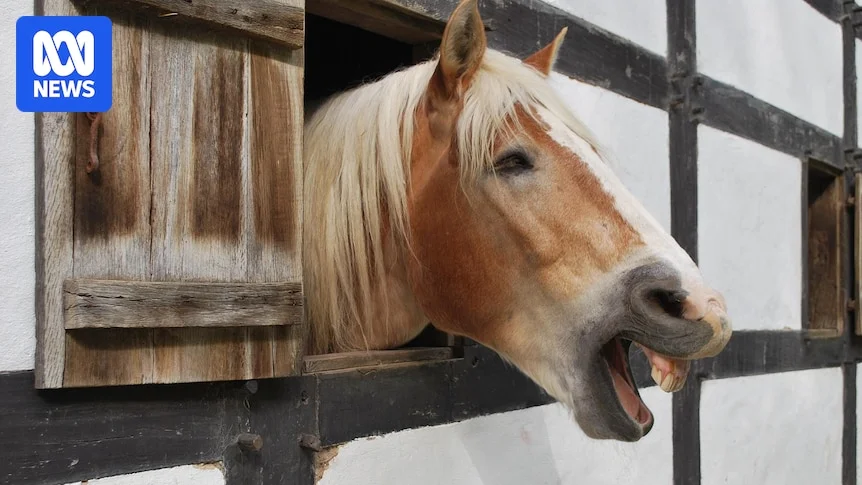
Researchers show the horse whinny is produced by two simultaneous sounds: a low-frequency vibration from the vocal folds and a high-pitched whistle created as air passes through laryngeal cartilage. This biphonation—a rare multi-tone vocalization—may convey complex social messages. Endoscopic observations and ex vivo larynx experiments (including helium tests) confirmed the mechanisms, placing horses among a small group of species capable of such vocal tricks.