Tag

Bioimaging

All articles tagged with #bioimaging

Self-organizing laser beam enables ultrafast, high-res brain imaging
technology29 days ago

Self-organizing laser beam enables ultrafast, high-res brain imaging

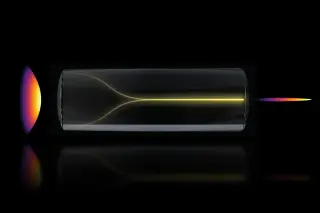
MIT researchers reveal a laser that self-organizes into a stable pencil beam inside a multimode fiber under precise on-axis high-power conditions, enabling ultrafast, high-resolution 3D imaging of the blood–brain barrier and real-time tracking of drug uptake without fluorescent tags—potentially speeding brain-targeted therapy research by about 25x and opening paths to imaging neurons and other tissues.
Engineered MagLOV proteins enable in vivo quantum sensing with MRI-like imaging
science4 months ago

Engineered MagLOV proteins enable in vivo quantum sensing with MRI-like imaging

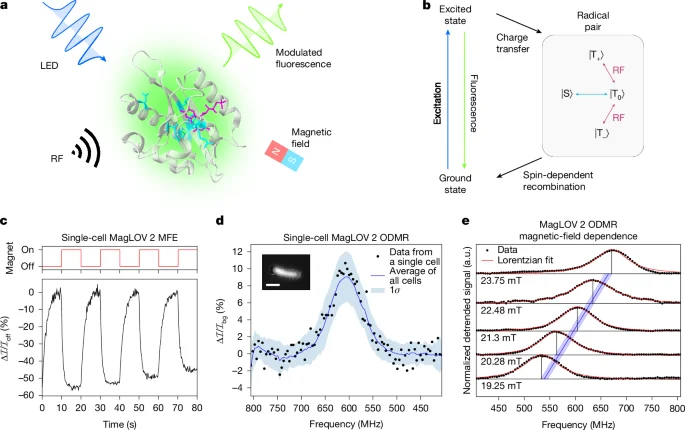
Researchers engineered magneto-sensitive fluorescent proteins (MagLOV) that show optically detected magnetic resonance in living cells at room temperature, with single-cell sensitivity and ~10% ODMR contrast. Through directed evolution, variants with tunable magnetic-field responses were created, supporting multiplexed readout, lock-in detection, and spatial localization of fluorescence using magnetic-field gradients (fluorescence MRI). MagLOV reports are also sensitive to the local spin environment (e.g., gadolinium), enabling in situ sensing of cellular microenvironments. Collectively, this work demonstrates a programmable, endogenously expressible quantum-sensing platform in biology with broad imaging and sensing applications.

"Revolutionary Color-Changing Dyes Uncover Cellular Time Travel Secrets"
science-and-technology2 years ago

"Revolutionary Color-Changing Dyes Uncover Cellular Time Travel Secrets"

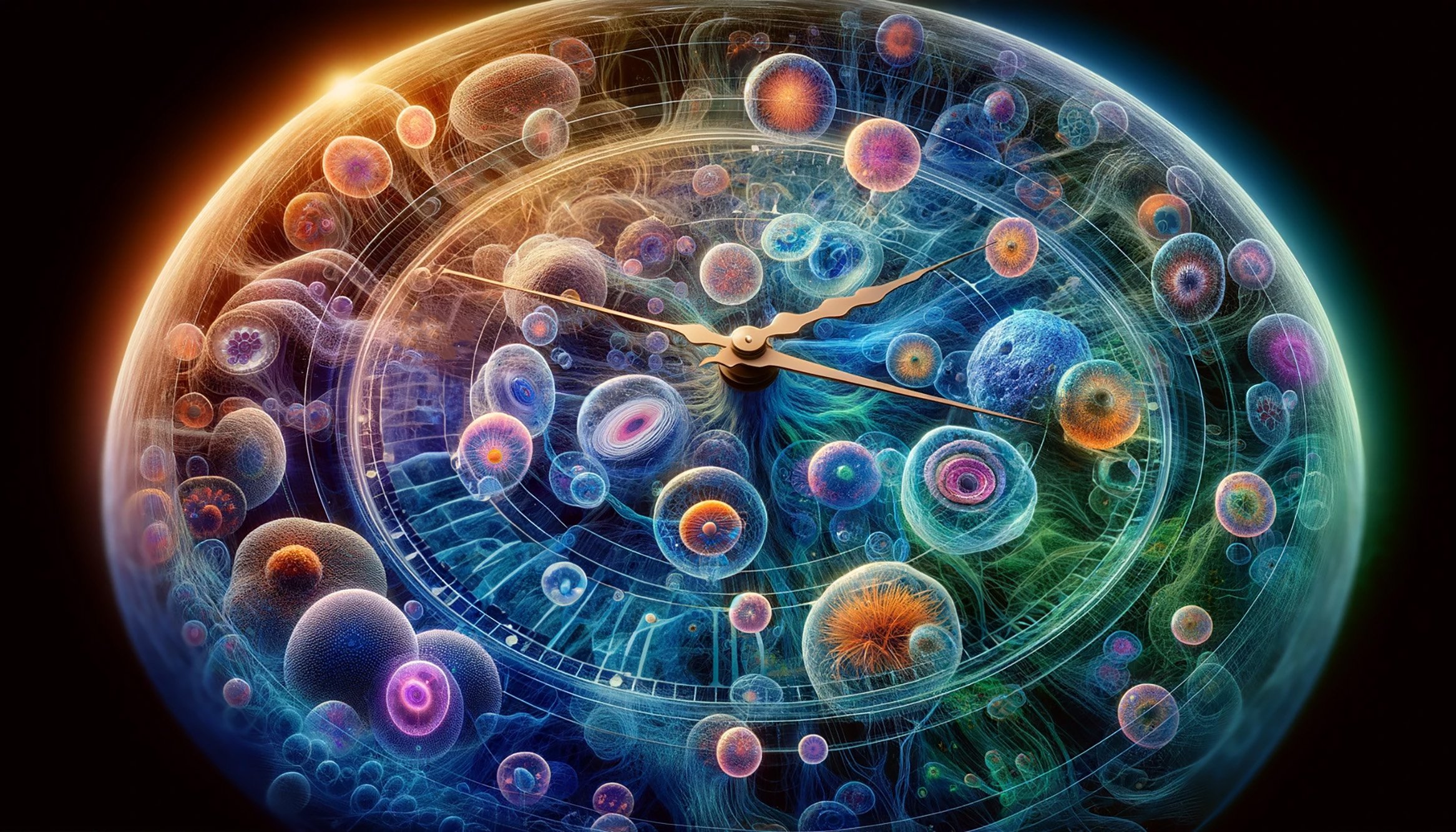
Researchers from Trinity College Dublin and the Royal College of Surgeons in Ireland have developed innovative fluorescent dyes that change color to visualize different biological environments within cells, enabling real-time, high-contrast imaging of cellular processes. These dyes, capable of "switching on" and "off" based on their location within cellular structures, have potential applications in bio-sensing, drug delivery imaging, and the study of cellular dynamics, with implications for advancements in medicine and biology. The breakthrough, published in the journal Chem, was made possible through international collaboration and significant funding from Irish research bodies.