Nano metasurface boosts light frequency conversion by 1,000x
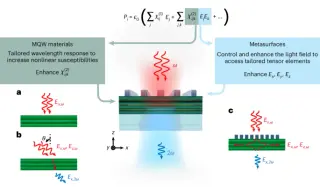
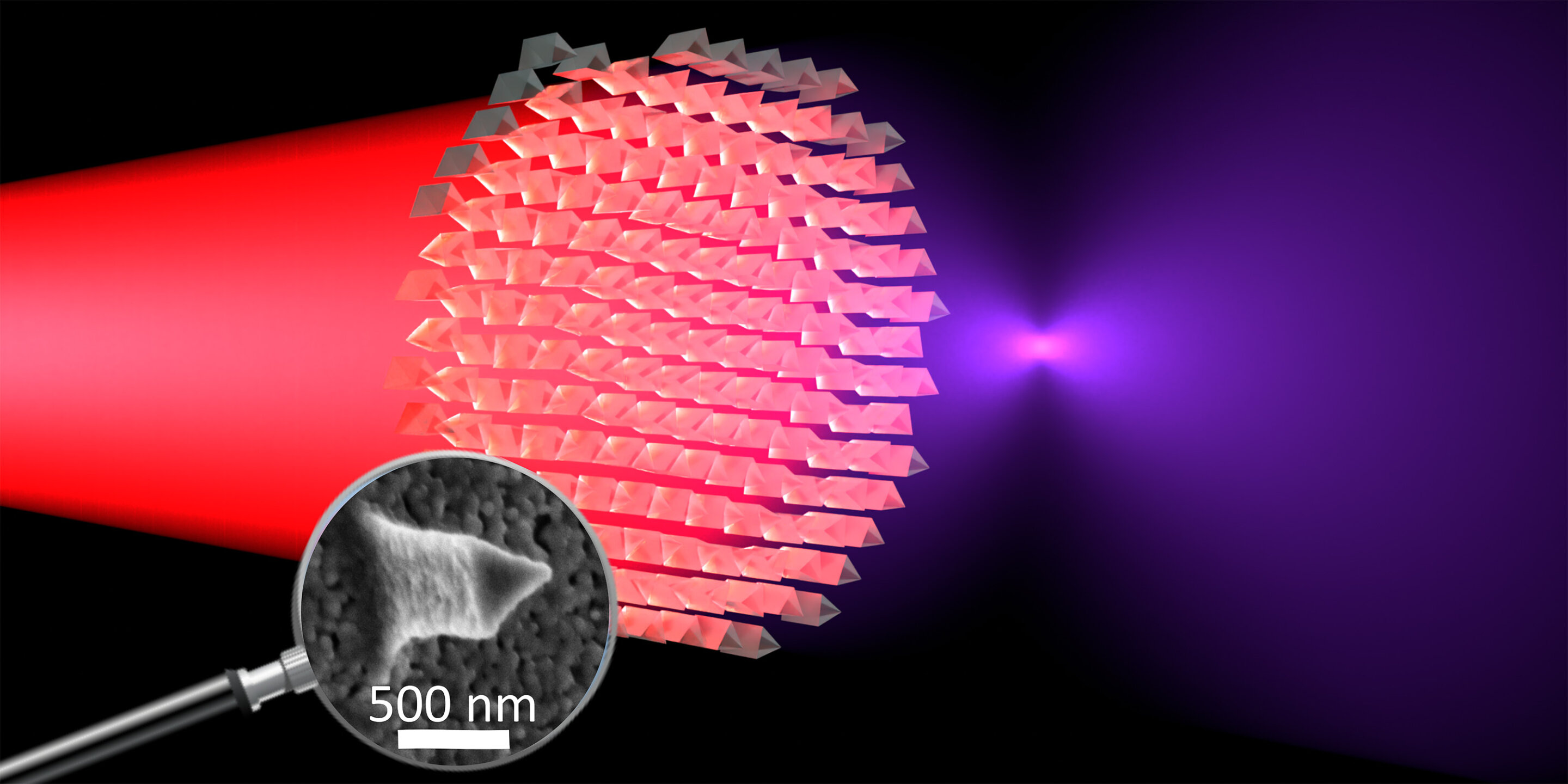
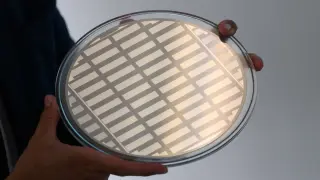
Researchers combined gallium arsenide/aluminum gallium arsenide multi-quantum-well layers with a nanoscale metasurface to amplify light’s nonlinear frequency conversion by up to 1,000 times, enabling smaller, scalable photonic devices for telecom and quantum technologies. The approach engineers both the material and the optical structure, yielding strong light–matter interactions at near-infrared wavelengths and compatibility with existing semiconductor manufacturing, with potential applications including quantum communication and entangled-photon sources.