Bank of England Governor Andrew Bailey cautioned markets not to jump to conclusions about future rate rises, noting the current context differs from 2022 with high rates and softer demand, and emphasizing a data‑dependent approach to policy.
US data has improved but not enough to restore dollar confidence, and a durable rebound looks unlikely this week; EUR/USD may break below 1.180 rather than rise to 1.20 as euro-isation grows. The ECB’s move to widen euro access could support longer-term EUR/USD, even as near-term moves remain modest. In the UK, January jobs and inflation data keep BoE-cut bets alive, while in CEE most currencies stay range-bound amid expectations of gradual rate cuts. Nvidia earnings and stock volatility loom as potential FX catalysts.
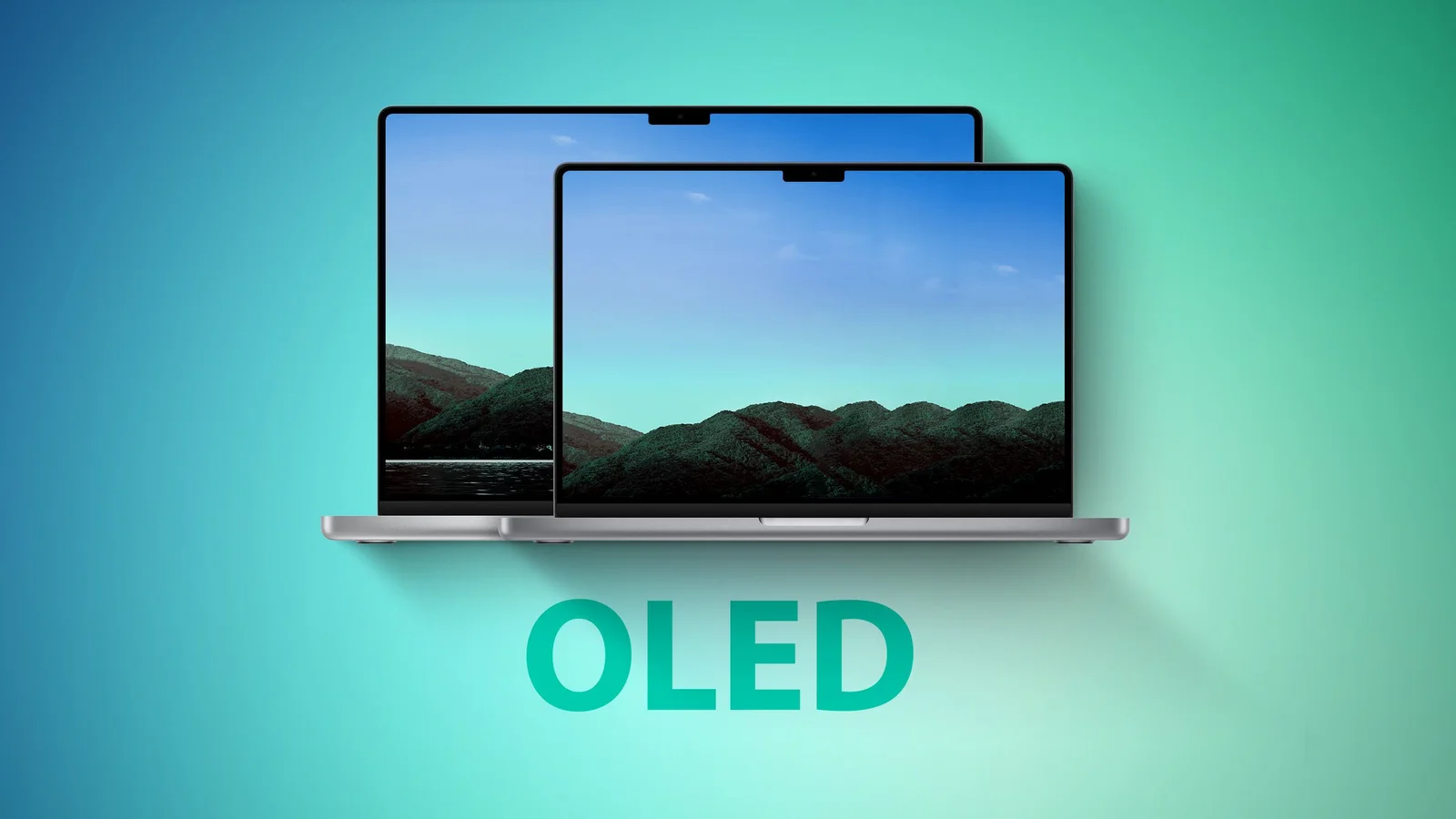
Per Korea’s The Elec, Apple’s first OLED MacBook Pro is expected to launch in Q4 2026 (October–December), with Samsung Display mass‑producing eighth‑generation OLED panels (about two million units) for Foxconn assembly; the 14‑ and 16‑inch machines will run on M6‑series chips and feature a major redesign, though some components are still being revised to cut costs, with BOE potentially supplying panels later but initial units relying on Samsung’s displays.
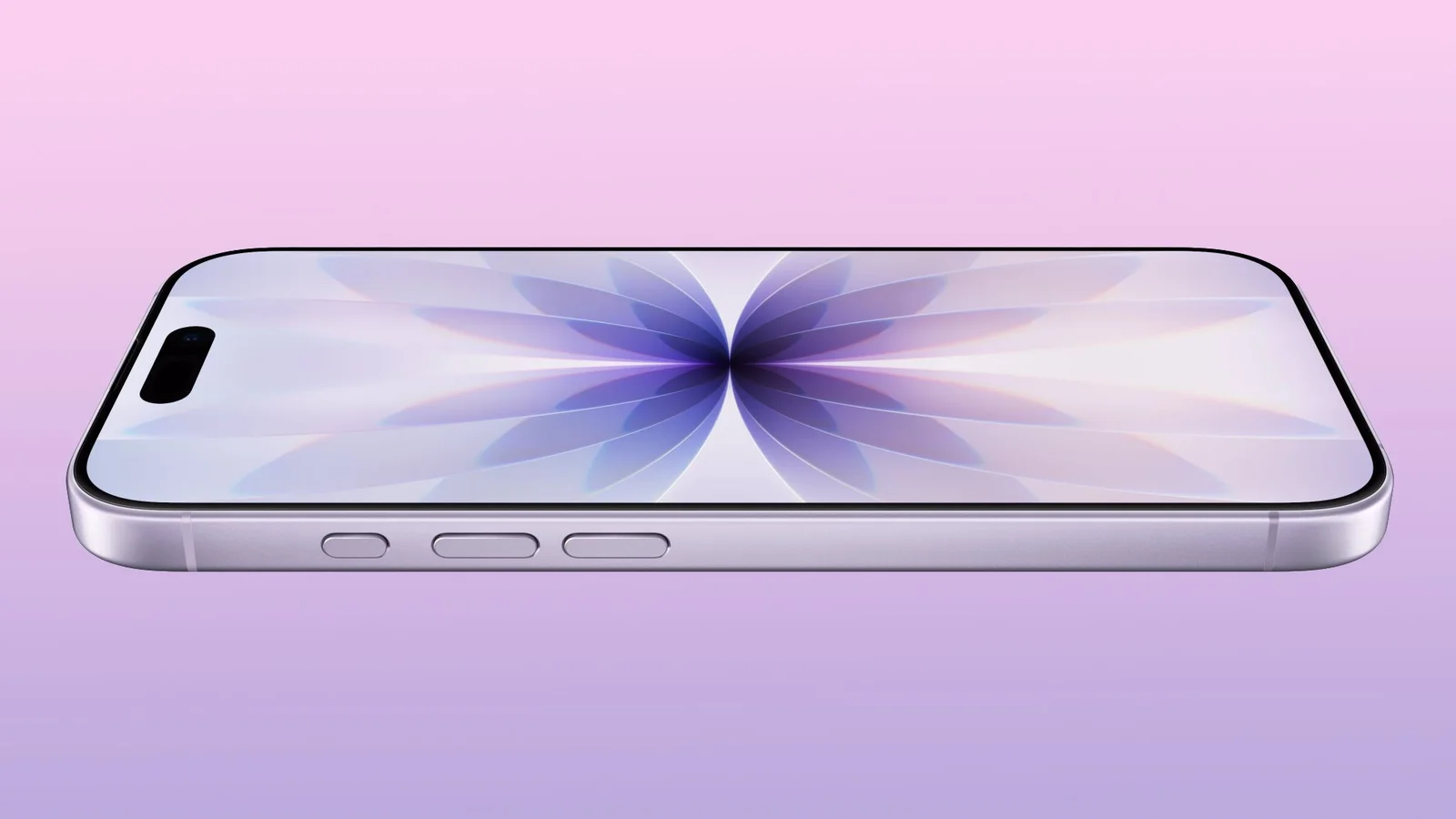
Rumors say the iPhone 18 will feature a significantly brighter display, with Apple pushing brightness beyond current generations and BOE reportedly unable to meet these unprecedented specs, shifting panel orders to Samsung Display. The phone is expected to launch in early 2027 with an A20 chip, C2 modem, and a simpler Camera Control.
Britain’s inflation rate rose to 3.4% in December from 3.2% in November, beating economists’ 3.3% forecast, with higher tobacco prices from new excise duties and pricier airfares contributing, along with rising bread and cereal costs; core inflation held at 3.2%, while rents and some recreational prices fell. The pound traded near $1.323, and the data cloud the Bank of England’s path to a February rate cut as pay growth remains soft.
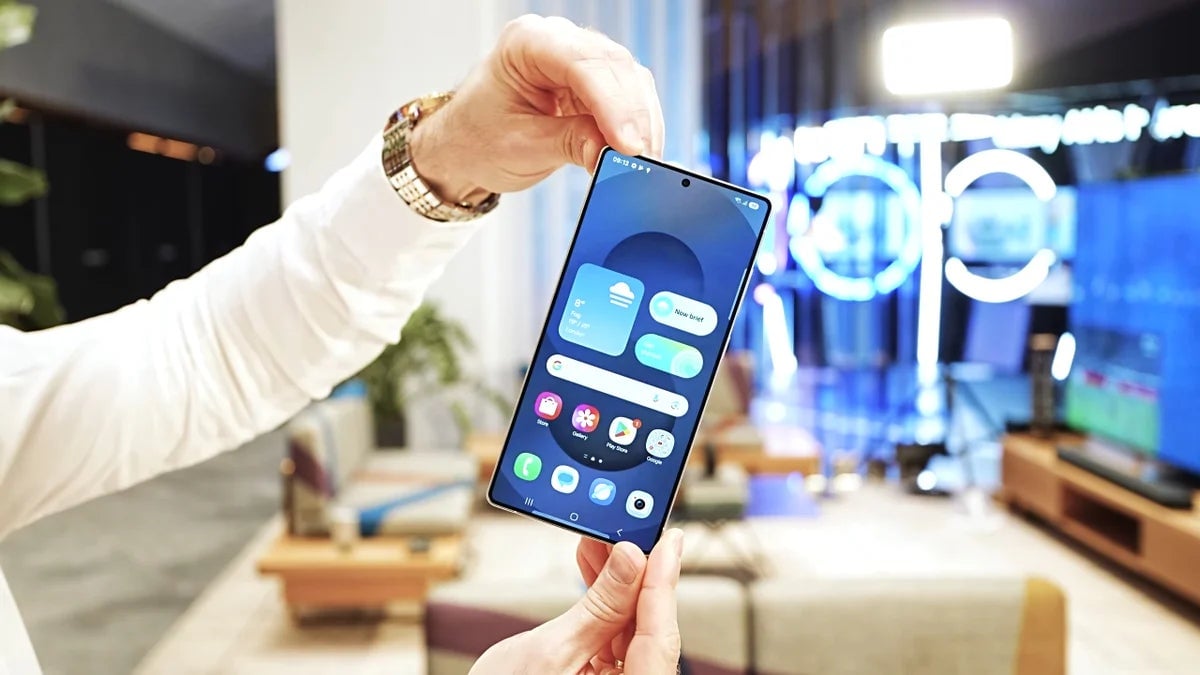
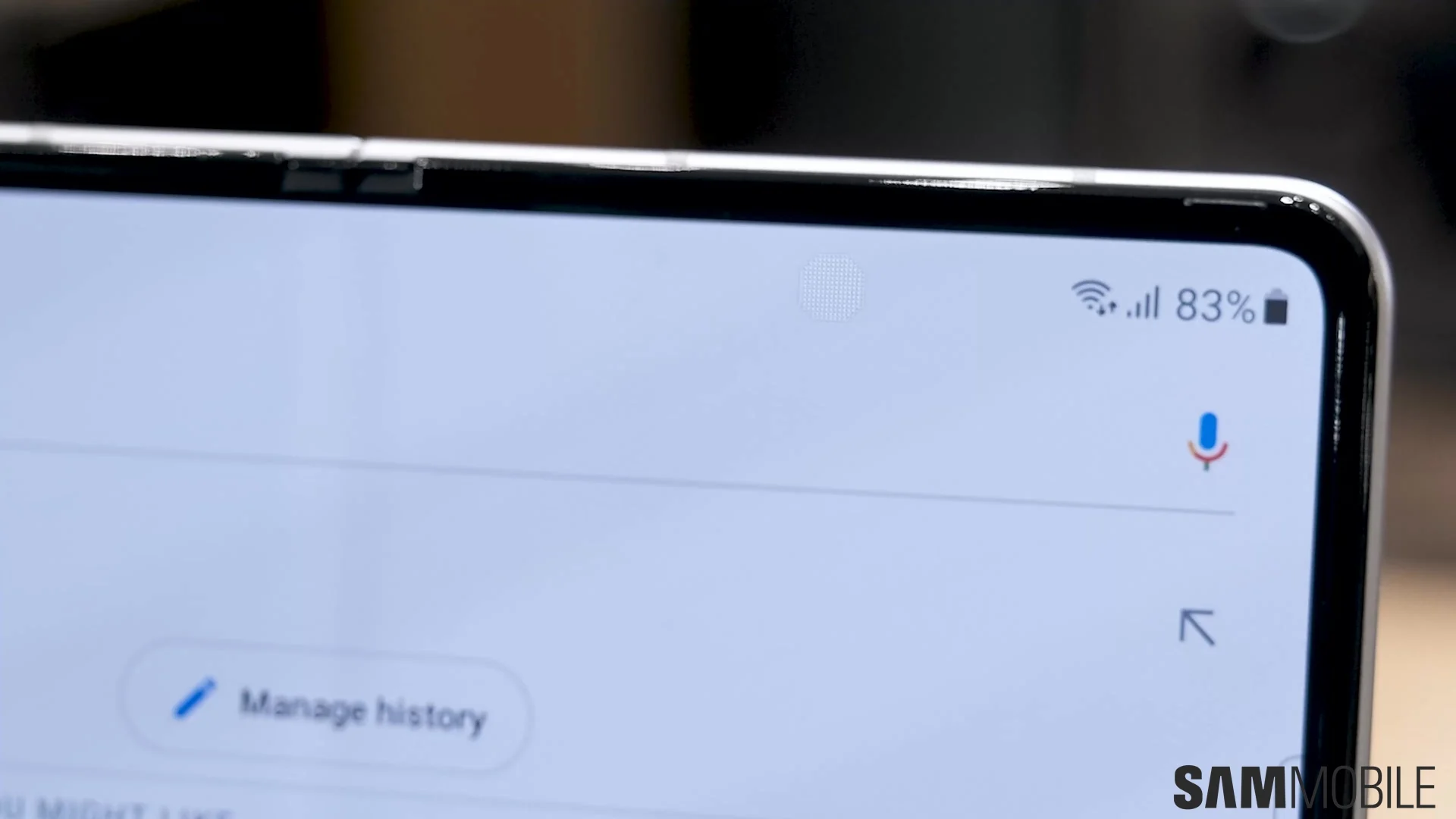
Samsung is considering using Chinese OLED displays from BOE for its flagship Galaxy phones to reduce costs, despite traditionally using its own high-quality displays, as part of a strategy to cut manufacturing expenses and diversify suppliers after settling a patent dispute with BOE.
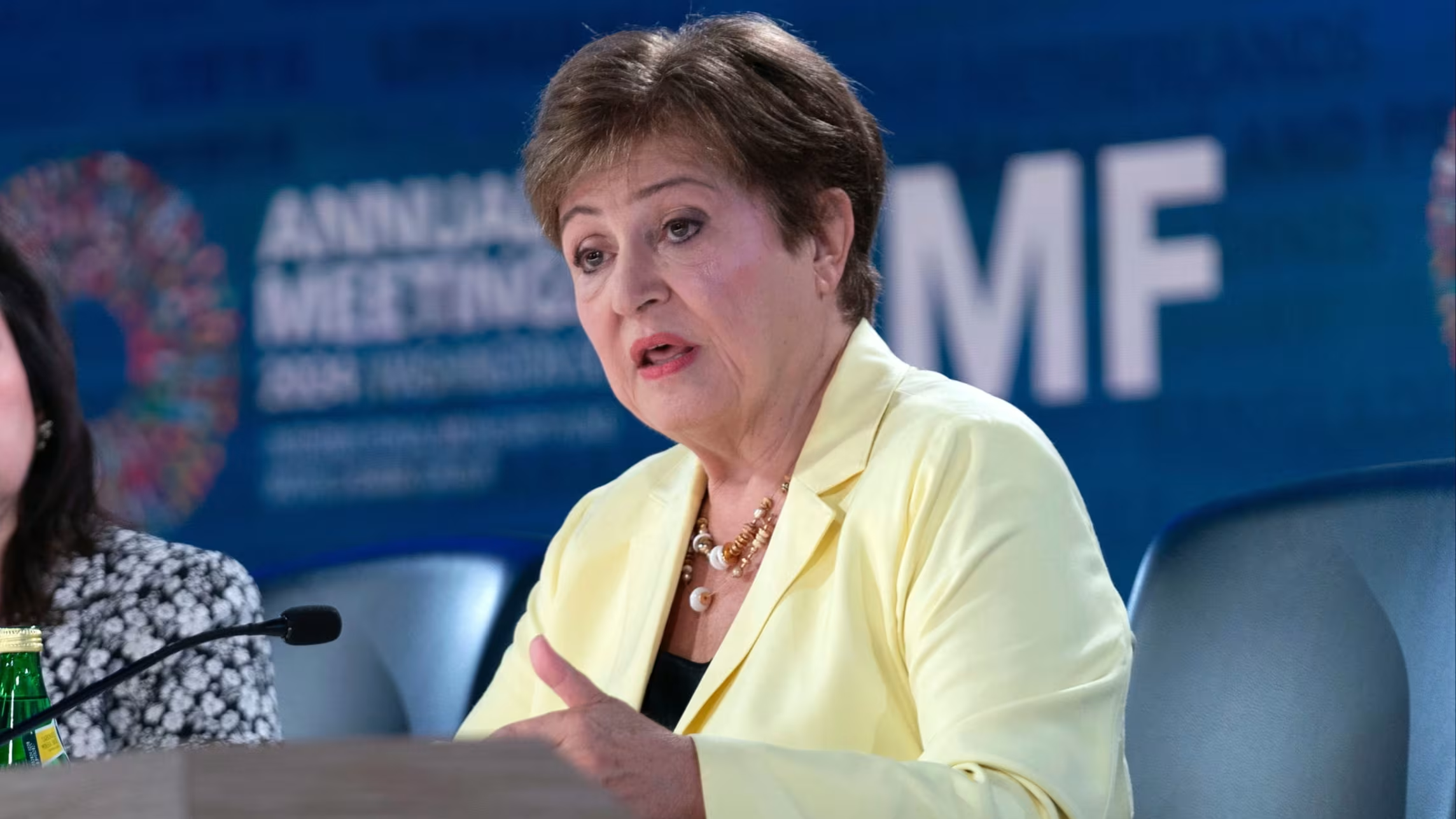
The IMF and Bank of England warn that the rapid growth of AI could lead to an abrupt correction in the stock market, highlighting potential risks associated with the AI boom.
The Bank of England prefers tokenized bank deposits over stablecoins to maintain financial stability, citing risks of crime and systemic disruption, and questions the need for a digital pound, contrasting with the US and Europe's approaches to digital currencies.
BOE has filed a lawsuit against Samsung Display in the US, accusing Samsung of infringing on four of its patents related to OLED display technology used in the Galaxy Z Fold series, as a countermeasure to Samsung's earlier lawsuit alleging trade secret theft and employee poaching. The legal battle is expected to take years, likely not affecting the sales of Galaxy Z Fold devices in the near term.
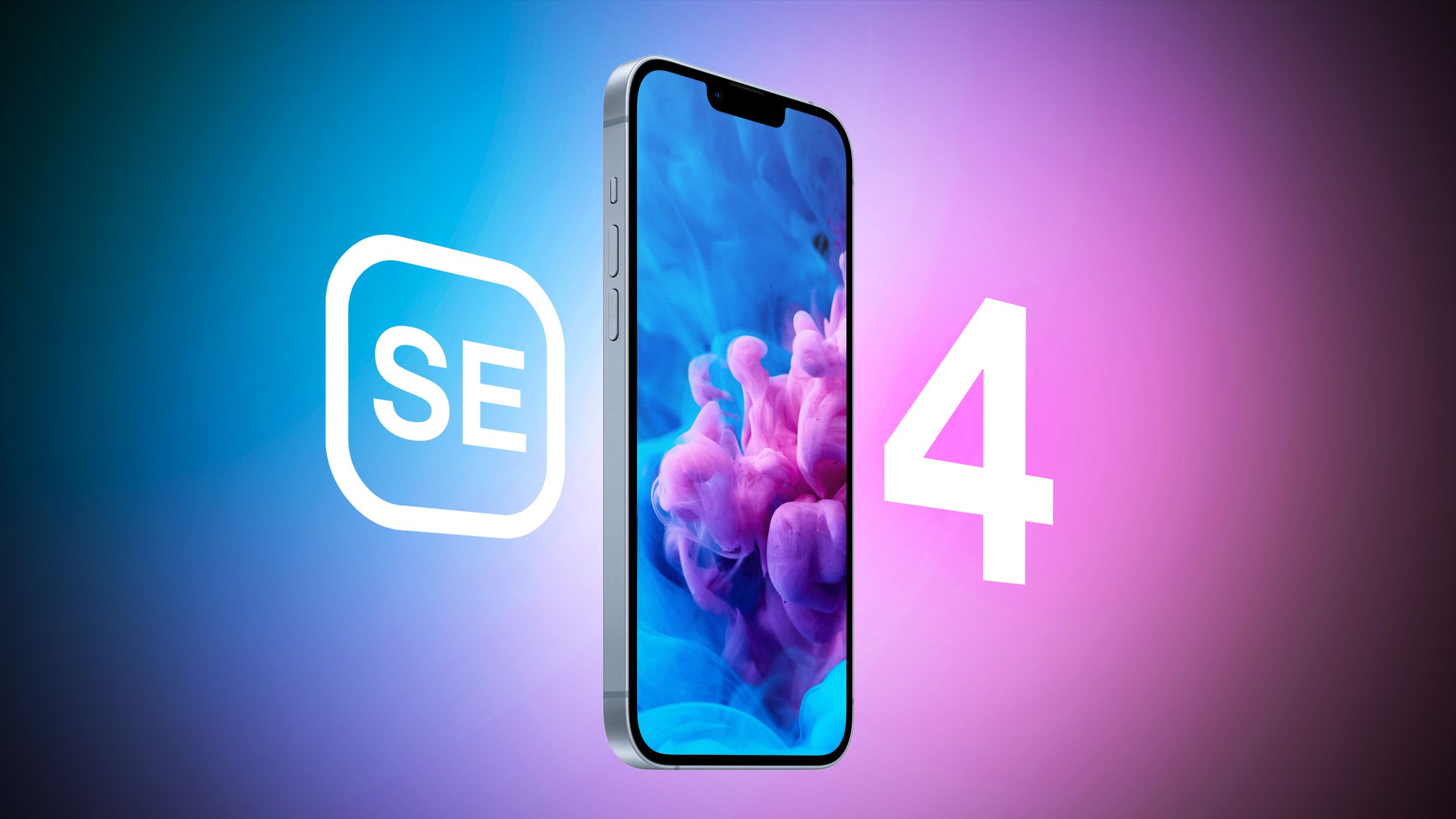
BOE is set to supply the majority, if not all, of the 6.1-inch OLED panels for the upcoming iPhone SE 4, as Samsung reportedly withdrew from the deal due to Apple's low pricing. With a unit cost of $25, lower than what Samsung or Chinese makers are asking, BOE is likely to secure all orders for the displays, while Samsung's decision was influenced by low margins and Apple's request for an even lower price per unit.
Samsung declined to manufacture displays for the 2025 iPhone SE 4 due to price disagreements with Apple, leading to China's BOE being awarded the sole contract. The decision introduces some risk, as Samsung's production line challenges had been ironed out, but Apple generally prefers multiple suppliers for reduced risk and negotiating power. Despite this, both companies are likely content with the outcome, as Apple seeks to minimize costs and Samsung prioritizes strong revenue streams from flagship iPhone displays.
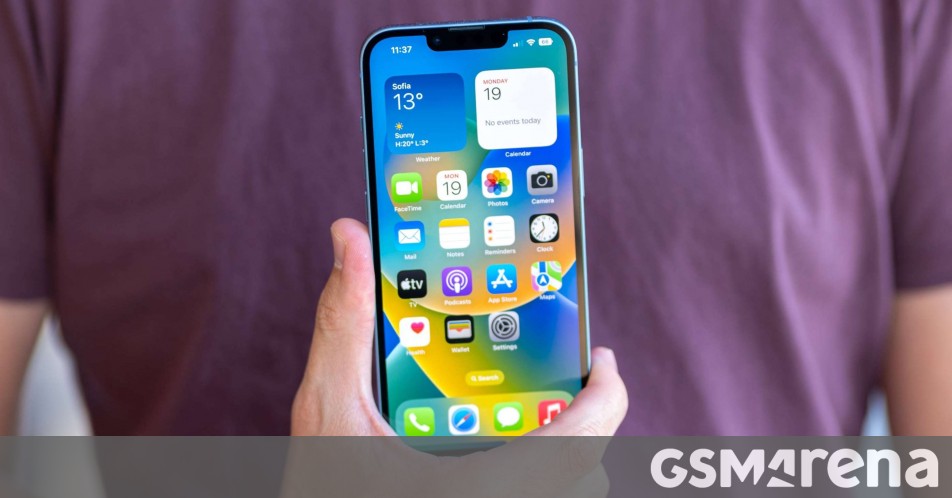
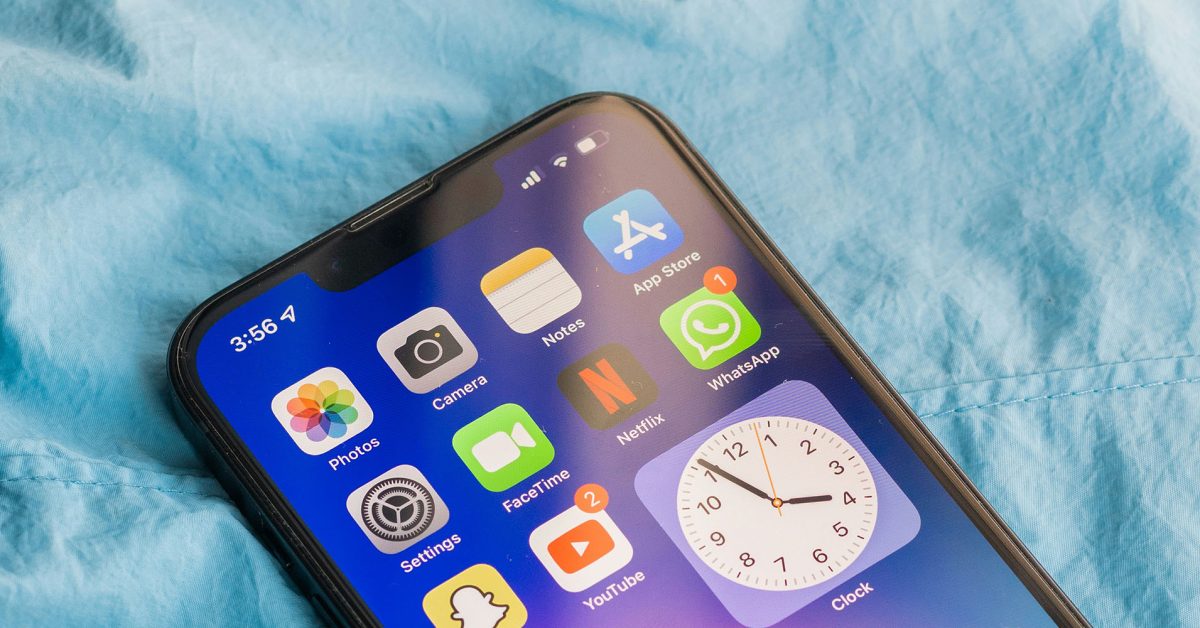
Apple supplier BOE is likely to provide the OLED panels for the upcoming 6.1-inch iPhone SE 4, as Samsung Display has reportedly withdrawn from negotiations due to pricing issues. BOE and Tianma have been in discussions with Apple, but Tianma has not yet met Apple's quality requirements, leaving BOE in pole position to win the majority, if not all, of the orders. The iPhone SE 4 is rumored to feature a design similar to the iPhone 14, with a 6.1-inch OLED display, Face ID, USB-C port, and an all-screen look. Despite the upgrades, the iPhone SE 4 may face faster depreciation than Apple's higher-end models.
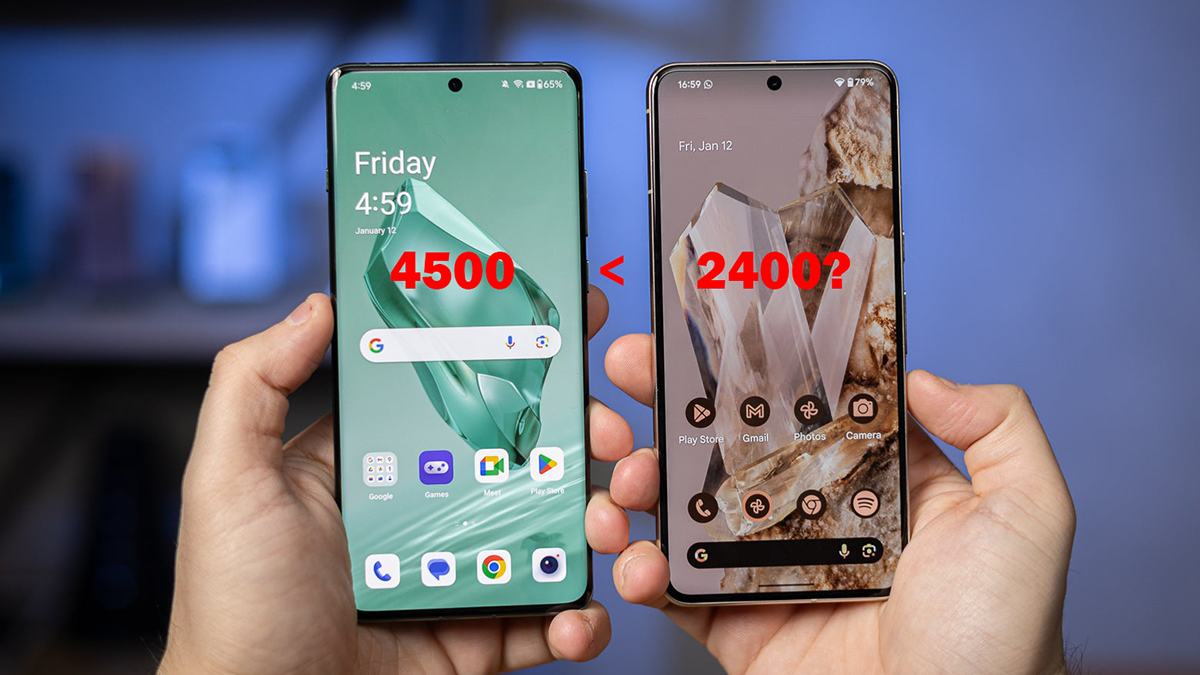
The race for peak display brightness is heating up as the OnePlus 12, Oppo Find X7 Ultra, and Realme GT5 Pro tout ultrabright 4500-nit screens, setting a new standard in smartphone display technology. These advancements are made possible through collaboration with BOE and the use of LTPO 4.0 technology, offering high peak brightness, granular refresh rates, and superior HDR performance. While the 4500-nit claim may be achieved under specific lab conditions, the higher peak brightness contributes to better outdoor visibility and marks a high-quality modern LTPO panel, signaling a new frontier in smartphone display competition.
BOE showcased a 45-inch 8K smart cockpit screen at CES 2024, which integrates the driver panel, central control, and passenger panel into a single display, debuting in the Geely Galaxy E8 electric sedan. The screen offers near-retina level display with 8K resolution, touch integration, reduced weight and thickness, and operates independently in sections. Additionally, BOE unveiled a 45-inch 9K Oxide Mini LED in-vehicle one-piece screen with increased resolution and lower power consumption. Geely aims to target budget-sensitive mainland motorists with the debut of the Geely Galaxy E8, intensifying competition in the EV market in China.
Despite caution from the Bank of England (BoE) and the European Central Bank (ECB) regarding interest rates, both stocks and bonds have experienced gains.