Meghan Markle’s lifestyle brand As Ever saw a year-on-year decline in website traffic in October 2026, though an anonymous source claims sales increased. The brand is pursuing global expansion despite losing its Netflix partnership.
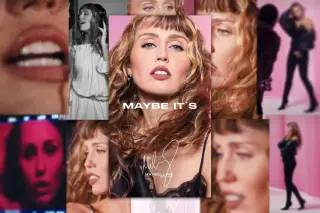
Maybelline New York has retired its iconic 1991 tagline, replacing 'Maybe she’s born with it, maybe it’s Maybelline' with 'Maybe. We’re born with it. Maybe. It’s Maybelline.' The update, unveiled in a campaign starring Miley Cyrus, swaps 'she' for 'we' and adds full stops to shift the tone from ambiguity to a statement of possibility. While the brand argues this modernizes the message for self-expression, critics and industry experts argue the new punctuation creates confusion and destroys the original slogan's rhythm.
Maybelline New York has retired its 35-year-old tagline, 'Maybe she's born with it, maybe it's Maybelline,' replacing it with 'Maybe. We're born with it. Maybe. It's Maybelline.' The change, which swaps 'she' for 'we' and adds full stops after each 'maybe,' aims to shift the tone from ambiguous questioning to confident possibility. While the brand argues this modernizes the message for self-expression, critics and industry experts argue the new punctuation creates confusion and destroys the original slogan's rhythm. The campaign features global ambassador Miley Cyrus and was announced by L'Oreal-owned Maybelline, which previously retired the slogan in 2015 before bringing it back in 2024 due to high consumer recall.
The Lego Group has appointed Kelsey Gray Sherman as its first head of celebrity talent and brand-first partnerships. Based in Los Angeles, Sherman will report to Jill Wilfert, senior vice president of Entertainment, Partnerships & Content. The move signals a strategic shift toward deepening Lego’s presence in entertainment and culture beyond traditional licensing. Sherman previously served as a vice president at WME, where she managed talent partnerships for major global brands including McDonald’s, Visa, and Amazon. Her role involves identifying opportunities for collaborations that extend beyond standard product tie-ins, aiming to create fresh, authentic connections with audiences through distinctive brand and talent integrations.
The Lego Group has appointed Kelsey Gray Sherman as its first head of celebrity talent and brand first partnerships. Based in Los Angeles, Sherman will report to Jill Wilfert and focus on expanding Lego’s presence in entertainment and culture beyond traditional licensing.
YouGov data indicates Corona is the most popular beer in the US with a 60% positive rating, surpassing Guinness and Budweiser. The brand's success is attributed to its long history, distinct clear bottle design, and marketing that associates the drink with tropical relaxation. Corona has been the world's most valuable beer brand for three consecutive years.
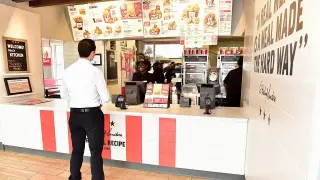
KFC has opened a prototype restaurant called 'Open House' in McKinney, Texas, to test a modernized brand experience. The concept blends Art Deco aesthetics with digital ordering and expanded menus, including breakfast and late-night options. KFC U.S. President Catherine Tan-Gillespie stated the goal is to make the brand relevant in daily eating decisions while preserving its core identity.
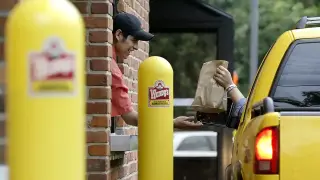
Wendy's is reintroducing its iconic yellow packaging for fries, nuggets, burgers, and Frostys starting September 28, 2026, in response to years of fan requests. The change, which continues through 2027, marks a return to the brand's original color scheme from its 1969 launch in Columbus, Ohio, replacing the red and white look adopted in recent years. This move aligns with a broader industry trend of nostalgia-driven marketing, similar to retro campaigns by Pizza Hut and Taco Bell, though critics note that some customers also desire a return to older food quality standards.
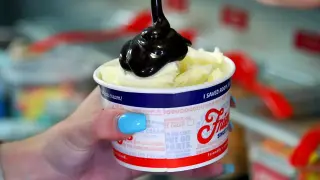
The casual dining chain Friendly's has reduced its footprint from a peak of 850 locations to just 87 across 11 Eastern states. While the brand faces significant contraction, marketing experts suggest nostalgia could aid revival if the chain modernizes its menu and dining experience.
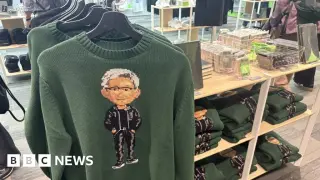
Major technology and defense firms are increasingly selling branded clothing, using exclusivity and limited releases to build brand loyalty and manage public perception. Nvidia’s apparel, featuring CEO Jensen Huang, sells out rapidly at conferences, while competitors like OpenAI and Anthropic offer limited online drops or pop-up events. Critics argue this strategy helps controversial companies like Palantir reframe their image as 'lifestyle brands,' though supporters view the merchandise as a symbol of alignment with innovative, high-impact industries.
Kraft Heinz CEO Steve Cahillane has announced a $700 million investment strategy aimed at revitalizing the company's established brands through innovation and marketing rather than drastic rebranding. The plan focuses on refreshing pantry staples to appeal to a new generation of consumers while maintaining the core identity of the products.
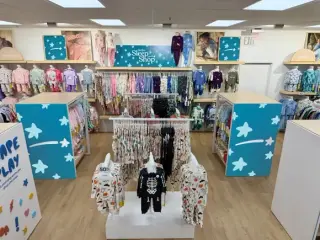
Carter’s has launched a comprehensive brand refresh centered on the 'Watch Them Glow' campaign, aiming to reconnect with Gen Z and millennial parents. The overhaul features a new logo, a revamped social media strategy, and a focus on child self-expression. This move follows a period of financial restructuring, including store closures and leadership changes, as the 161-year-old brand seeks to reverse a 50% stock decline and capitalize on recent sales growth.
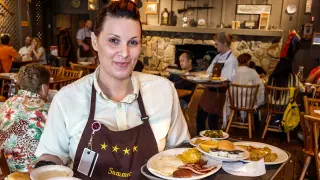
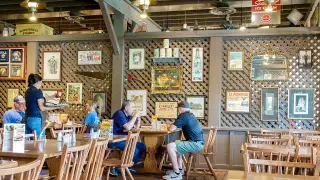
Loyal Cracker Barrel customers are urging the chain to reinstate discontinued items like the Sunrise Sampler and black-eyed peas, citing high costs and emotional attachment. While the company recently suspended remodels and reversed its logo change, fans argue that removing core comfort foods without clear communication alienates the base that built the brand. The demand highlights a tension between operational efficiency and preserving the nostalgic experience that defines the restaurant's identity.
Cracker Barrel CEO Julie Masino will step down on August 10, 2026, with David Deno succeeding her. Masino, who led the chain since 2023, will remain as an advisor until October 9. Her departure follows a year-long crisis triggered by a logo redesign that removed the 'Old Timer' figure, sparking intense political backlash and a significant drop in same-store sales. Although recent quarters showed improved financial trends and a raised profit forecast, the leadership change signals a definitive end to the modernization strategy that alienated core customers.
Cracker Barrel is exiting its Maple Street Biscuit Company business and selling real estate to reduce debt, while CEO Julie Masino steps down in favor of David Deno. The chain has raised its fiscal 2026 financial outlook, signaling a successful pivot back to its core brand after a period of customer backlash.