Tag

Cancer Mortality

All articles tagged with #cancer mortality

Brief movement breaks tied to lower cancer mortality in large UK study
health3 days ago

Brief movement breaks tied to lower cancer mortality in large UK study

In a 12-year follow-up of 91,292 UK adults, breaking up prolonged sitting with light to moderate activity was linked to lower cancer death risk. Replacing one hour of sitting with light activity reduced risk by 12%, 30 minutes of moderate activity by 8%, and five minutes of vigorous activity by 22%. The study is observational and cannot prove causality, but researchers note that regular movement breaks (every 30–60 minutes) can contribute to cancer prevention alongside other healthy habits.

Brief daily movement breaks may cut cancer mortality linked to long bouts of sitting
health6 days ago

Brief daily movement breaks may cut cancer mortality linked to long bouts of sitting

Analysis of UK Biobank data links long, uninterrupted sitting (30+ minutes) to higher cancer mortality, while breaking up sitting with brief light activity is associated with a lower risk—a relative reduction of up to about 20%. The study shows correlation, not causation; reverse causation and confounding could explain results. Regular exercise remains important, but short, frequent movements (standing/walking 1–2 minutes every 20–30 minutes) may improve risk at the population level. Absolute risk changes are modest; findings may not generalize to all groups due to selection in UK Biobank and the short measurement window. Still, adding small bursts of movement is a practical, low-effort step for better health.

Small Movement Breaks Linked to Lower Cancer Death Risk, UK Study Finds
health10 days ago

Small Movement Breaks Linked to Lower Cancer Death Risk, UK Study Finds

A UK Biobank study of more than 91,000 participants followed for about 12 years found that sitting or lying down for more than 30 minutes at a time daily is associated with a higher risk of cancer death, with each extra hour of prolonged inactivity raising cancer mortality by about 10%. Replacing long sedentary spells with movement reduces risk: about 12% lower when an hour of inactivity is swapped for light activity, ~8% lower for 30 minutes of light-to-moderate activity, and ~22% lower for five minutes of vigorous activity. The study is observational, so causation can’t be proven, but breaking up sitting time with short movements (e.g., a quick walk) could be protective and may inform personalized guidance in the future.

Tiny Breaks, Big Impact: Light Activity Cuts Cancer Risk
health12 days ago

Tiny Breaks, Big Impact: Light Activity Cuts Cancer Risk

A UK Biobank study following about 90,000 volunteers for a median of 12 years links prolonged sedentary bouts (30 minutes with little movement) to higher cancer incidence and mortality, while breaking up sitting with light activity lowers risk—about a 12% reduction in cancer death per extra hour replaced by light activity and up to 22% with short bursts of vigorous exercise. While observational and not proof of causation, the findings support guidelines that emphasize breaking up sitting time and show that even light movement can meaningfully benefit health.

Nationwide Patterns Link Proximity to Nuclear Plants with Higher Cancer Mortality in the U.S.
science4 months ago

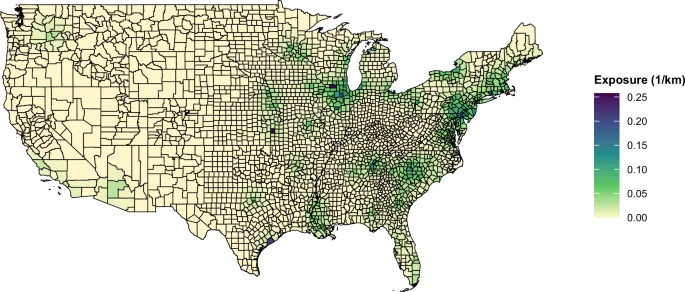
Nationwide Patterns Link Proximity to Nuclear Plants with Higher Cancer Mortality in the U.S.

A nationwide ecological study (2000–2018) finds that U.S. counties closer to operational nuclear power plants have higher cancer mortality, with strongest effects among older adults. Using a continuous inverse-distance proximity metric within 200 km and generalized estimating equation Poisson models that adjust for covariates, researchers estimate cancer deaths attributable to plant proximity and highlight the need for further exposure–response research, while acknowledging limitations in causal inference and the ecological study design.

Colorectal cancer becomes the top cancer killer for people under 50, ACS finds
health5 months ago

Colorectal cancer becomes the top cancer killer for people under 50, ACS finds

A American Cancer Society analysis shows cancer deaths in people under 50 declined 44% from 1990 to 2023, driven by big drops in cancers like lung cancer, but colorectal cancer deaths rose among younger adults and, in 2023, colorectal cancer was the leading cause of cancer death in that age group. Alabama data mirrors the national trend with a small drop in overall under‑50 cancer mortality from 2018–2022 but a rise in colorectal cancer deaths; researchers emphasize awareness and increased screening to catch colorectal cancer earlier, especially since many cases are diagnosed at advanced stages.

Colorblindness Linked to Higher Bladder Cancer Mortality, Study Finds
health5 months ago

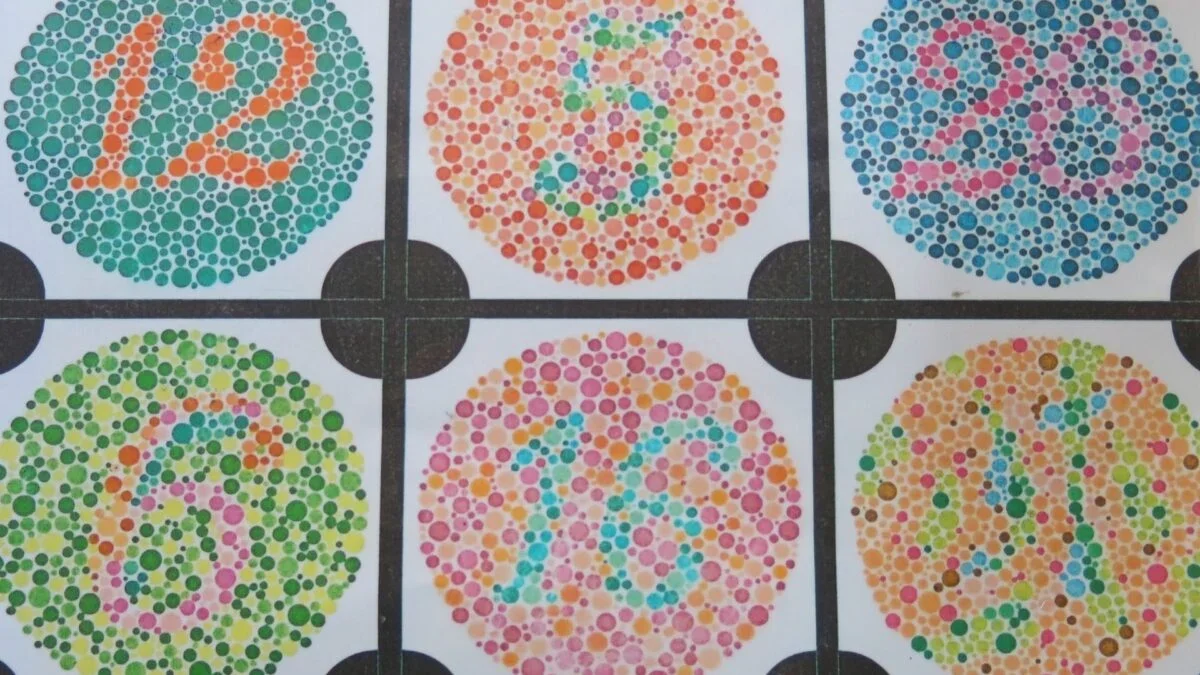
Colorblindness Linked to Higher Bladder Cancer Mortality, Study Finds

A Stanford-led analysis of electronic health records found colorblind individuals diagnosed with bladder cancer had a 52% higher risk of death over 20 years compared with non-colorblind patients, possibly because they don’t notice blood in urine—the key early sign—while no mortality difference was observed for colorectal cancer. The authors stress this is hypothesis-generating and call for further research and awareness about diagnostic cues and potential screening considerations for color vision deficiency.

Colorectal cancer rises to No. 1 cancer killer for Americans under 50
health5 months ago

Colorectal cancer rises to No. 1 cancer killer for Americans under 50

An analysis of nearly 1.3 million cancer deaths in Americans under 50 from 1990–2023 shows colorectal cancer is now the leading cancer killer in this group, with deaths increasing about 1% annually since 2005 while overall under-50 cancer deaths have fallen about 44% since 1990. Other top cancers declined, making the colorectal rise an outlier. Possible contributors include obesity, inactivity, diet, and microbiome changes, but the exact cause is unclear. The study underscores the importance of awareness and screening, with USPSTF guidance now recommending universal screening starting at 45 (earlier for high-risk groups), and noting roughly half of under-50 cases occur at ages 45–49.

Colorectal cancer emerges as a rising threat among under-50s amid overall cancer drops
science5 months ago

Colorectal cancer emerges as a rising threat among under-50s amid overall cancer drops

A American Cancer Society study published in JAMA finds that cancer death rates for people under 50 have dropped 44% from 1990 to 2023, driven by declines in breast cancer, leukemia, and especially lung cancer. However, colorectal cancer deaths in this age group have risen, making CRC the leading cancer killer under 50 by 2023. Experts cite possible factors like diet, obesity, and environmental exposures and stress the role of colonoscopy screening—ACS recommends starting regular screenings at age 45—in preventing deaths, though uptake in ages 45–49 remains a key target for reducing early-onset CRC.

Reduced Screening Linked to Increase in Advanced Prostate Cancer Cases
health10 months ago

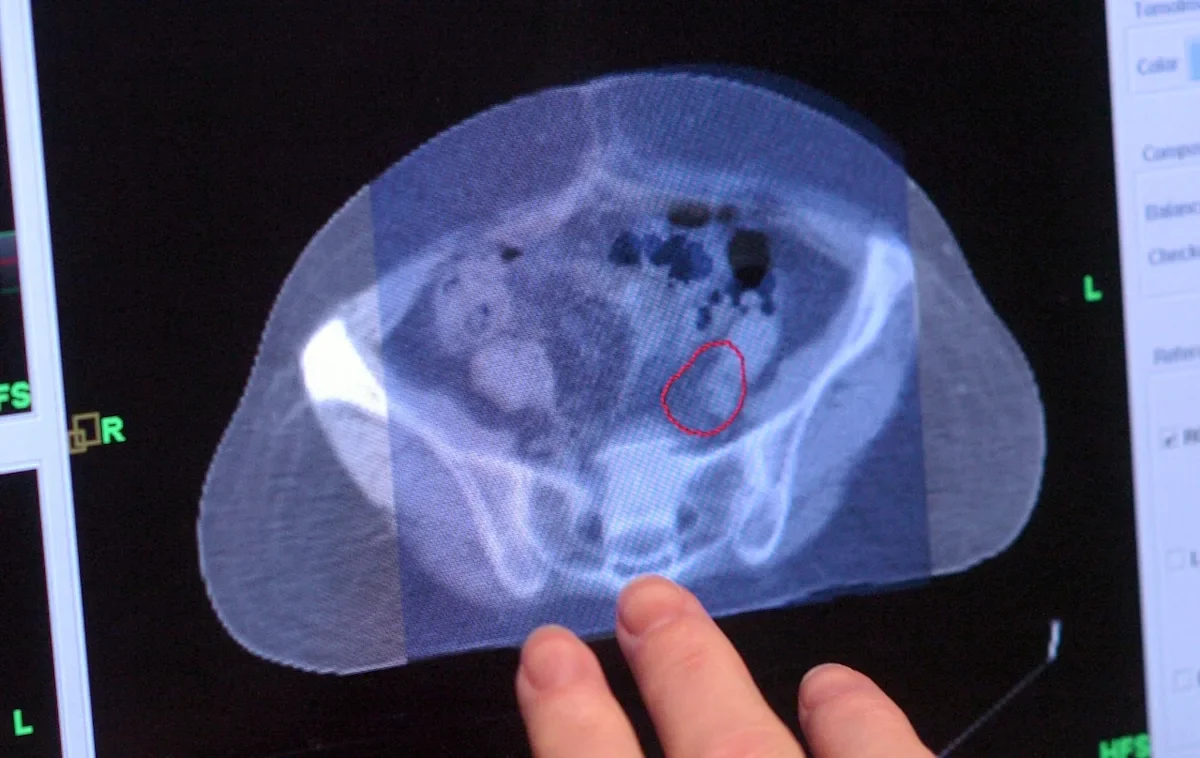
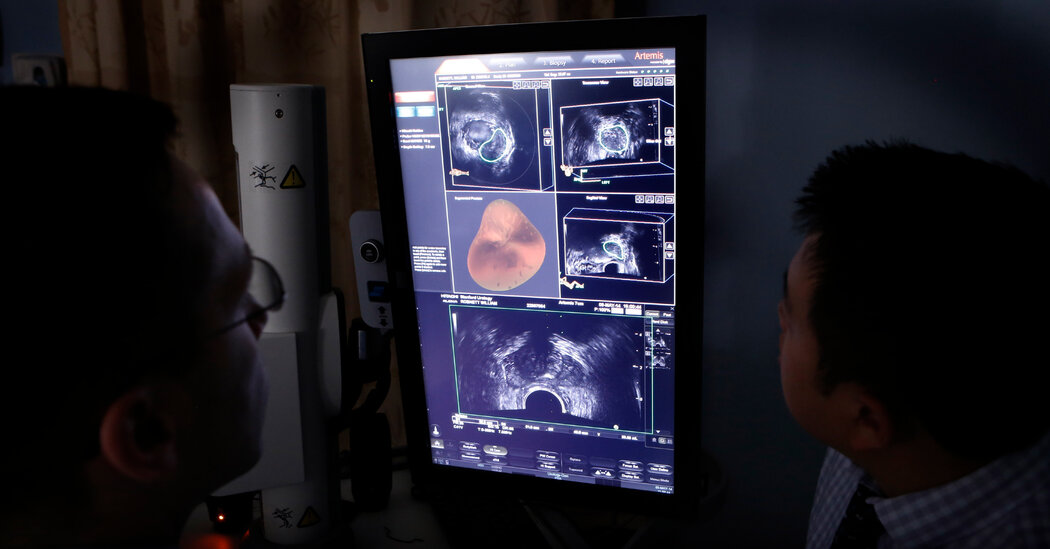
Reduced Screening Linked to Increase in Advanced Prostate Cancer Cases

A recent study suggests that reduced prostate cancer screening over a decade ago may have led to an increase in advanced-stage diagnoses, with persistent racial disparities showing higher incidence and mortality rates among Black men. The findings highlight the challenge of balancing screening guidelines to prevent both over-treatment and missed diagnoses.

"Rising Concern: The Surge of Cancer Cases Among Younger Americans in 2024"
health2 years ago

"Rising Concern: The Surge of Cancer Cases Among Younger Americans in 2024"

The American Cancer Society projects a record 2 million new cancer cases in the U.S. in 2024, with incidences of six out of the top 10 cancers expected to rise. The aging population is a significant factor in these trends, with a decrease in cancer incidences among older adults and a rise in cases among people under 50. Lung cancer remains the deadliest type of cancer, and the pandemic's impact on cancer care and prevention, particularly among communities of color, is a concern. Despite progress in reducing cancer mortality, disparities in access to screenings and preventive services persist.

"Rising Concern: The Surge of Cancer Cases Among Younger Americans in 2024"
health2 years ago

"Rising Concern: The Surge of Cancer Cases Among Younger Americans in 2024"

The American Cancer Society projects a record 2 million new cancer cases in the U.S. in 2024, with incidences of six out of the top 10 cancers expected to rise. The aging population is a significant factor in these trends, with a decrease in cancer incidences among older adults and a rise in cases among middle-aged and younger adults. Lung cancer remains the deadliest type of cancer, and the impact of the COVID-19 pandemic on cancer care and prevention, particularly among communities of color, is a concern. Despite progress in reducing cancer mortality, disparities in access to screenings and preventive services persist, with millions of uninsured individuals unable to access potentially lifesaving tests.

"Vitamin D Intake Linked to Lower Cancer Death Rates"
health3 years ago

"Vitamin D Intake Linked to Lower Cancer Death Rates"

Regular daily intake of Vitamin D, particularly in individuals over 70 and those with a Vitamin D deficiency, may reduce cancer mortality by 12%, according to a meta-analysis of 14 high-quality studies conducted at the German Cancer Research Center. The study found that the effect was most significant when vitamin D intake started before a cancer diagnosis. Vitamin D deficiency is prevalent among cancer patients, and supplementation with daily low doses of Vitamin D3 is associated with minimal risk and low cost.