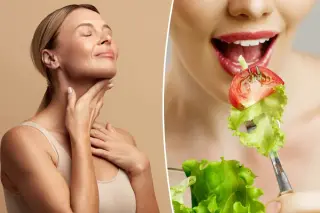
A recent study suggests plant-based diets can boost attractiveness by improving facial color through carotenoids, enhancing body odor, and aiding favorable body composition, framing vegan eating as a vanity-forward angle to encourage more people to switch from meat.
A University of Western Australia study used computer-generated male figures varying in height, body shape and penis size; women tended to rate larger penises and more pronounced physiques as more attractive, while men perceived such traits as more threatening, suggesting penis size acts as a status cue in sexual competition with evolutionary underpinnings, across diverse samples in heterosexual cis contexts.
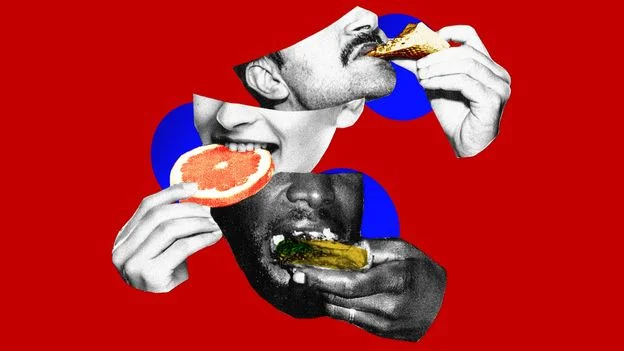
The article explores how various foods influence body odour and attractiveness, highlighting that foods like garlic, vegetables, and meat can alter scent through chemical compounds, with some surprising effects such as garlic increasing armpit attractiveness despite causing bad breath. It emphasizes that diet, genetics, and health all play roles in body scent, which can impact social perceptions.
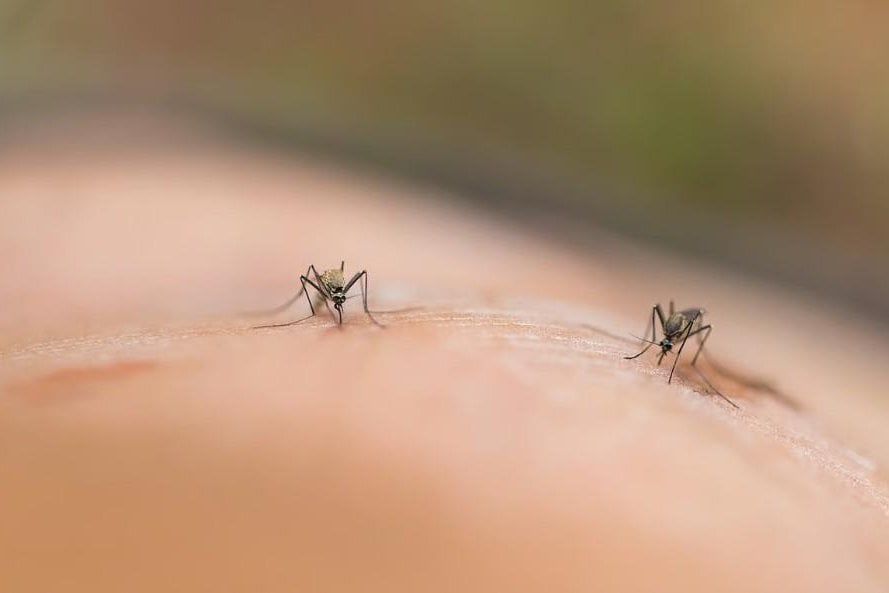
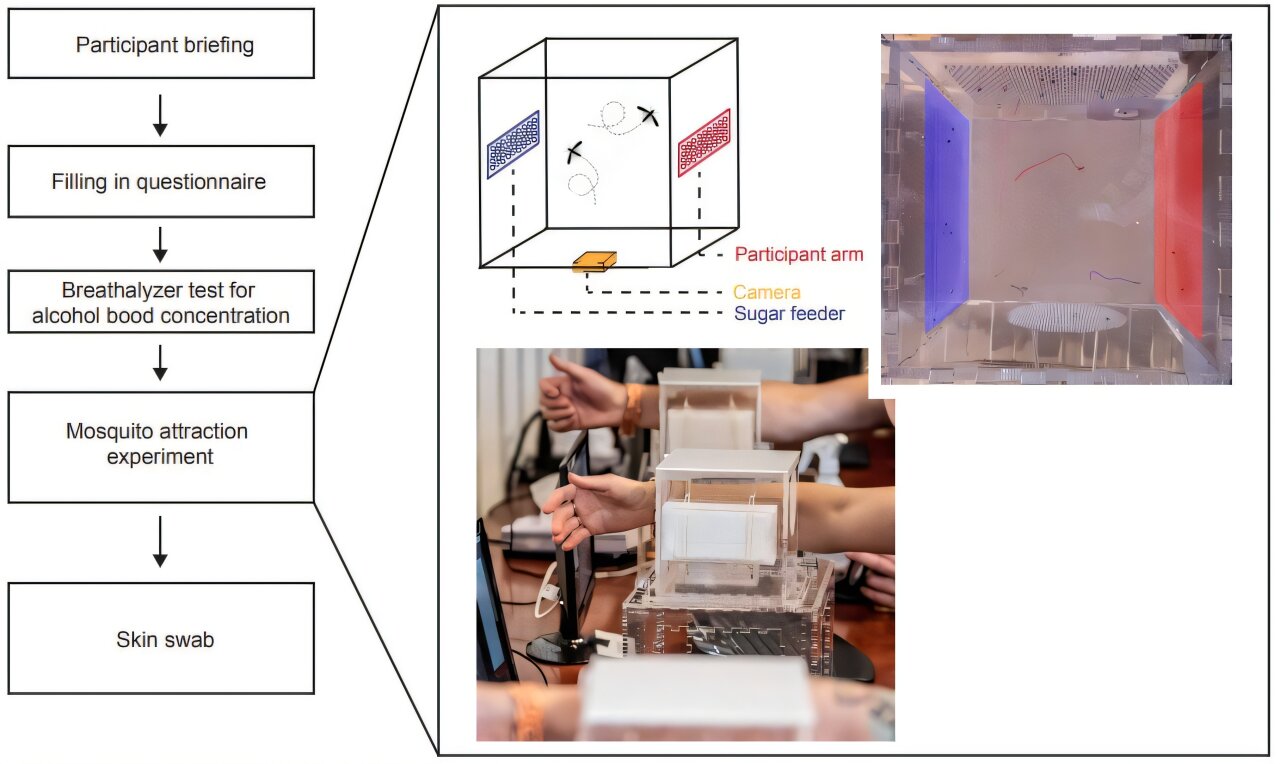
A study conducted at a Dutch music festival found that habits such as drinking beer or cannabis, and sleeping near others, increase attractiveness to mosquitoes, while applying sunscreen can reduce it. The research involved over 500 volunteers and highlighted behaviors that influence mosquito bites, suggesting practical tips for prevention.
A study at a Dutch music festival found that people who drank beer, shared a bed, or avoided sunscreen were more attractive to mosquitoes, highlighting factors that influence mosquito biting preferences and potential ways to reduce bites for public health benefits.
Scientists have identified several factors that make some people more attractive to mosquitoes, including higher CO2 production, lactic acid, dark clothing, body heat, and blood type O, although the role of blood type remains controversial. These insights help explain why certain individuals are bitten more often and highlight the complexity of mosquito attraction.
Research shows women first notice a man's lips, jawline, and cheekbones when assessing attractiveness, and they evaluate faces in a two-step process that involves both physical features and overall trustworthiness, with split images affecting their trust but not their attraction.
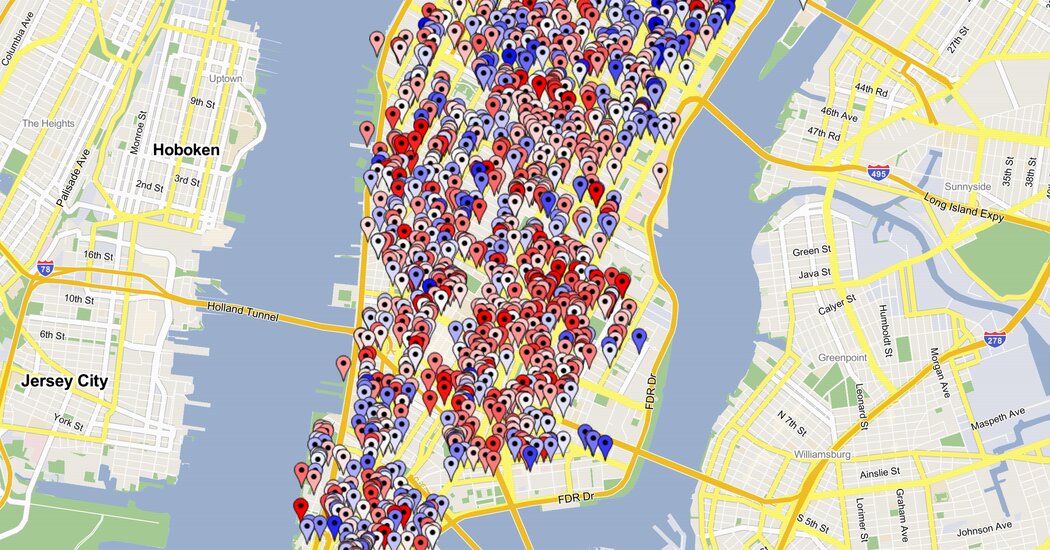
LooksMapping is an AI-powered website that rates the attractiveness of restaurant diners in major US cities, creating a heat map that shows how 'hot' the crowds are at various eateries, rather than focusing on food quality.
The article discusses how people often mistake physical attraction and acts of kindness for romantic chemistry, highlighting the role of brain activity in these perceptions. Attractiveness can activate brain regions associated with reward and motivation, while kindness can trigger oxytocin release, both mimicking feelings of romantic connection. However, these reactions can occur independently of genuine chemistry, and it's important not to confuse them with true romantic interest.
A study conducted in France found that people who ate a breakfast high in refined carbohydrates were rated less attractive than those who consumed healthier unrefined carbs, possibly due to changes in blood sugar and insulin affecting skin appearance. The research involved 52 men and 52 women who were assigned to eat either refined or unrefined carb-rich breakfasts, with the former leading to decreased facial attractiveness for both genders. The study highlights the impact of dietary choices not only on health but also on traits like facial attractiveness, emphasizing the need to limit consumption of refined carbohydrates for overall well-being.
A survey conducted by behavioral scientists at the Federal University of Rio Grande do Norte in Brazil suggests that men who drive expensive cars are perceived to have higher mating value and positive attributes. The majority of respondents, both male and female, viewed men driving luxury vehicles as more socially dominant, competent, and intelligent. Luxury car owners also reported higher self-confidence and perceived themselves to have higher social status and mating value.
Professional makeup artist Jennifer Belle has shared three easy beauty tricks on TikTok that she claims will make anyone look significantly more attractive. The tricks include the "rock star effect" of smudging black eyeliner and bronzer on the waterline, the "crescent moon effect" of applying bronzer in a crescent moon shape from the temple to the cheek and highlighting the center, and the "heart effect" of using lipliner to draw a heart shape on the top lip. Belle's tips have garnered praise from viewers who were impressed by the simple yet transformative results.
A study from Florida State University suggests that female animals can learn from their elders or peers when it comes to choosing mates. The research proposes that female animals can copy the mate choices of more experienced females and develop a preference for distinctive males, shedding light on the factors influencing sexual selection and attractiveness in the animal kingdom.
A recent study conducted by Florida Atlantic University has found that middle school can be particularly challenging for adolescents who are not considered attractive or good at sports. The longitudinal study, which involved nearly 600 students aged 10 to 13, revealed that those who were deemed unattractive or unathletic faced punishment from their peers. The research also highlighted that this punitive effect was observed in both boys and girls. Despite efforts to promote body acceptance, the study suggests that the adolescent social world can still be unforgiving. However, some critics argue that categorizing middle school students based on attractiveness and athleticism may have influenced the study's outcomes.
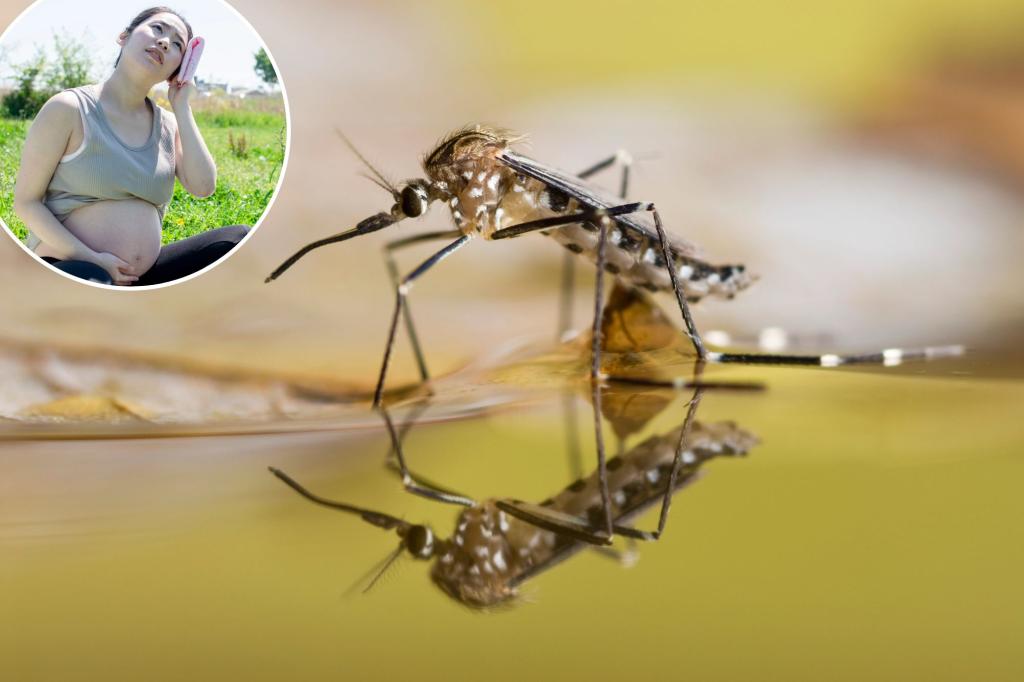
A new video by the American Chemical Society explains why some people are more attractive to mosquitoes than others. Research has found that people with higher levels of carboxylic acids on their skin, specifically pentadecanoic, heptadecanoic, and nonadecanoic acids, are more likely to be bitten. These acids are associated with the intake of dairy fat and are found in fat and vegetable oils. Additionally, the type and volume of bacteria on the skin can increase the chance of mosquito bites. Other factors that make individuals more attractive to mosquitoes include exercise, sweat production, carbon dioxide emission, pregnancy, genetics, and blood type. To avoid mosquito bites, experts recommend wearing bug repellent, covering exposed areas, and using topical treatments for itch relief.