Tag

Cardiac Arrhythmia

All articles tagged with #cardiac arrhythmia

19-Year-Old Student Dies After Using Common GLP-1 Weight-Loss Drug
health13 days ago

19-Year-Old Student Dies After Using Common GLP-1 Weight-Loss Drug

A 19-year-old law student from Corona, California, died in a London dorm after taking tirzepatide, a widely prescribed GLP-1/GIP weight‑loss drug sold as Mounjaro and Zepbound. An inquest found her death was due to cardiac arrhythmia, with doctors noting a congenital heart condition (myocardial bridging) that may have contributed; vomiting could have triggered electrolyte imbalances leading to the arrhythmia. Nasr had been prescribed Zepbound by a U.S. doctor and was not obese, highlighting potential risks associated with GLP-1 therapies.


Coroner Cites Tirzepatide-Induced Electrolyte Imbalance in Student's Death
health15 days ago

Coroner Cites Tirzepatide-Induced Electrolyte Imbalance in Student's Death

British coroner Graeme Irvine linked 19-year-old Josephine Nasr’s death in London to a cardiac arrhythmia associated with congenital heart disease and electrolyte imbalance caused by tirzepatide, a weight-loss/diabetes drug she had been prescribed in California. The inquest noted nausea from tirzepatide can trigger hypoglycemia and electrolyte disturbances that provoke dangerous arrhythmias, and the autopsy found a congenital heart condition; tirzepatide is not approved for under-18s and is associated with serious GI side effects.

UK Coroner Ties Tirzepatide to Death of California Law Student
health15 days ago

UK Coroner Ties Tirzepatide to Death of California Law Student

A British coroner ruled that tirzepatide contributed to the death of Josephine Nasr, a 19-year-old American law student at the University of East London, finding that a cardiac arrhythmia linked to a congenital heart condition and electrolyte imbalance from tirzepatide-induced hypoglycemia led to her death; an empty tirzepatide vial was found near her body, and Nasr had experienced nausea before she died. Eli Lilly warns the drug is not approved for cosmetic weight loss or for under-18 patients.

CAMEL AI Treats ECG as Language to Flag Looming Cardiac Crises
technology3 months ago

CAMEL AI Treats ECG as Language to Flag Looming Cardiac Crises

Penn researchers developed CAMEL, an AI system that analyzes hours of in-hospital ECG telemetry to forecast dangerous heart rhythms minutes before they occur, framing ECG signals like language to look for patterns that precede events. The goal is to provide earlier warnings (10–15 minutes) to improve care while avoiding false alarms, with plans to test real-time data in clinical settings and explore extending the approach to consumer wearables for broader monitoring.

"Nebraska Medicine Introduces Innovative AFib Heart Procedure"
health2 years ago

"Nebraska Medicine Introduces Innovative AFib Heart Procedure"

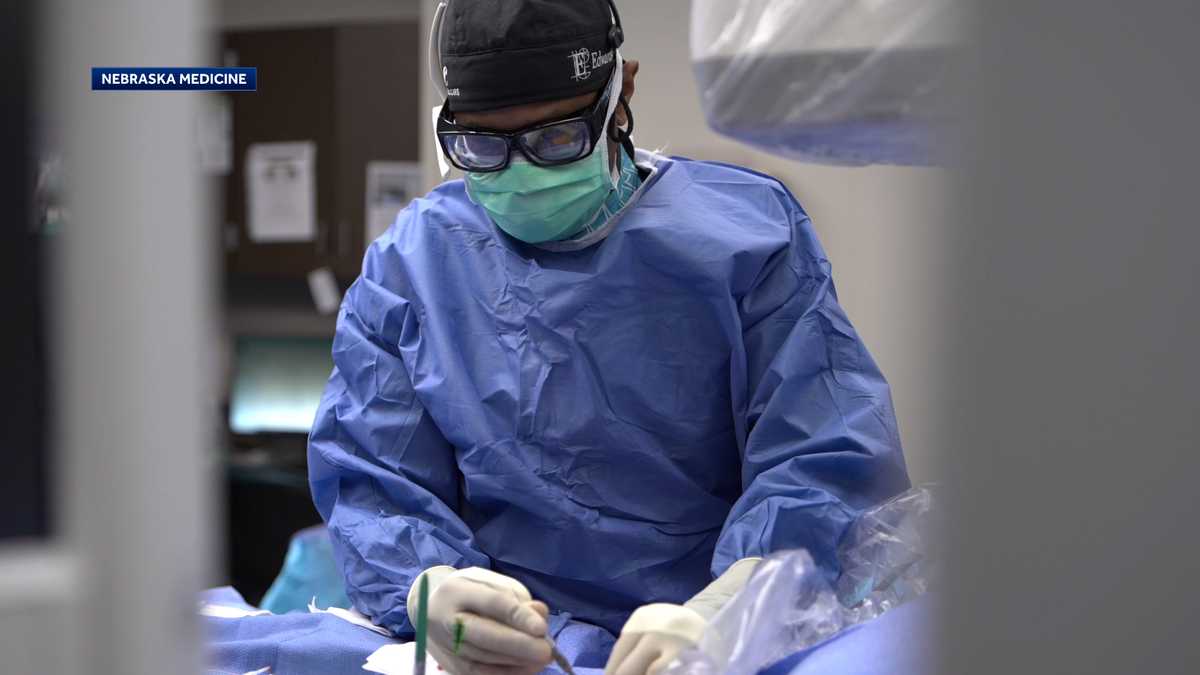
Nebraska Medicine has introduced a new heart procedure called pulsed-field ablation to treat atrial fibrillation (AFib), a condition where the heart beats irregularly. This procedure, approved by the FDA in December 2023, uses a hydrating electrical field to denature the tissue and make it electrically inactive, without the risks associated with thermal energy. Dr. Jason Payne, a cardiologist at Nebraska Medicine, highlights the safety and efficiency of this procedure, which allows patients to be discharged within a few hours and experience a quick return to normalcy. With the rising number of Nebraskans being diagnosed with AFib, the hospital aims to meet the demand for this procedure in a faster and safer manner.

"Identifying Potential Causes of Sudden Unexplained Child Deaths"
health2 years ago

"Identifying Potential Causes of Sudden Unexplained Child Deaths"

A new study has identified a potential cause of sudden unexplained death in children, pointing to a genetic mutation that affects the heart's electrical system and can lead to cardiac arrhythmia. The research sheds light on a previously unknown mechanism behind these tragic events, offering hope for improved understanding and potential preventive measures.

Light-based graphene 'tattoo' cures heart arrhythmia.
health3 years ago

Light-based graphene 'tattoo' cures heart arrhythmia.

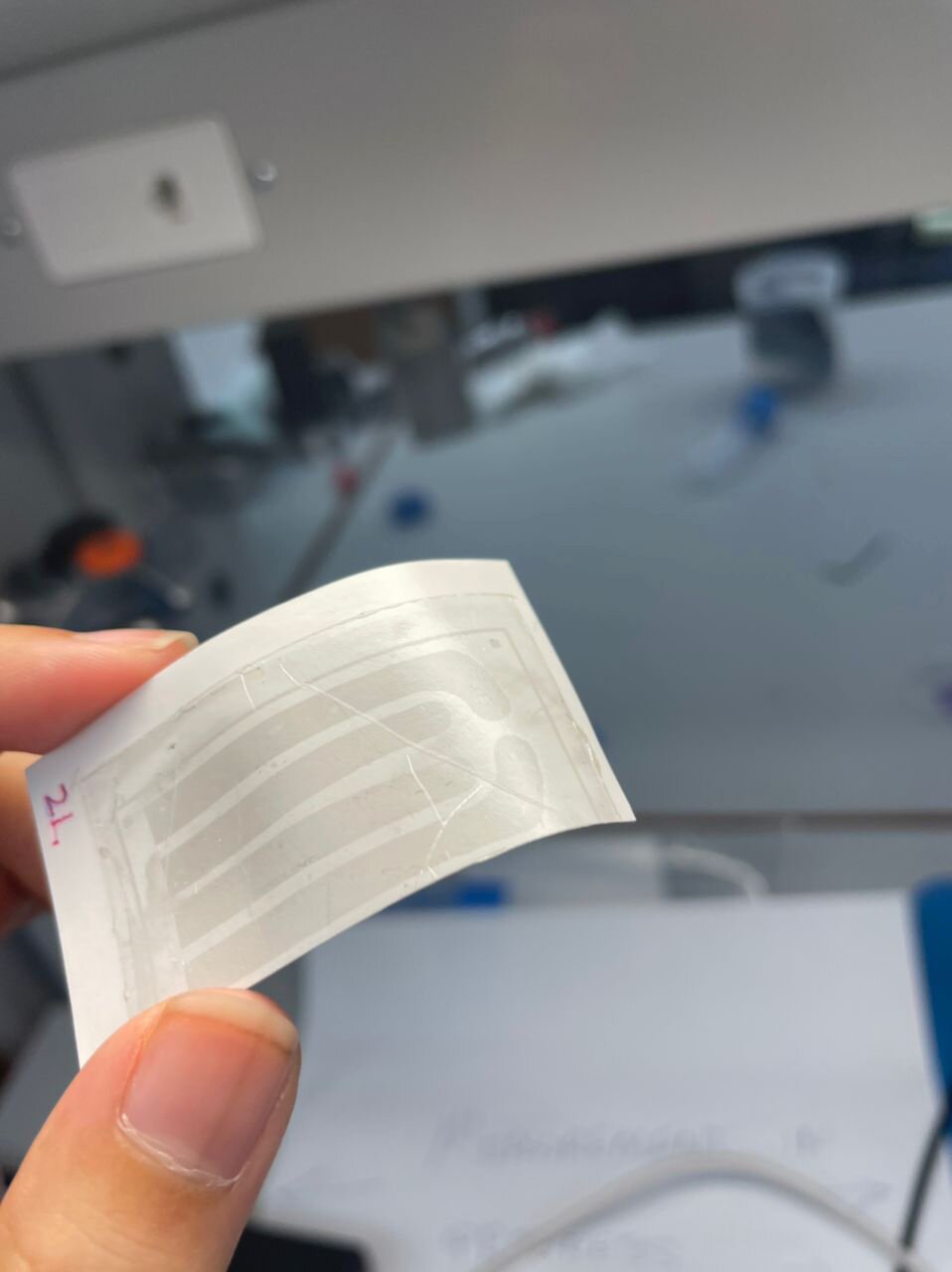
Researchers have developed a graphene "tattoo" implant that can treat cardiac arrhythmia with light. The implant is thinner than a single strand of hair and functions like a classical pacemaker. It softly merges with the heart to simultaneously sense and treat irregular heartbeats. The implant is thin and flexible enough to conform to the heart's delicate contours as well as stretchy and strong enough to withstand the dynamic motions of a beating heart. The technology is optically transparent, allowing the researchers to use an external source of optical light to record and stimulate the heart through the device.

Scientists Overcome Roadblock to Human Heart Regeneration
health3 years ago

Scientists Overcome Roadblock to Human Heart Regeneration

Scientists at the University of Washington School of Medicine have used CRISPR-based genome editing to create stem cells that do not cause dangerous arrhythmias, a major complication previously hindering stem-cell therapies for injured hearts. The team created a new line of cells called “MEDUSA,” which engraft in the heart, mature, and integrate into heart muscle without generating dangerous heart rates. This breakthrough could pave the way for safe and effective stem cell therapy for heart regeneration.