
Tag

Celestial Body

All articles tagged with #celestial body

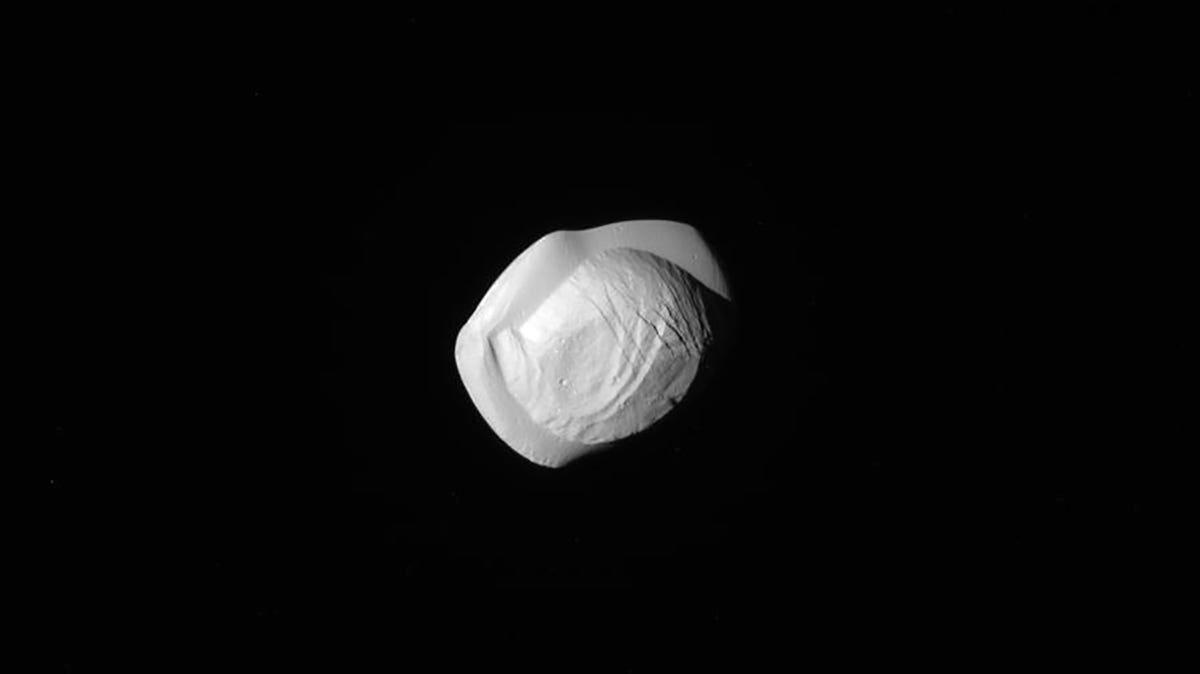
NASA's Pan Photos of Saturn Moon Spark Ravioli Comparisons
space2 years ago

NASA's Pan Photos of Saturn Moon Spark Ravioli Comparisons

NASA shared photos of Saturn's moon Pan, which has an unusual ravioli-like shape, sparking comparisons to various food dishes. The images were taken in 2017 during the Cassini spacecraft's closest encounter with Pan, revealing new details of the moon's unique features. Pan has a prominent ridge along its equator, giving it a flying saucer shape, and is believed to have formed within Saturn's rings. The moon was officially discovered in 1990 and is named after the Greek god Pan.
"Upcoming Celestial Delights: Comet Nishimura and Harvest Moon Illuminate September Skies"
astronomy2 years ago

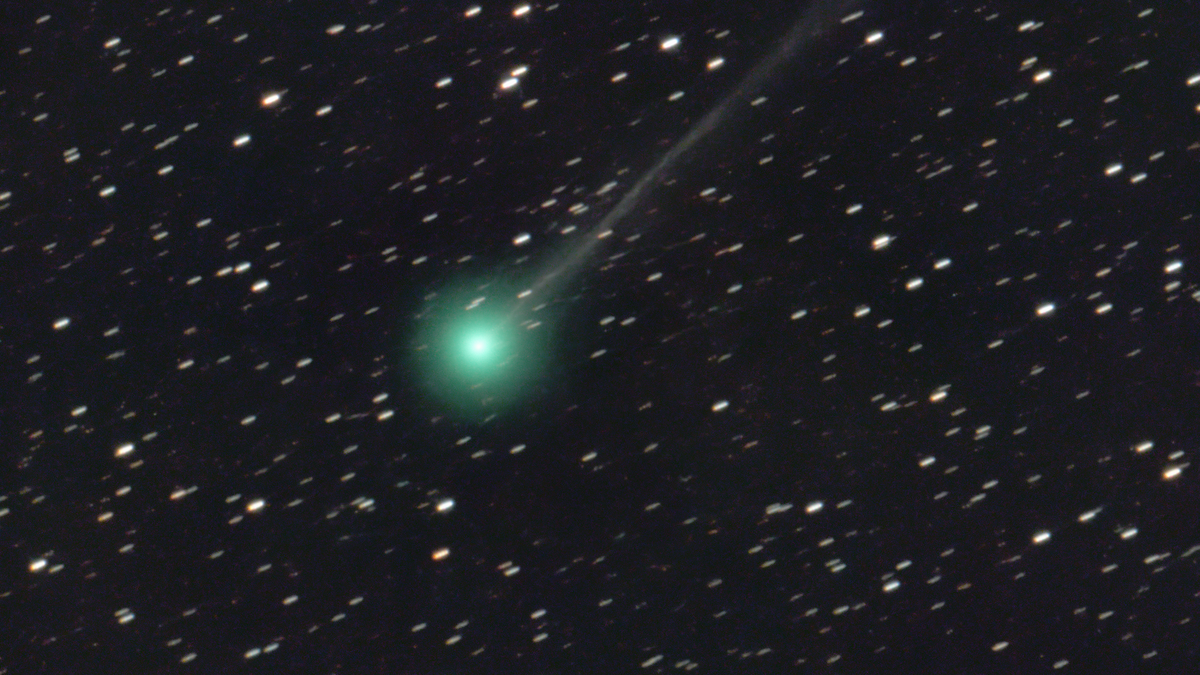
"Upcoming Celestial Delights: Comet Nishimura and Harvest Moon Illuminate September Skies"

A newly discovered comet by Japanese amateur astronomer Hideo Nishimura is gaining attention from NASA and skywatchers. Currently not visible to the naked eye, the comet is expected to increase in brightness and may become visible without telescopes in early September. However, its proximity to the Sun means it will be best seen during sunset or sunrise. The comet will appear in the constellation Cancer until September 7, but its visibility will diminish as it gets closer to the Sun. Tools like telescopes or binoculars may be needed for the best views, but there's hope that they won't be necessary. The comet's perihelion, its closest approach to the Sun, is predicted for September 17, and there's a possibility that its nucleus could disintegrate due to the intense solar heat.

"The Tunguska Event: Unveiling the Threat of Near-Earth Objects"
science-and-space2 years ago

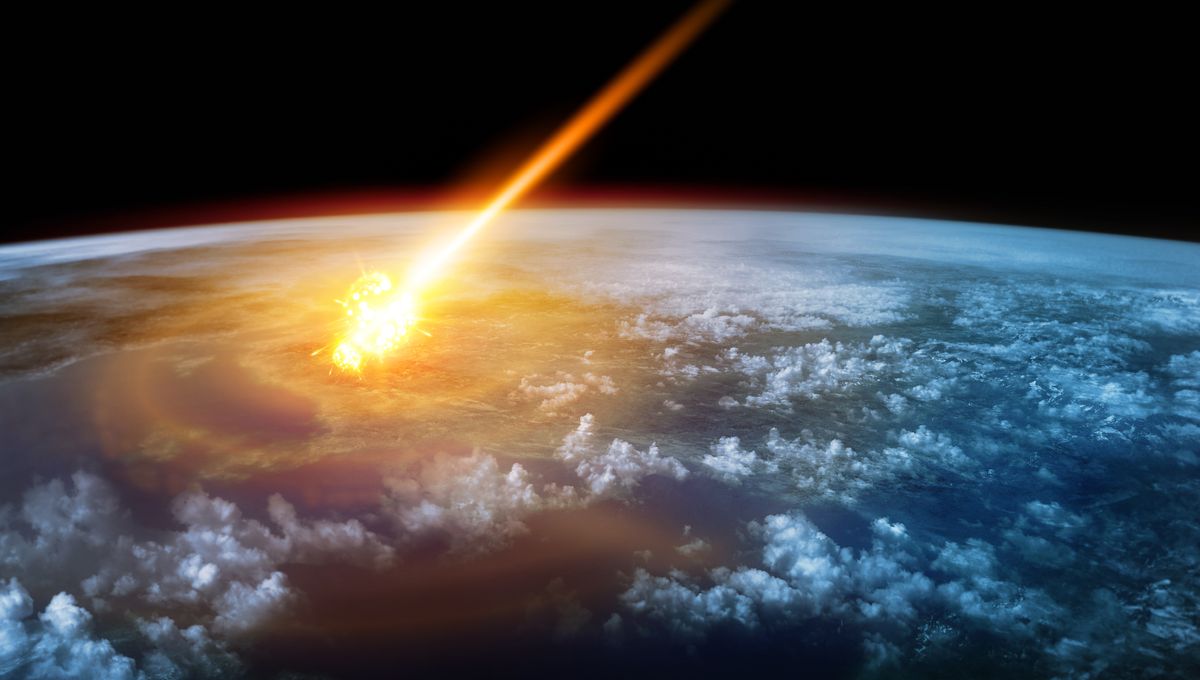
"The Tunguska Event: Unveiling the Threat of Near-Earth Objects"

The Tunguska Event, which occurred 115 years ago in Siberia, remains a fascinating and mysterious event. An explosion caused by a celestial body disintegrating over the Podkamennaya Tunguska River flattened 2,150 square kilometers of forest, equivalent to 80 million trees. The impact left no crater but generated a shockwave that shook the planet and registered on airwaves and seismic stations. The leading hypothesis suggests a stony asteroid experienced a meteor airburst, exploding high in the atmosphere. Eyewitness accounts describe the experience of a hot wind blowing, consistent with the observed shockwave.