automotive-industry19.78 min read
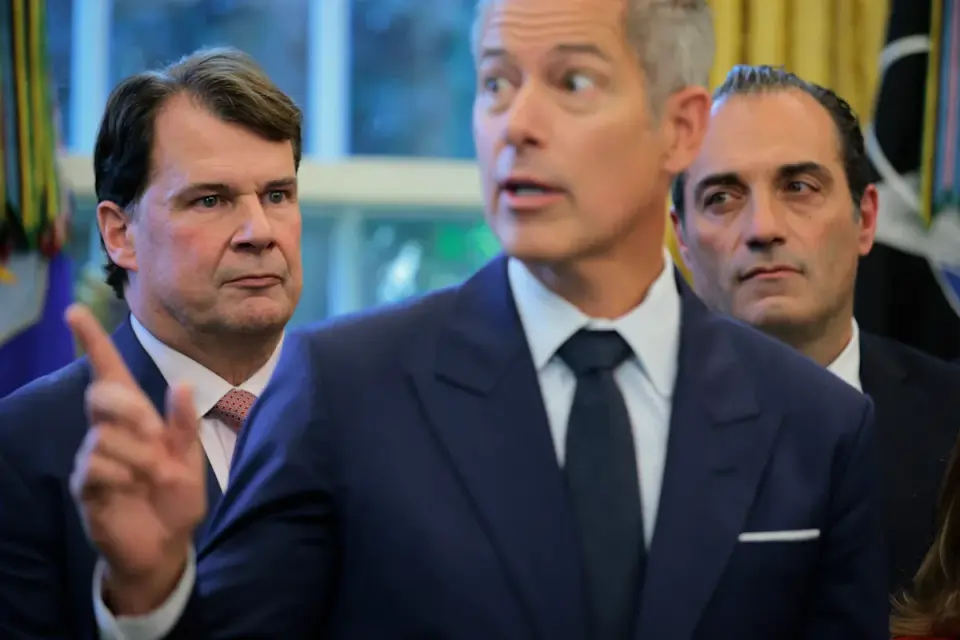
Ford pushes back on White House critique of China tech partners, calls Duffy letter wrongheaded
1 month ago•Source: Yahoo Finance

The latest automotive industry stories, each synthesized from multiple sources with added background and context.
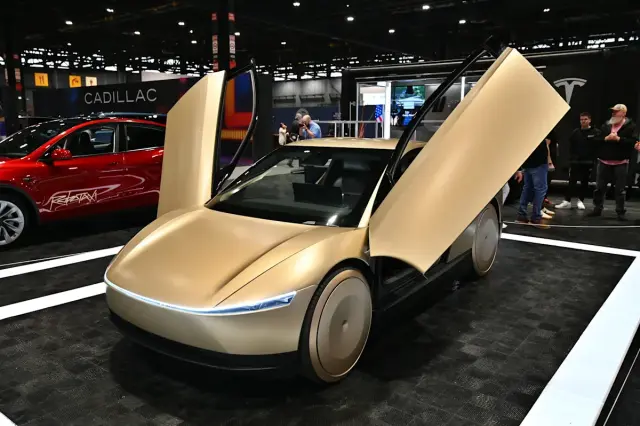
Tesla is set to unveil its production Cybercab robotaxi in Austin—a two-seat, steering-wheel-and-pedal-free EV that runs on its Full Self-Driving software—with analysts predicting a Texas-scale rollout could lift the stock if a meaningful fleet is deployed (Morgan Stanley suggests 25–50 Cybercabs across Texas). Nevada approved up to 5,000 autonomous Teslas in Las Vegas, underscoring the robotaxi drive, while investors weigh whether Tesla’s camera-based approach can scale versus Waymo’s sensor fusion. The market is watching unit economics, scale commitments, and the sales motion.
CleanTechnica•3 months ago
InsideEVs •2 years ago
Toyota Motor Corp. admitted to cheating on vehicle certifications for seven models through falsified safety tests, leading to halted shipments of three models and impacting approximately 1.7 million vehicles. This adds Toyota to the list of Japanese automakers involved in misconduct, prompting the Transport Ministry to conduct on-site inspections for potential administrative action.
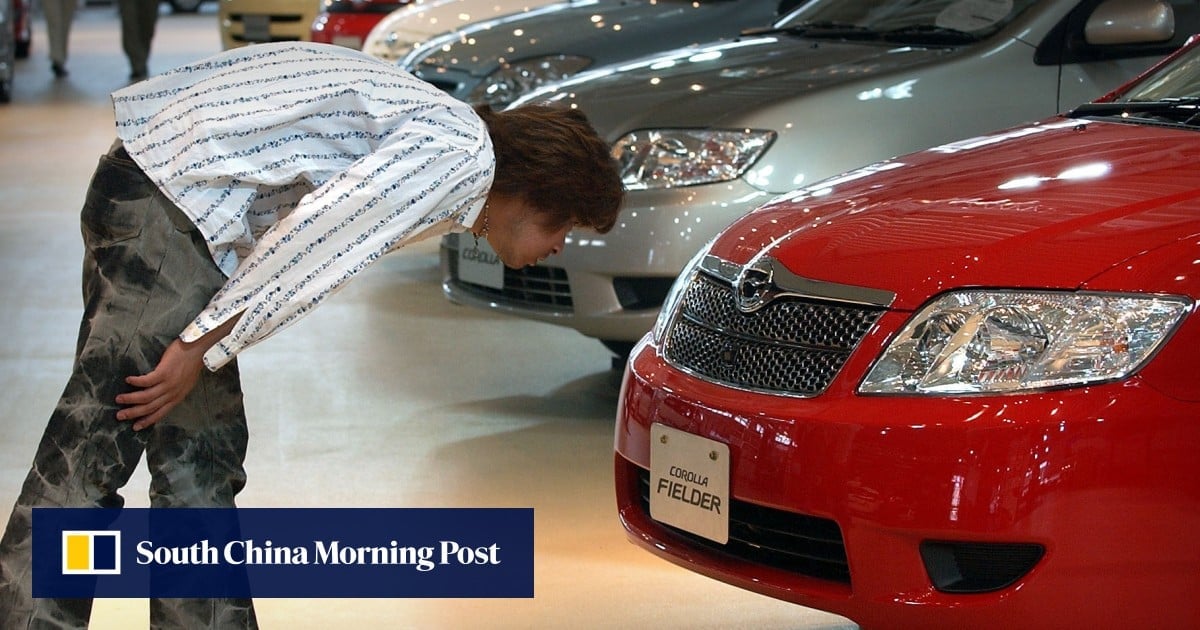
Japan's car safety scandal has intensified as Toyota halts the sale of three car models due to falsified safety data. Other major automakers, including Honda, Mazda, Yamaha, and Suzuki, are also implicated in the scandal. The Japanese transport ministry has identified 32 vehicles with incorrect certifications and is conducting an on-site investigation at Toyota's headquarters. The scandal has led to a significant drop in the shares of the involved companies and a deepening crisis of trust in Japan's automotive industry.
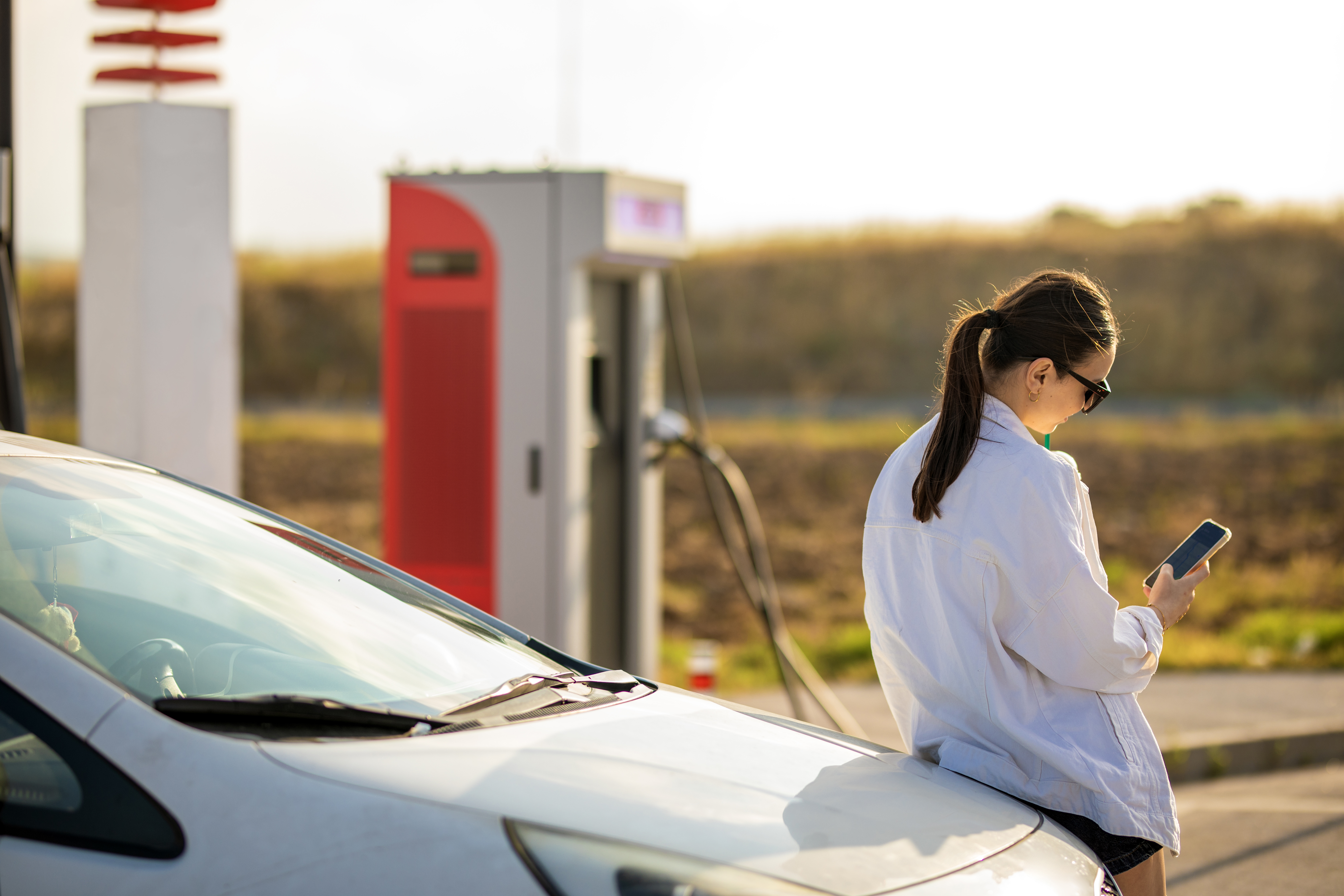
Toyota, Subaru, and Mazda have announced new low or no-carbon combustion engines that can use alternative fuels, posing a significant challenge to pure-play electric vehicle makers like Tesla, Rivian, and Nio. These new engines, which can be used in hybrid vehicles, address several issues currently hindering EV adoption, such as cost, range anxiety, and charging infrastructure. This development could shift the competitive landscape in the automotive industry, favoring companies with diversified approaches to low-carbon transportation.
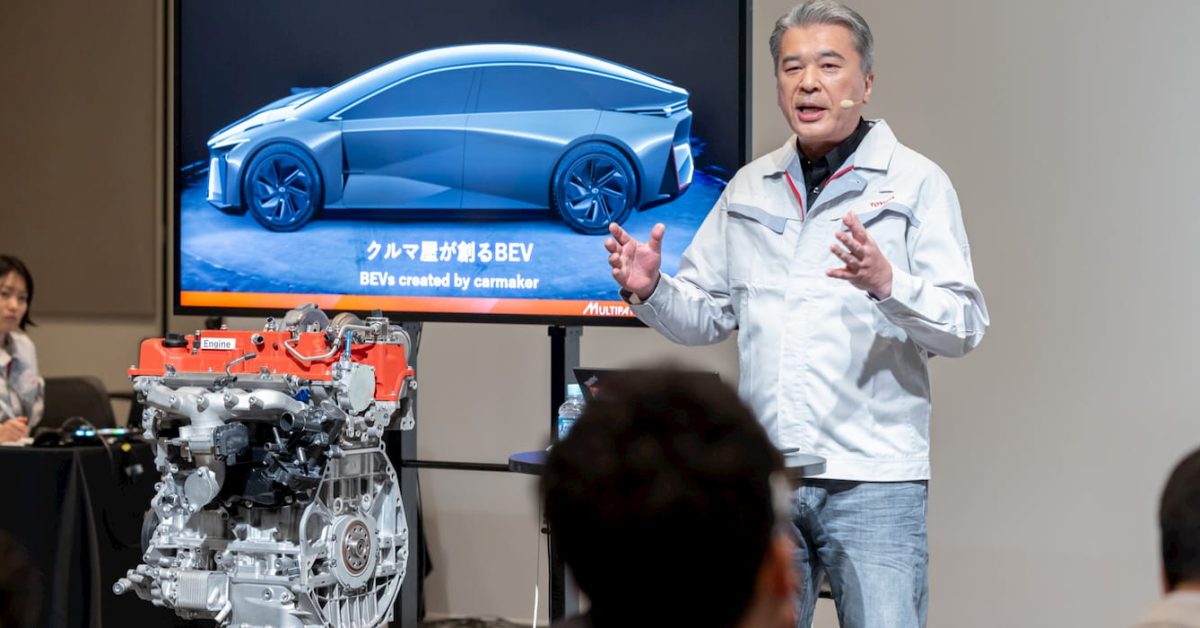
Despite the global shift towards electric vehicles, Toyota, Subaru, and Mazda are committed to developing next-generation internal combustion engines (ICE) integrated with EV components. These engines aim to be more efficient and support carbon neutrality through a multi-pathway approach, including e-fuel and biofuels. However, this strategy may cause these automakers to lag behind competitors who are more aggressively pursuing fully electric vehicles.
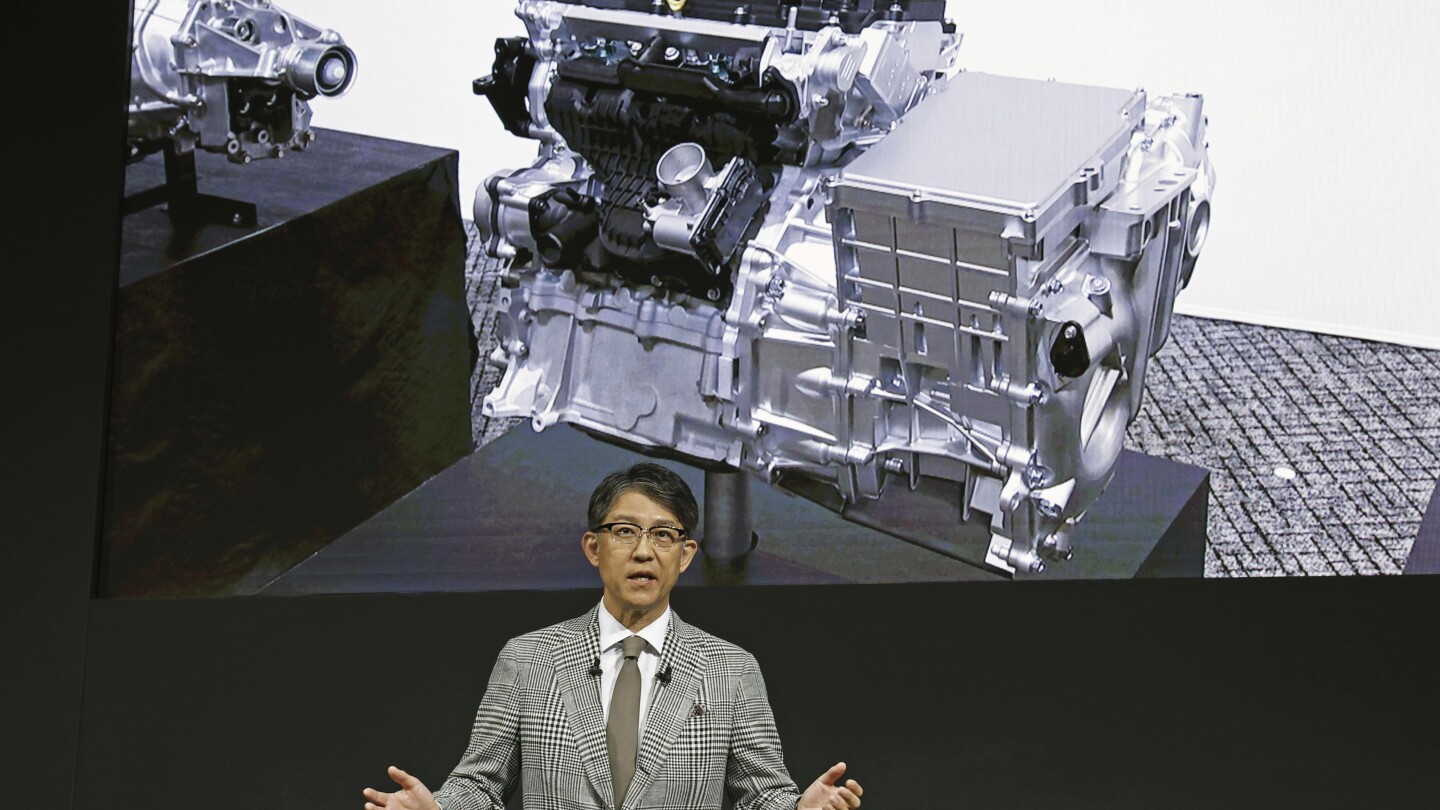
Toyota has unveiled plans to innovate the traditional internal combustion engine by using green fuels like hydrogen and bioethanol, and integrating them with electric motors in hybrids. This move comes as many automakers push for fully electric vehicles. Toyota's new engines aim to support the transition to carbon neutrality while addressing the economic and social impacts of a sudden shift to electric cars. Domestic allies Subaru and Mazda also showcased their ecological engine advancements. However, details on market availability were not disclosed.
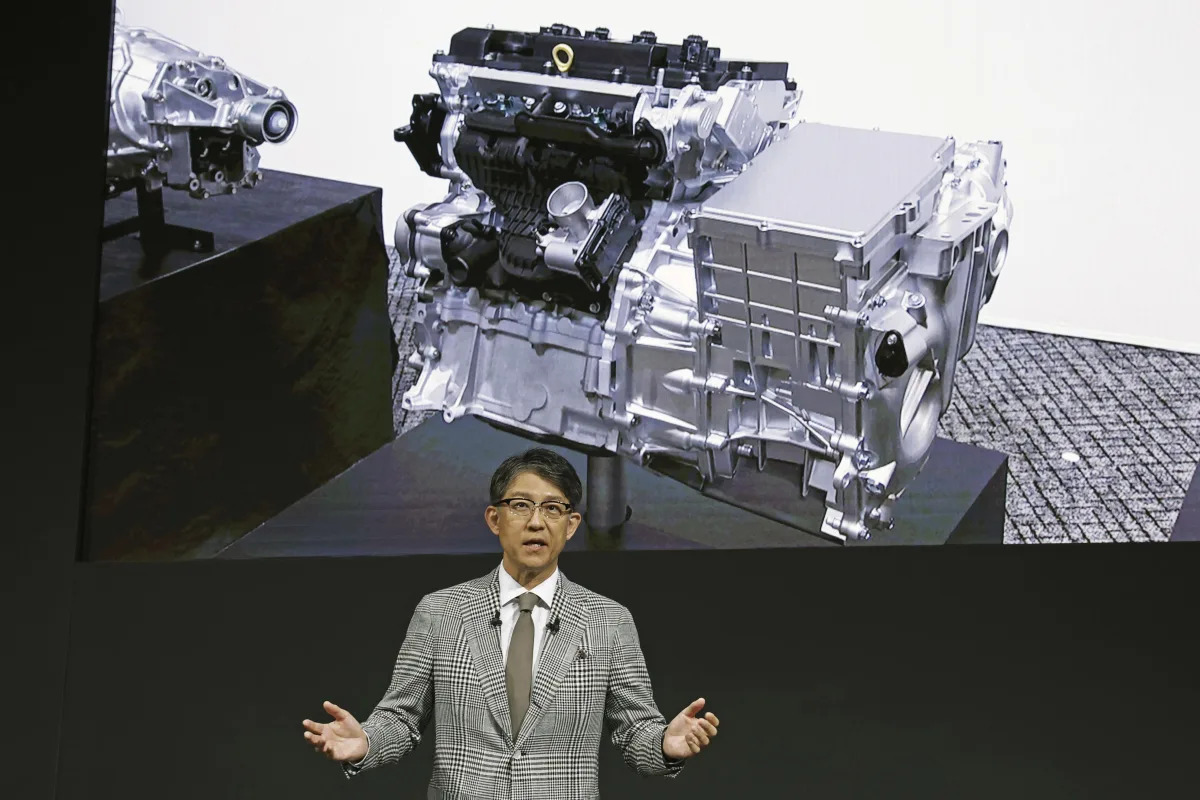
Toyota announced plans to develop compact engines running on green fuels like hydrogen and bioethanol, alongside electric motors in hybrids, as part of its strategy to achieve carbon neutrality. Despite the global push for fully electric vehicles, Toyota emphasizes a multi-pathway approach, collaborating with Subaru and Mazda to meet diverse energy needs and maintain economic stability. The company highlighted the challenges and uncertainties in the transition to electric vehicles, including the environmental impact of battery production and the need for gradual change.

The average age of vehicles in the U.S. has reached a record 12.6 years in 2024, driven by high new vehicle prices, which averaged over $45,000 last month. While new vehicle sales are recovering from pandemic-related shortages, many consumers are opting to keep their older vehicles longer due to cost concerns and the durability of modern cars. This trend benefits auto repair shops as a significant portion of vehicles are now beyond manufacturer warranties.

Former auto industry executives Bob Lutz and Bob Nardelli criticize the handling of the electric vehicle (EV) push, stating that it happened "too soon and too fast." They argue that the focus on EVs should have been preceded by an emphasis on hybrid vehicles and that the forced transition to zero emission transportation in the U.S. has been mishandled. They also express concerns about the impact on the car dealership experience and the potential challenges posed by China's growing presence in the EV market. Despite the criticism, they acknowledge the inevitability of a gradual transition to EVs, with Lutz predicting that EVs could represent about 25-30% of the market in the next 10 years.
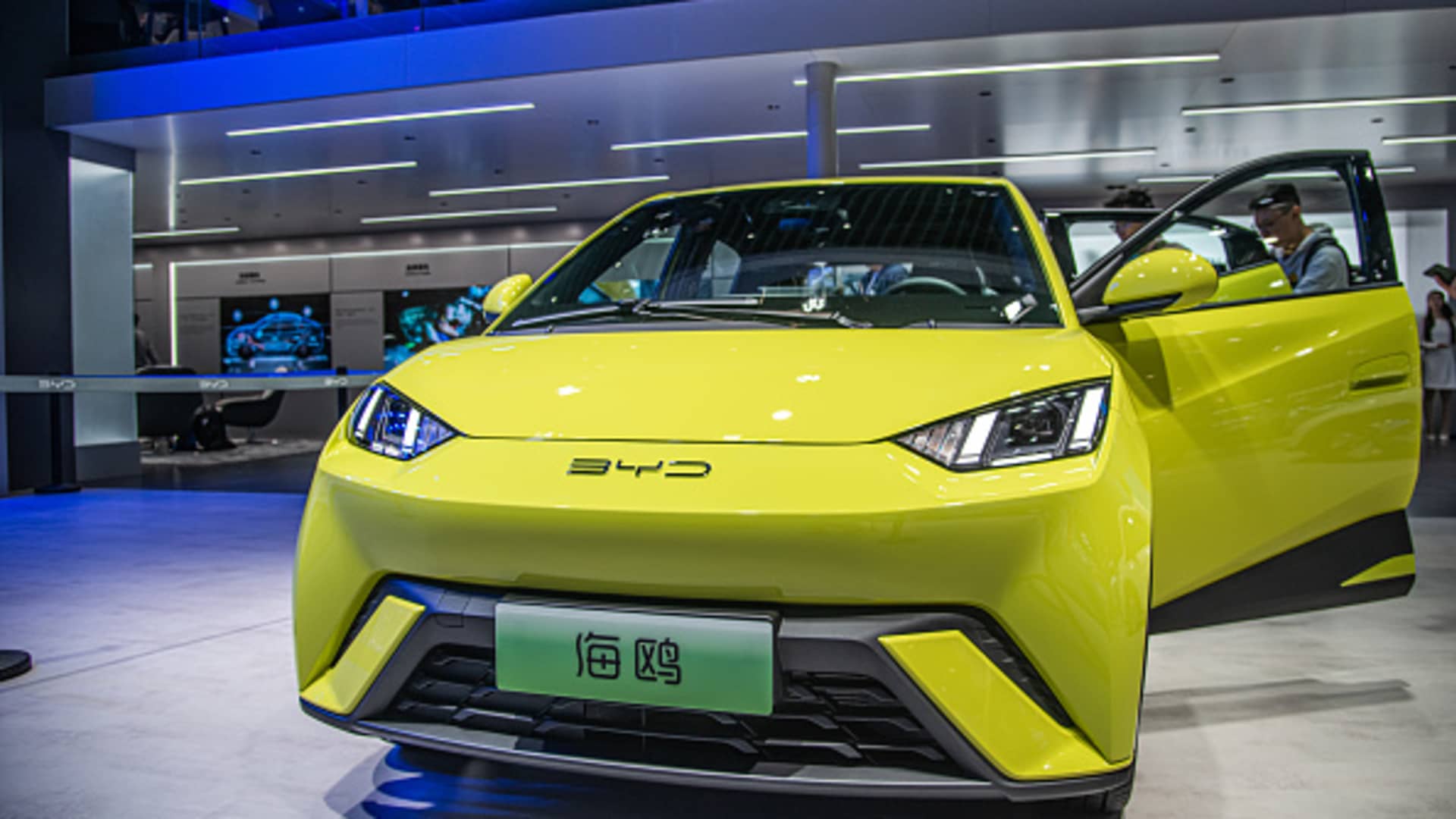
The China-made BYD Seagull, a small all-electric hatchback priced at less than $10,000, is causing concern among global automotive executives and politicians due to its potential to disrupt domestic auto industries worldwide. With the ability to turn a profit where U.S. automakers have struggled, and plans for global expansion, including potential entry into the U.S. market, the rise of Chinese automakers like BYD has sparked fears of undercutting domestic production and vehicle prices. As Chinese automakers expand and gain market share, concerns are growing about the impact on traditional automakers and the need for them to quickly adapt to the changing competitive landscape.
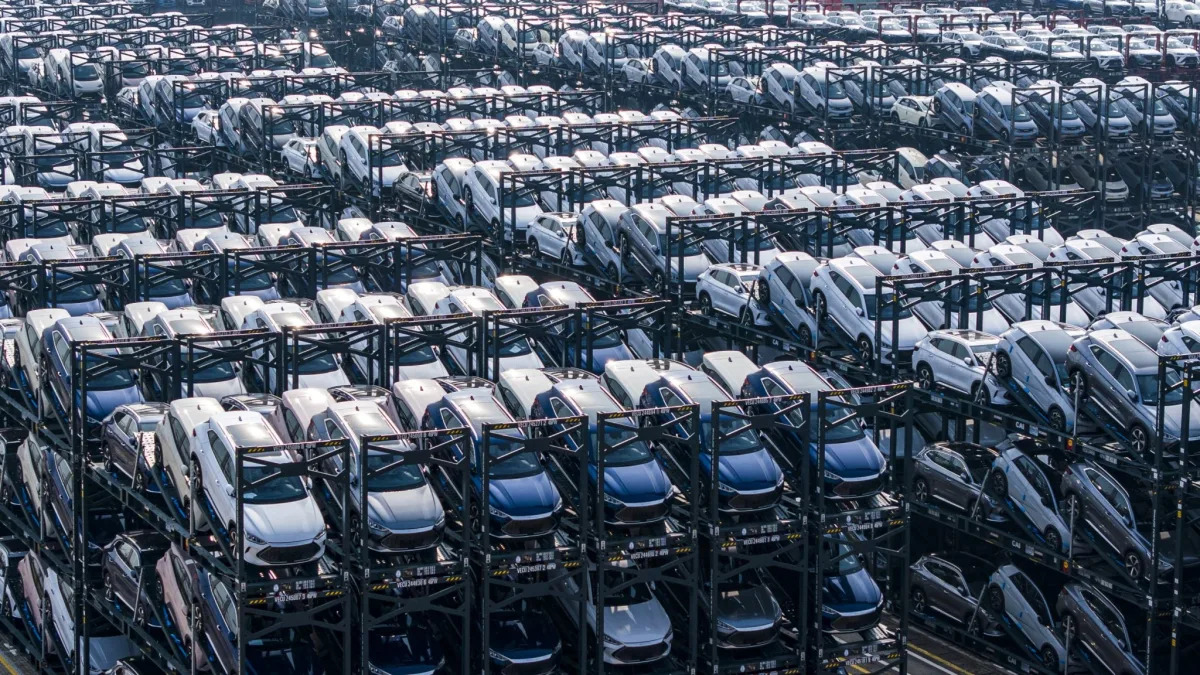
Chinese automakers, including BYD, are using Mexico as a backdoor to gain access to the US auto market through the more favorable tariffs under the USMCA, posing an "extinction-level" threat to the US auto sector, according to the Alliance for American Manufacturing. The report warns of the potential impact of Chinese EVs, which are backed by heavy state support, on the US auto industry and calls for policy recommendations to combat overcapacity and unfair trade practices. With Chinese carmakers scouting for manufacturing locations in Mexico and surging imports of Chinese cars into the country, the threat is seen as scarier than many people realize, potentially leading to an extinction-level event for the US auto sector.