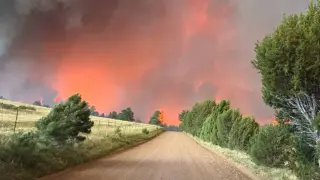
Aspen Acres wildfire swells to ~23,000 acres in Pueblo County
The Aspen Acres wildfire has expanded to approximately 23,000 acres in Pueblo County, with forecasts indicating high fire danger and low air quality.

All articles tagged with #fire danger
The Aspen Acres wildfire has expanded to approximately 23,000 acres in Pueblo County, with forecasts indicating high fire danger and low air quality.

Utah Gov. Spencer Cox declared a statewide state of emergency and banned fireworks for the Fourth of July due to extreme wildfire risk from a dry winter, severe drought (about 94% of the state in severe/extreme drought), and gusty winds. The move comes as firefighters battle several large wildfires, including the Iron Fire near Eureka and the Cottonwood Fire (which surpassed 70,000 acres), with evacuations underway and conditions expected to worsen under near-statewide Red Flag warnings.

Chicago is under a Red Flag Warning through Wednesday night due to warm temperatures and gusty winds—up to 45 mph—that raise the fire risk. Any grass or brush fires could spread quickly; highs will reach the upper 60s, with a wind advisory for areas north and northwest of the city, and the highest risk along and west of Fox Valley and I-55.
Xcel Energy told Colorado customers to prepare for potential planned or unplanned power outages due to elevated wildfire risk from low snowpack and dry, warm conditions, as the National Weather Service issued a prolonged Red Flag Warning; residents who rely on electricity for medical equipment should enroll in the Safe for Colorado program, and officials note prior outages and possible future restrictions as drought persists.
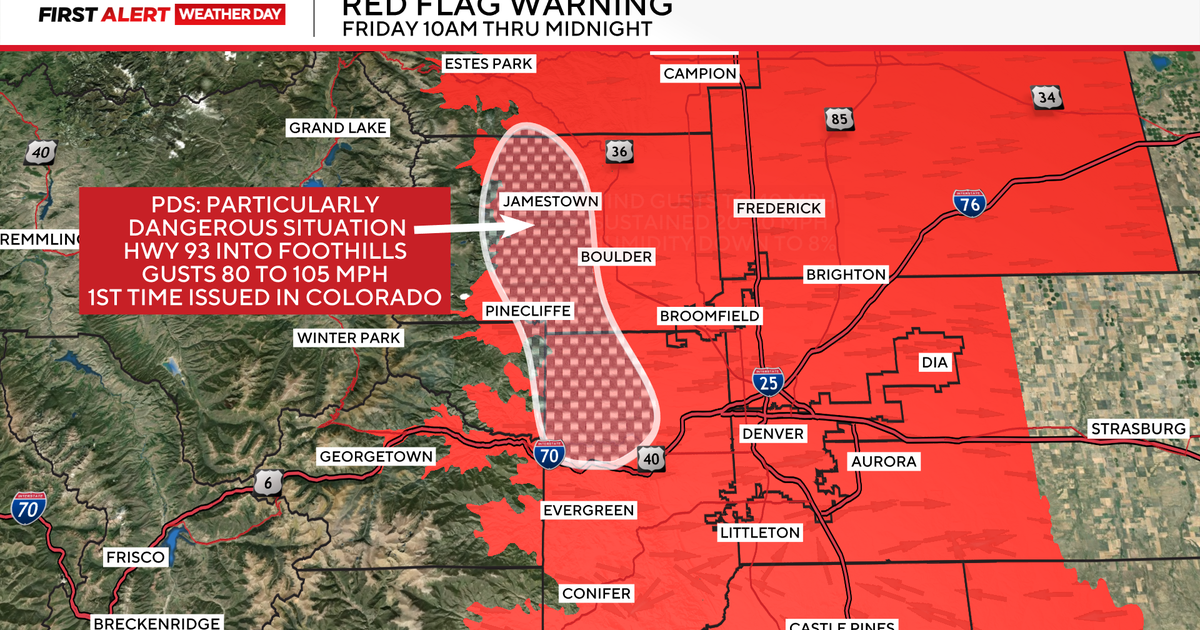
The National Weather Service in Colorado has issued a rare 'Particularly Dangerous Situation' for high fire danger due to strong winds, record warmth, and dry conditions, especially in the Foothills, with wind gusts up to 105 mph and temperatures breaking records, coupled with upcoming snowstorms in the high country.

Holiday travel in the US faces disruptions due to storms, strong winds, and fire risks, with significant weather events across the Northeast, West, and Great Lakes, including airport delays, wildfires, and heavy rain, while the rest of the country experiences milder conditions.
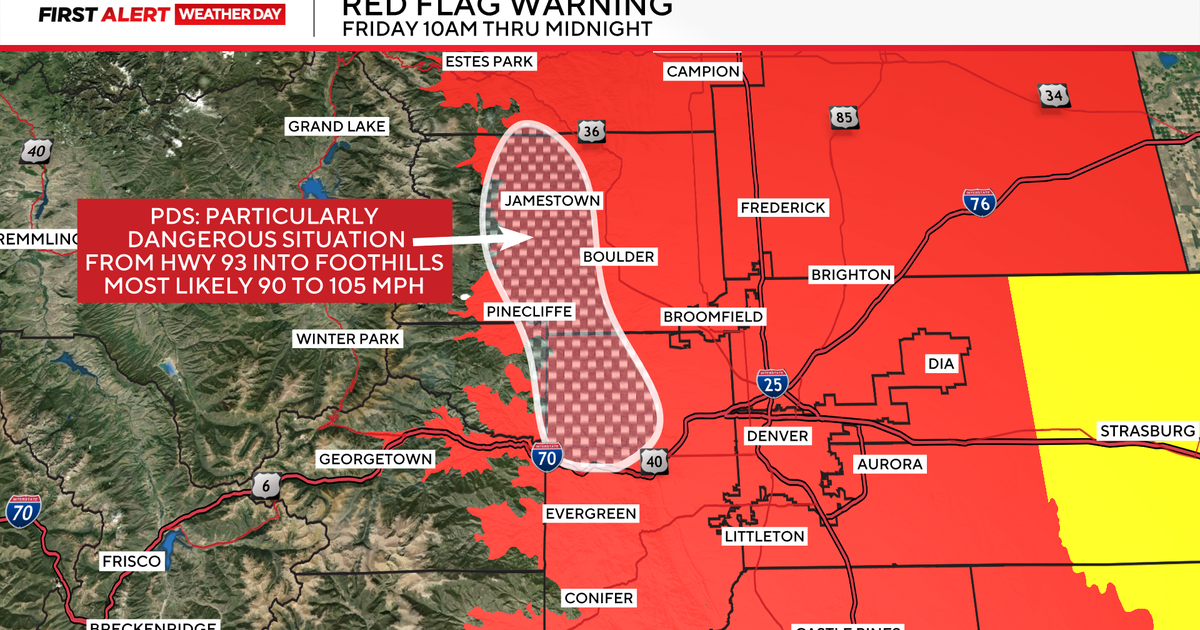
Colorado's Front Range faces a dangerous fire risk due to hurricane-force winds, record heat, and low humidity, with a 'Particularly Dangerous Situation' warning issued for northwest Jefferson and western Boulder counties, and the entire Denver metro area under a red flag warning for Friday.
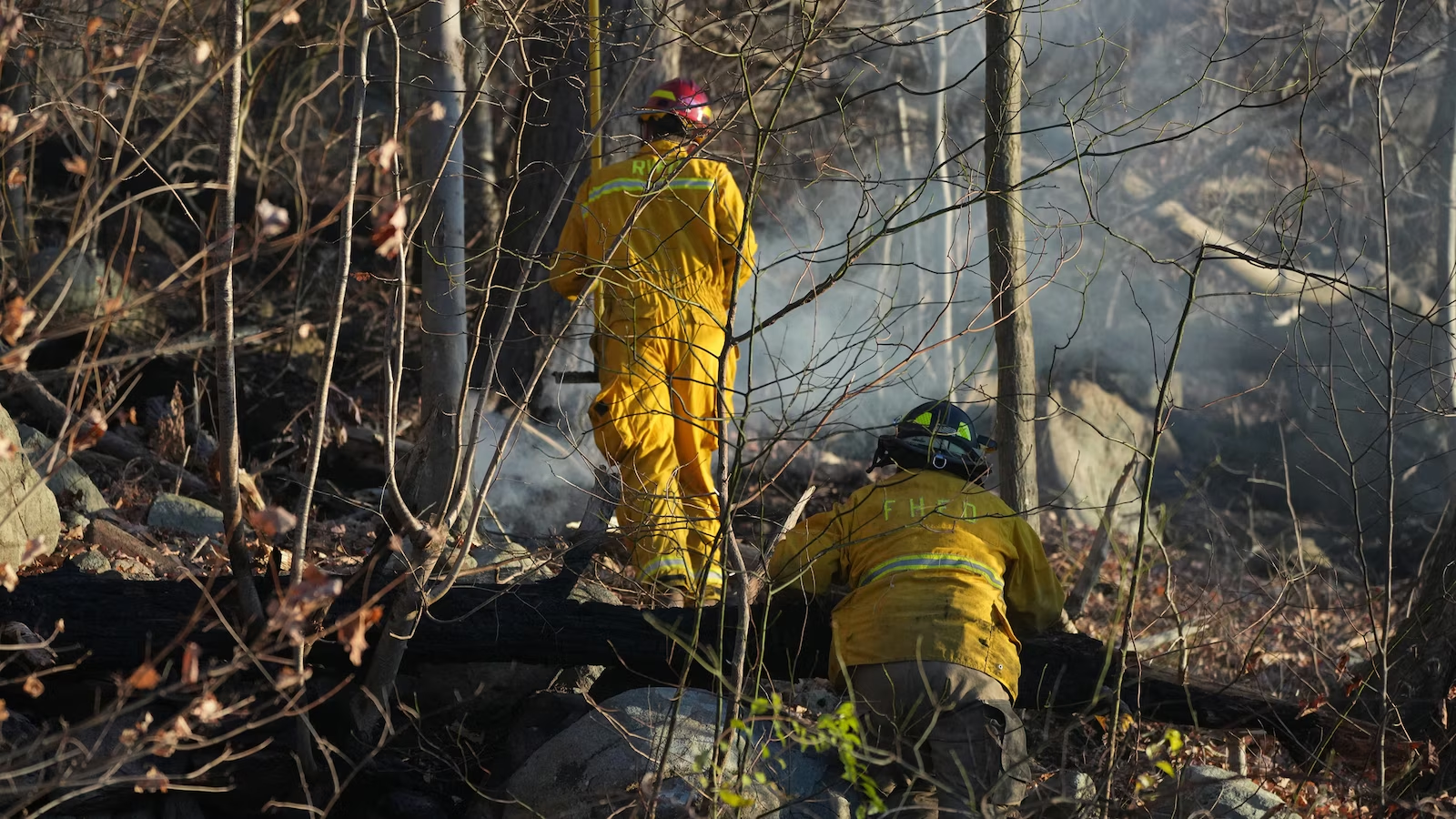
The Northeast is no longer under red flag warnings, but fire danger remains high due to persistent drought conditions. The Jennings Creek Fire, the largest in the region, has burned over 5,000 acres across New York and New Jersey, with containment efforts ongoing. Despite improved weather conditions, the risk of wildfires persists, prompting New York to issue a statewide ban on outdoor fires and establish a brush fire task force. Meanwhile, severe weather is expected in Texas and Oklahoma, with potential for damaging storms and flooding.
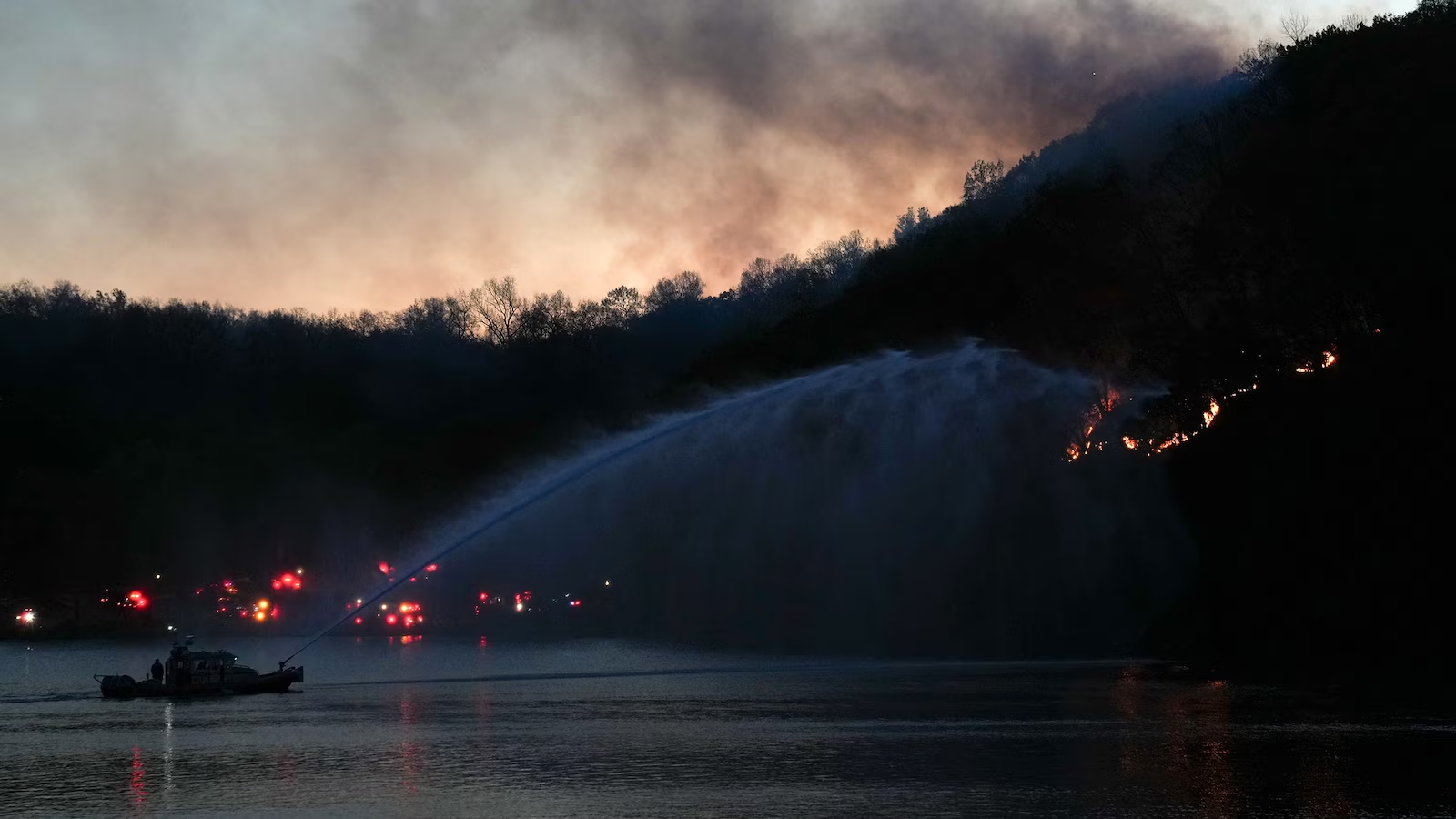
Nearly 43 million people in the Northeast are under red flag warnings due to elevated fire danger, with low humidity and strong winds exacerbating the risk. The region faces moderate to extreme drought conditions, with no significant rain expected until late next week. Meanwhile, a strong storm system is bringing rain and snow to the Pacific Northwest, and severe weather is expected in Texas. Tropical Storm Sara is causing heavy rain and potential flooding in Central America, with minimal threat to the U.S.
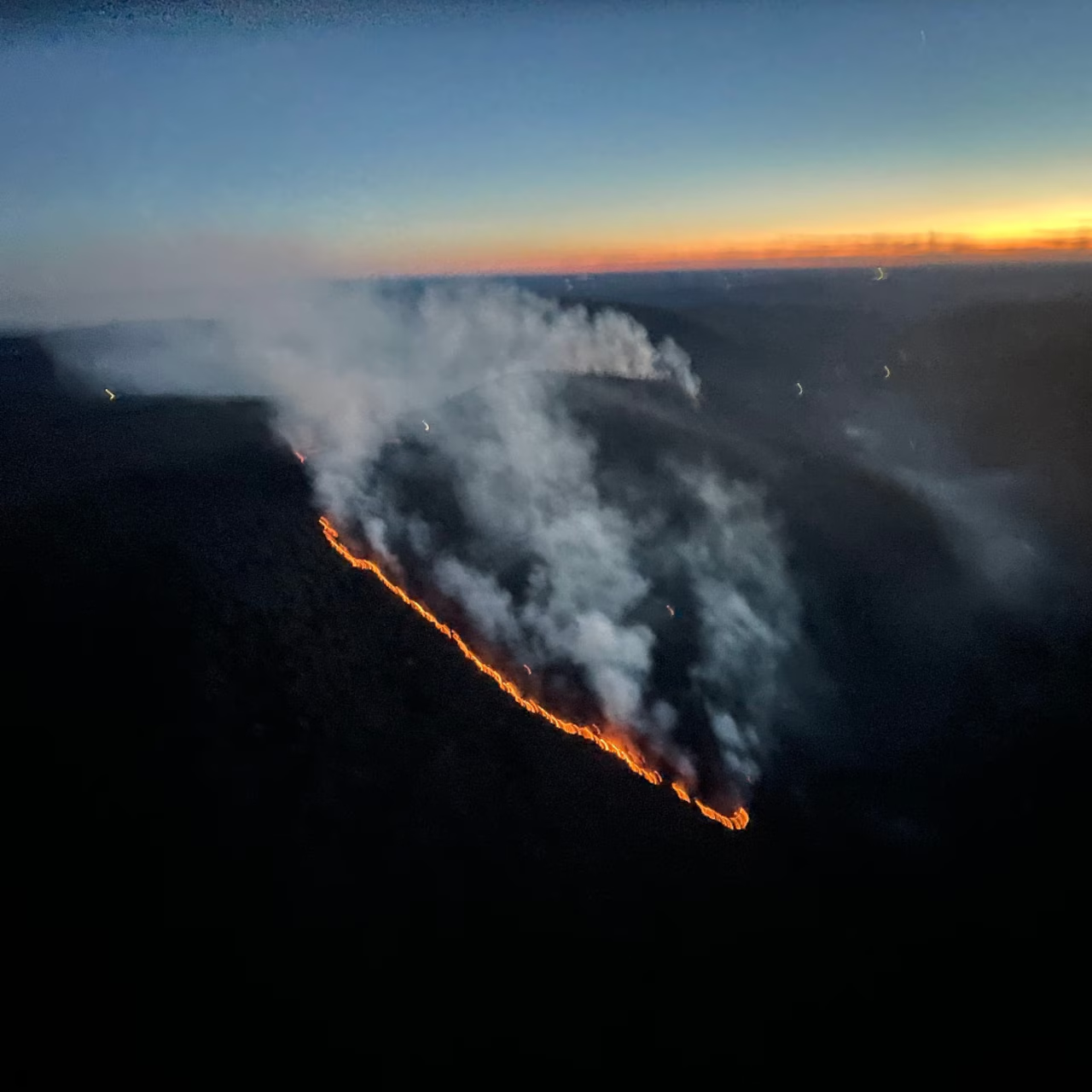
Central New York is now at high risk for wildfires due to ongoing dry and windy conditions, with nearly 40 counties affected. The New York State Department of Environmental Conservation has issued a high fire danger warning, and a statewide burn ban is in effect until November 30. The region has experienced significantly less rainfall than usual, exacerbating the fire risk. Firefighters are currently battling several large wildfires, including the largest in the state since 2008, with tragic consequences, such as the death of a young parks employee.
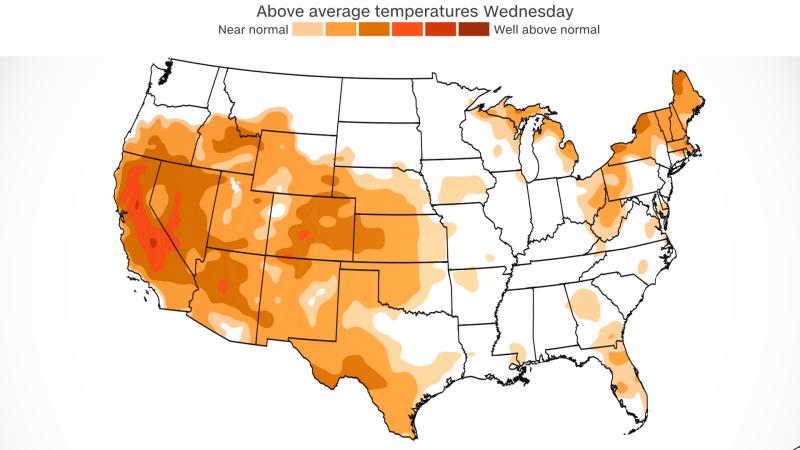
A heat dome is causing temperatures to soar into the triple digits across California and the West, with excessive heat warnings affecting over 10 million people. The early-season heat wave is setting daily records and increasing fire danger, particularly in California's Central Valley where the Corral Fire is burning. Major cities like Phoenix and Las Vegas are experiencing unusually high temperatures weeks earlier than normal, and the heat is expected to expand to the Pacific Northwest by the end of the week.
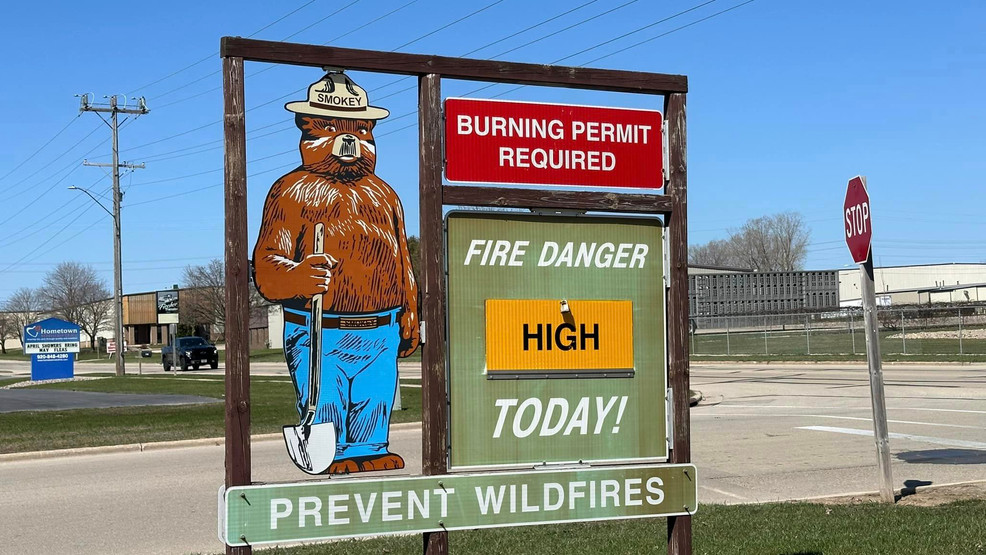
The Wisconsin Department of Natural Resources is urging the public to avoid outdoor burning as the state continues to face elevated fire danger, responding to over 35 wildfires in a single day and battling a major fire in Shawano County. The hot, dry, and windy conditions have fueled numerous wildfires across the state, with one fire in Cecil quickly spreading due to the wind and cattails. Fire departments and the DNR have been working to contain the blazes, emphasizing the high risk of fires getting out of control in such conditions.
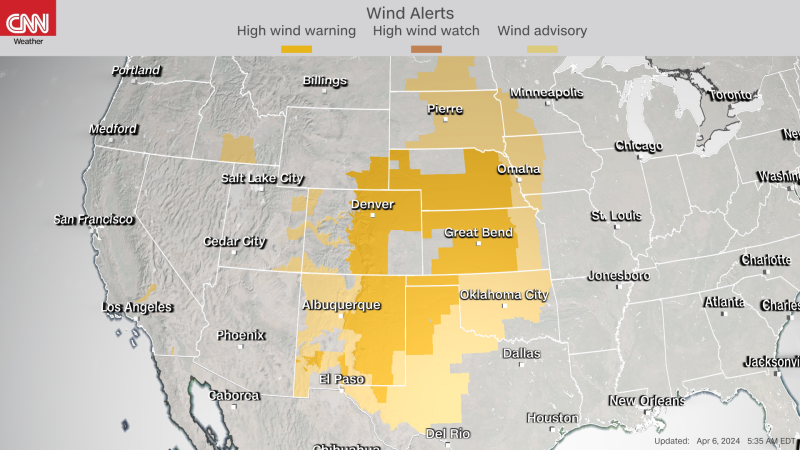
A storm system moving through the Western United States is expected to bring hurricane-force winds from the Southern Rockies to the High Plains, with wind alerts in effect for nearly 18 million people. The intense winds are likely to cause power outages, travel disruptions, and blowing dust, while also creating critical fire danger across the Southern High Plains. Additionally, a winter storm will bring heavy snow to parts of the Central Rockies, with hazardous driving conditions expected in several states.
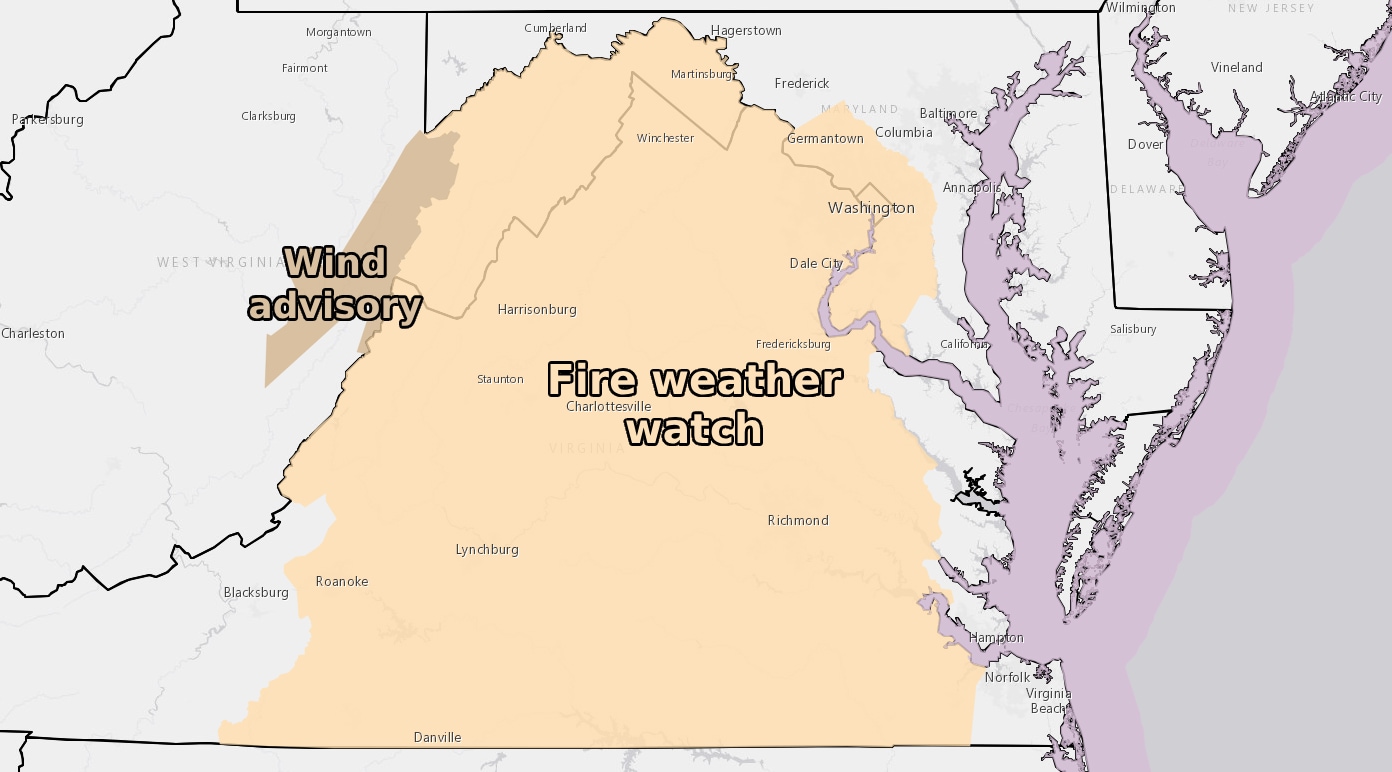
The National Weather Service has issued a fire weather watch for the Washington region due to a combination of dry air and strong winds, elevating the fire danger starting Tuesday afternoon. The winds are forecast to peak on Wednesday afternoon into the evening, reaching gusts of up to 45 mph, with relative humidity values dipping to about 20 percent in some locations. The fire threats are common in March and April due to windy conditions and dry fuels, and could persist into April unless significant precipitation returns.
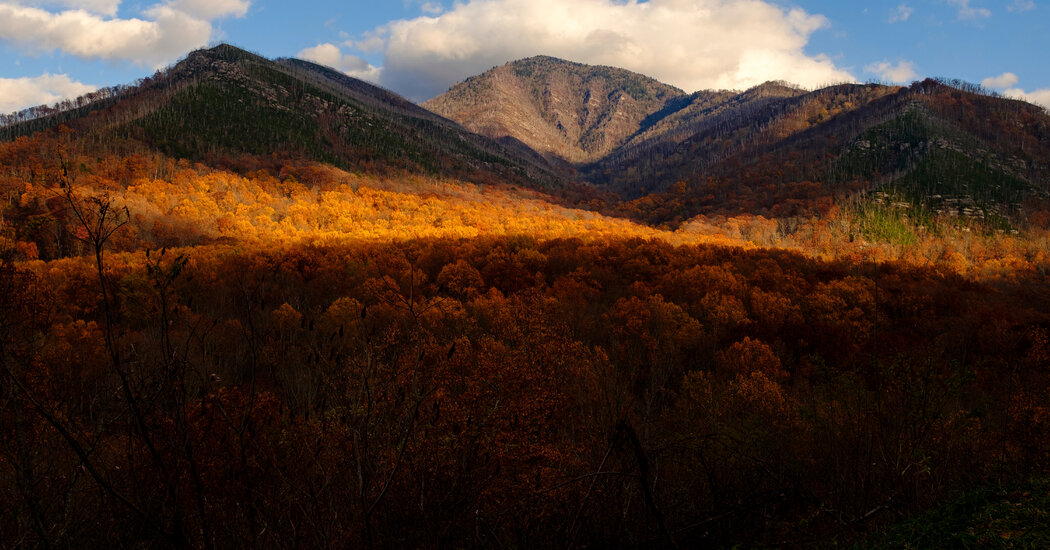
Great Smoky Mountains National Park in Tennessee and North Carolina closed roads and campgrounds ahead of the Thanksgiving holiday due to hurricane-force winds, which increased the risk of fire danger. A wildfire on Rich Mountain Gap prompted voluntary evacuations in the nearby town of Townsend, but was 25% contained by Tuesday afternoon. The closures, including a portion of U.S. 441, were implemented to ensure employee and visitor safety during the dangerous weather event. High wind alerts have become more frequent in the park in recent years, reflecting the impact of climate change.