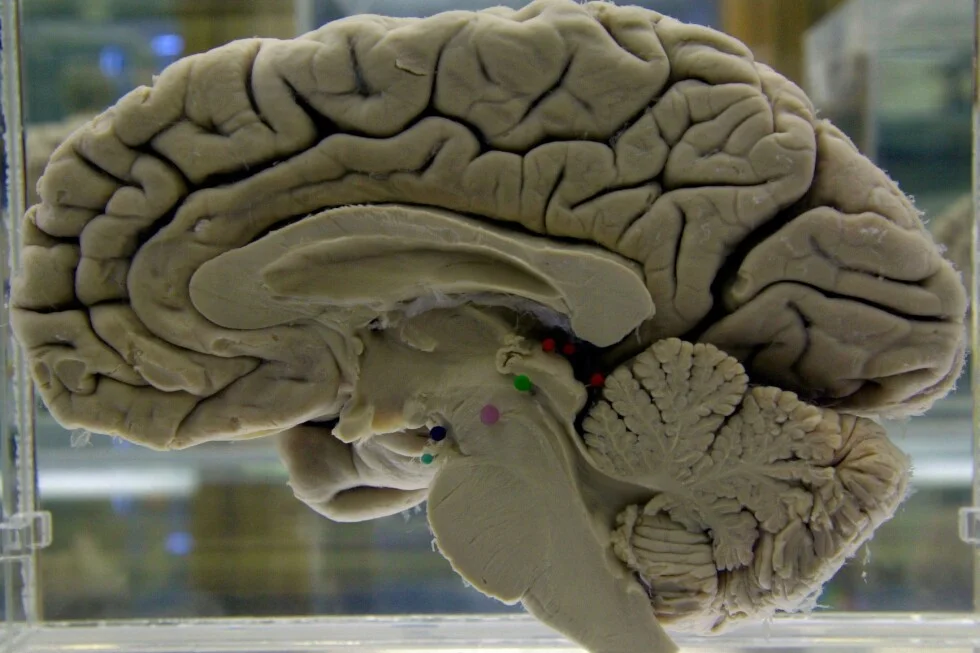
Lifelong, varied cognitive activities and good physical health are linked to stronger cognitive reserve and slower dementia-related decline, suggesting that sustained learning and meaningful hobbies may help protect the aging brain.
Engaging in brain-challenging activities such as reading, learning a new language, or playing chess is linked to slower cognitive decline and may postpone the onset of dementia (including Alzheimer's) by a few years, according to recent research.
A study published in Neurology suggests that jobs requiring more cognitive stimulation may reduce the risk of mild cognitive impairment later in life. Research on 7,000 individuals found that cognitive demands at work during different life stages were linked to better memory and thinking in old age. Jobs with higher cognitive demands, such as teaching, were associated with reduced risk, while those with lower demands, like custodial or mail carrier roles, had a greater risk. However, individual variation and further research are noted, and other studies have identified specific occupations that may help maintain healthy brain function, while also highlighting jobs that may put individuals at higher risk for dementia.