Tag

Cognitive Reserve

All articles tagged with #cognitive reserve

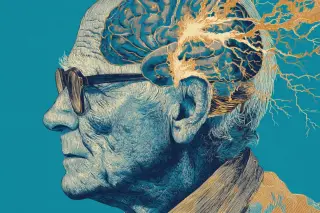
Cognitive Reserve in Action: Nun Study's Sister Mary Defies Alzheimer's Pathology
science13 days ago

Cognitive Reserve in Action: Nun Study's Sister Mary Defies Alzheimer's Pathology

Sister Mary, a 101-year-old nun in the long-running Nun Study, showed near-perfect memory and reasoning before death despite a brain full of Alzheimer's plaques and tangles, illustrating cognitive reserve. The study’s hallmark finding was that autobiographies written in late adolescence, analyzed for idea density, predicted later dementia risk, with high idea density linked to lower risk. The research minimized lifestyle confounds, highlighting biology and lifelong mental activity as key factors and prompting a reevaluation of the amyloid-centric view of dementia. The brains of all 678 nuns continue to inform understanding of cognitive aging.

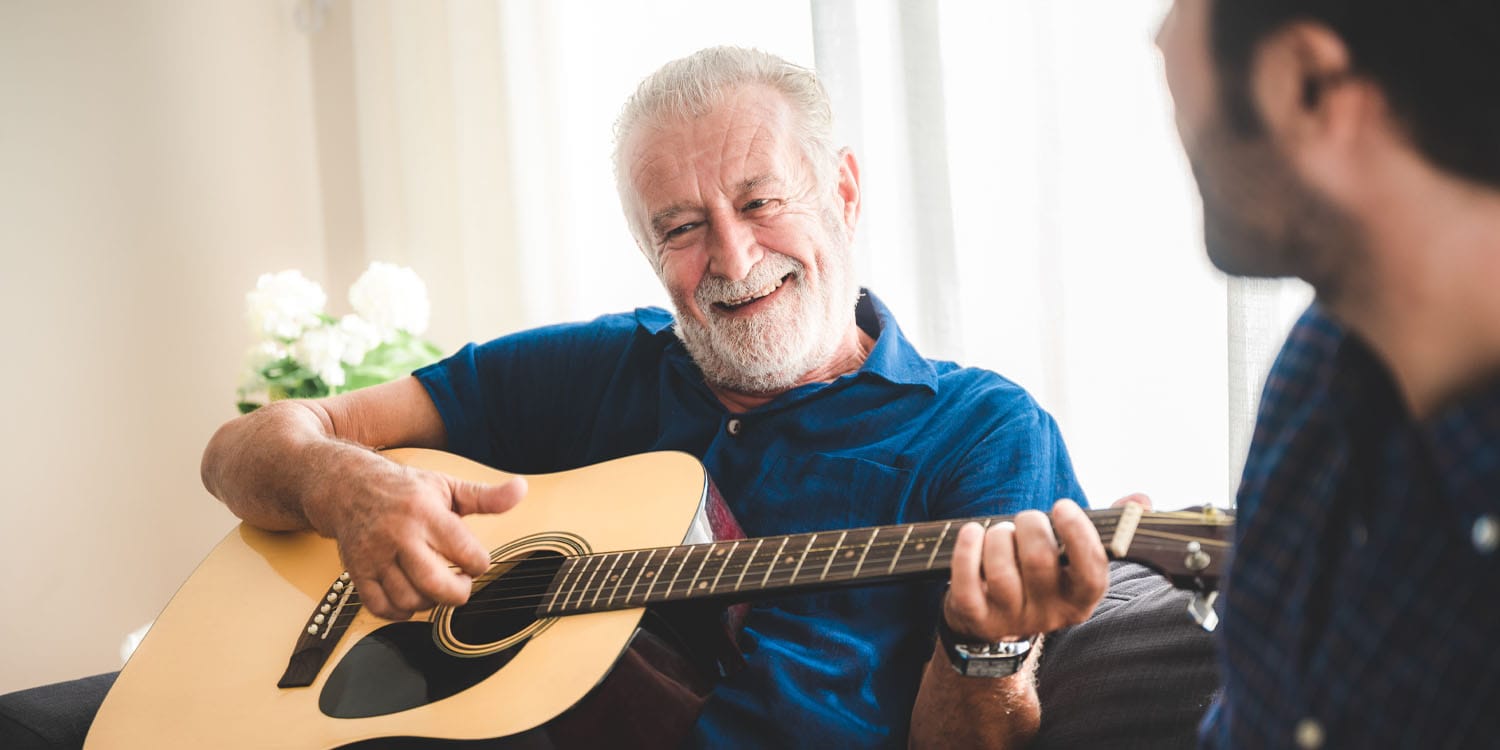
Can Hobbies Shield Your Brain From Dementia?
health1 month ago

Can Hobbies Shield Your Brain From Dementia?

New research indicates up to 40% of dementia risk may be linked to modifiable lifestyle factors, and hobbies—across physical, cognitive, and social domains—are associated with a lower risk of dementia. While no single hobby is a magic fix, engaging in multiple enjoyable activities that challenge the brain, keep you active, uplift mood, and foster social connection can build cognitive reserve and protect brain health as you age.

Healthy Brain Resilience May Shield Memory From Early Alzheimer's
science1 month ago

Healthy Brain Resilience May Shield Memory From Early Alzheimer's

A study of over 600 older adults found that strong overall brain health buffers the cognitive impact of early Alzheimer’s pathology, suggesting that lifestyle factors like regular exercise, a nutritious diet, good sleep, and new cognitive challenges can help preserve memory and thinking abilities. The research also notes preliminary evidence that higher socioeconomic status may lessen the effect of pathology on memory, underscoring the potential for public-health strategies to boost brain resilience across populations.

Novel mind challenges and social ties may protect brain health
health1 month ago

Novel mind challenges and social ties may protect brain health

Alzheimer's Association guidance says challenging your mind with novel activities—like chess, learning a new instrument or language—and staying socially connected may help preserve brain health and cognitive reserve as you age; social isolation is linked to about a 70% higher risk of cognitive decline, and more on the 6-Step Challenge at rethinkyourbrain.org.

Birding Brains: Expertise Builds Lasting Cognitive Reserve
science4 months ago

Birding Brains: Expertise Builds Lasting Cognitive Reserve

A neuroscience study comparing 29 expert birders with 29 age- and sex-matched novices found that experts have more compact, efficient brain tissue in attention- and perception-related regions, which correlates with higher accuracy in bird identification. These structural advantages persist into older age, and older birders even remember arbitrary faces paired with birds better than beginners, suggesting that complex, multi-process skill learning builds cognitive reserve that supports broader cognition as we age.

Art's Health Benefits: Five Ways to Boost Happiness and Well-being in 2026
health-and-wellness6 months ago

Art's Health Benefits: Five Ways to Boost Happiness and Well-being in 2026

Engaging in the arts—such as music, dance, visual arts, and cultural activities—has significant mental and physical health benefits, including reducing stress, improving mood, strengthening brain connectivity, and building resilience against cognitive decline. The article encourages incorporating creative activities into daily life to enhance overall wellbeing in 2026.

Top Habits to Maintain Brain Health and Sharpness at Any Age
health8 months ago

Top Habits to Maintain Brain Health and Sharpness at Any Age

Maintaining mental sharpness with age is achievable by developing and engaging in activities that build cognitive reserve, such as lifelong learning, social interactions, and cognitively stimulating leisure activities, which can enhance brain resilience and flexibility through neuroplasticity. Recent research emphasizes that cognitive reserve is dynamic and can be strengthened at any age, offering promising strategies for healthy aging.

Simple Habits and Activities to Maintain Brain Health and Youthfulness
health-and-wellness9 months ago

Simple Habits and Activities to Maintain Brain Health and Youthfulness

Maintaining good cognitive health with age is achievable by developing and sustaining cognitive reserve through lifelong activities like education, social interactions, learning new skills, and engaging in cognitively stimulating leisure activities, which can strengthen brain resilience and flexibility, thereby delaying or preventing cognitive decline.