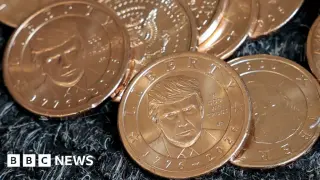
The US Mint launched a commemorative $1 coin featuring President Donald Trump to mark the nation's 250th anniversary. The coin, which sold out within hours of release, is the first to feature a living president in 100 years. While the coins are legal tender, their production has sparked legal and procedural debates regarding the use of living figures on US currency.

The US Senate has passed the Common Cents Act, a bipartisan bill that would allow retailers to round cash transactions to the nearest nickel. This follows the US Mint's cessation of penny production in 2025, which caused widespread shortages and operational issues for businesses. While the federal bill moves toward becoming law, many states have already enacted their own rounding rules or issued guidance to address the immediate lack of change.
Archaeologists in eastern Norway uncovered 2,970 silver coins from the Viking Age—the largest Viking coin hoard found in Norway—featuring coins minted under Æthelred II, Cnut the Great, and Otto III, and dating to around 1050 as Norwegian coinage emerged; the find, which also included hacksilver, suggests a wealth stash tied to medieval silver economy, with excavations continuing at the site.
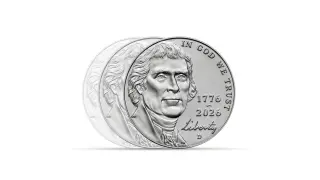
The penny’s retirement has coin experts wondering if the nickel could be the next to go, since minting nickels costs far more than their face value (about 13.78 cents per coin in 2024 versus a 5-cent value, with roughly $85 million lost on nickels and $18 million on pennies that year). The U.S. Treasury has no formal plan to eliminate the nickel, and Americans still actively use nickels, but inflation and rising production costs keep the debate alive. Some lawmakers have floated rounding cash transactions to the nearest five cents as a potential workaround, which could shift how retailers handle small-change trades if the nickel disappears. Experts expect the nickel’s demise, if it happens, to be gradual—likely over ten to fifteen years—though it’s not imminent, and the coin could instead stay in circulation longer if policy or consumer behavior changes differently than anticipated.
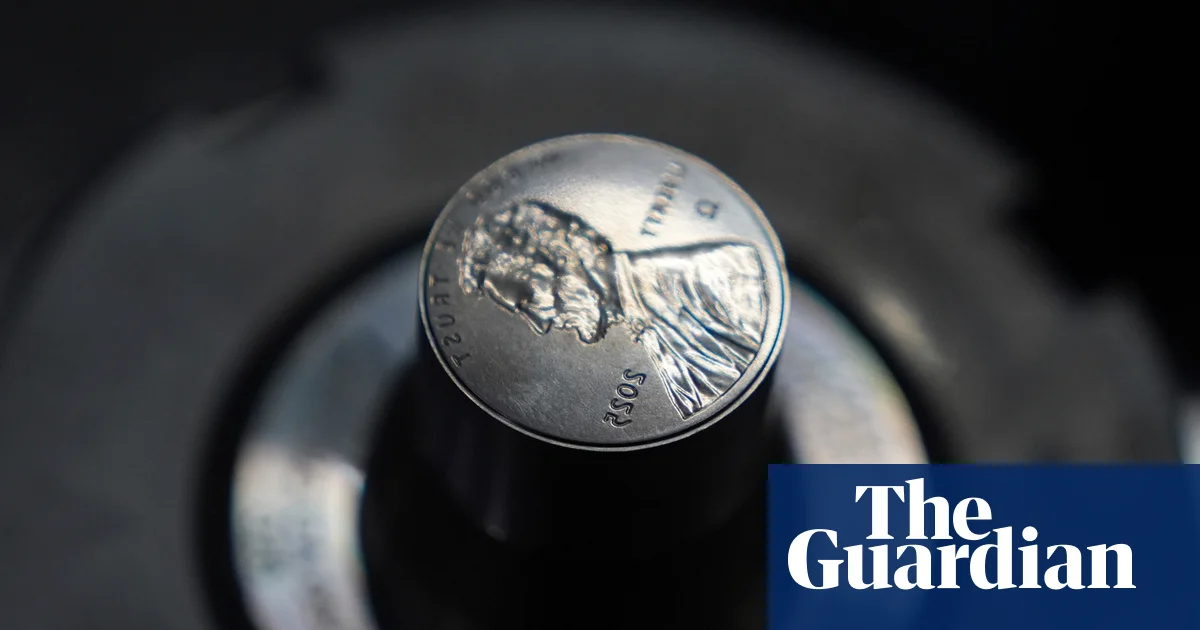
The US Mint in Philadelphia is set to produce its last circulating penny as President Trump ordered its discontinuation due to high production costs exceeding its value, leading to a phase-out that has caused some logistical challenges and nostalgic sentiments.
The US penny will cease production in 2024 due to high costs and declining demand, marking the end of a historic coin that has played a significant role in American culture and commerce. Its removal will impact pricing strategies, charitable giving, and cultural symbolism, while reflecting a shift towards digital payments and economic efficiency.