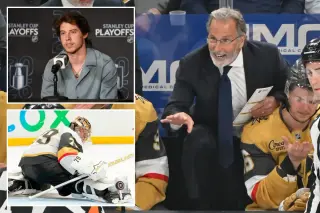
The NHL fined John Tortorella $100,000 after the Golden Knights skipped postgame media due to the team’s refusal to open the visiting locker room, a move Vegas blamed on hallway congestion and one that highlights ongoing tensions over postgame media obligations under the collective bargaining agreement.
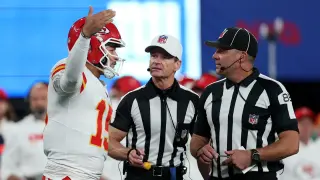
After a March stalemate, the NFL and NFLRA approved a seven-year CBA (through the 2032 season, expiring May 31, 2033) following a Dallas summit where owners signaled willingness to invest in accountability. The deal, approved 116–4 in a 120-ballot vote, boosts base pay for regular-season and playoff games and training camp; improves retirement and international travel; keeps new officials at a three-year probation with early outs for exceptional performers; shortens the dead period to May 1 for lower-tier officials; and creates a 10-official bench (six backups guaranteed regular-season games; four apprentice college officials from the Mackie Development Program) to raise officiating quality and avoid past controversies like the Fail Mary.
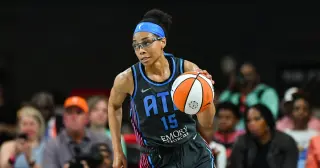
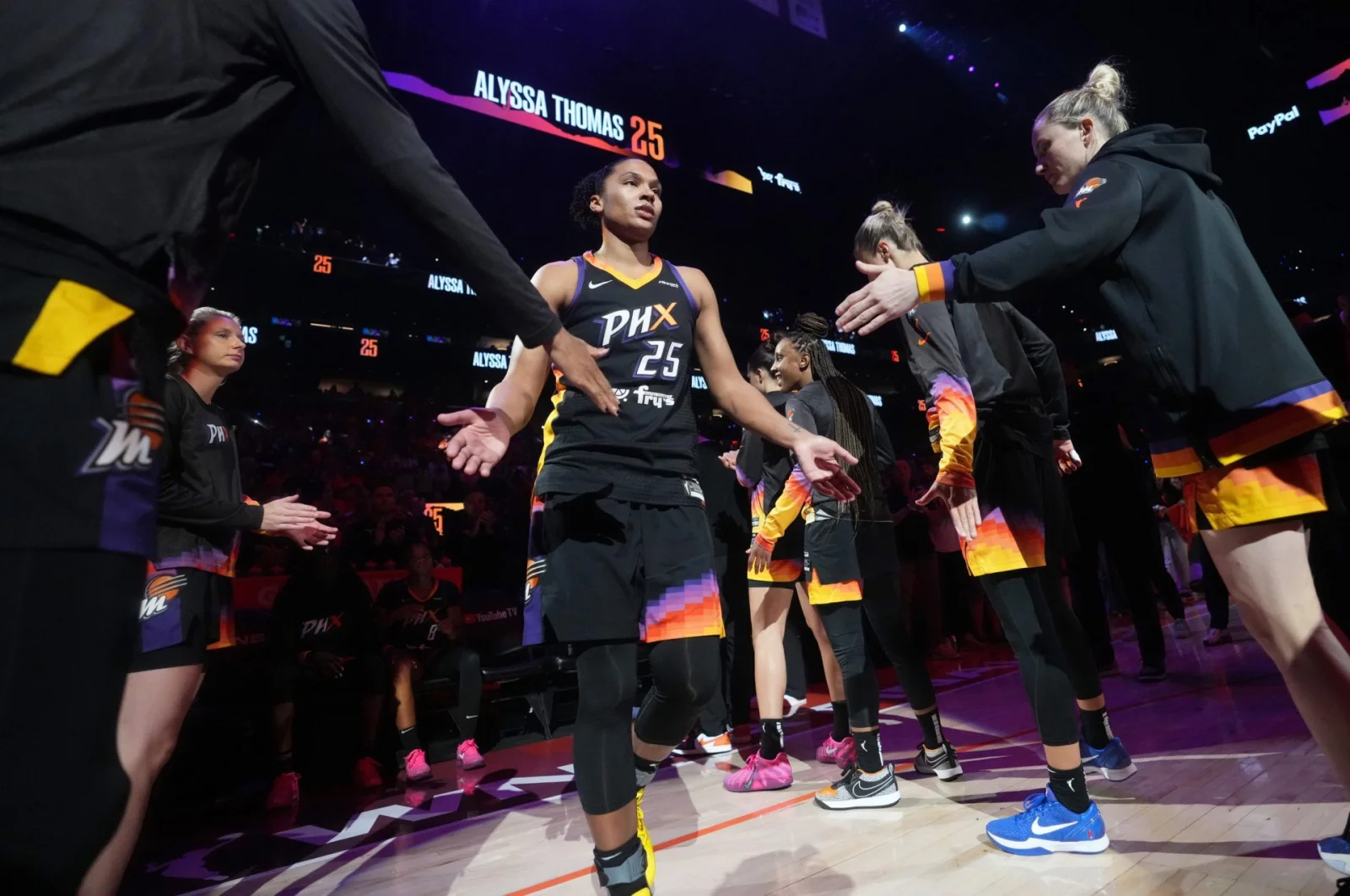
Former South Carolina star Allisha Gray signed a three-year deal with the Atlanta Dream after the WNBA’s new collective bargaining agreement increased top salaries, with expected pay north of $1 million per year as she continues her rise after multiple All-Star seasons and a standout 2025 campaign.
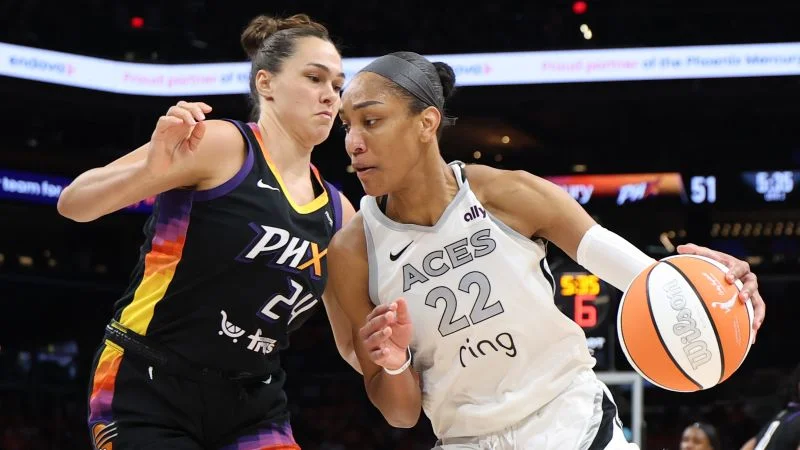
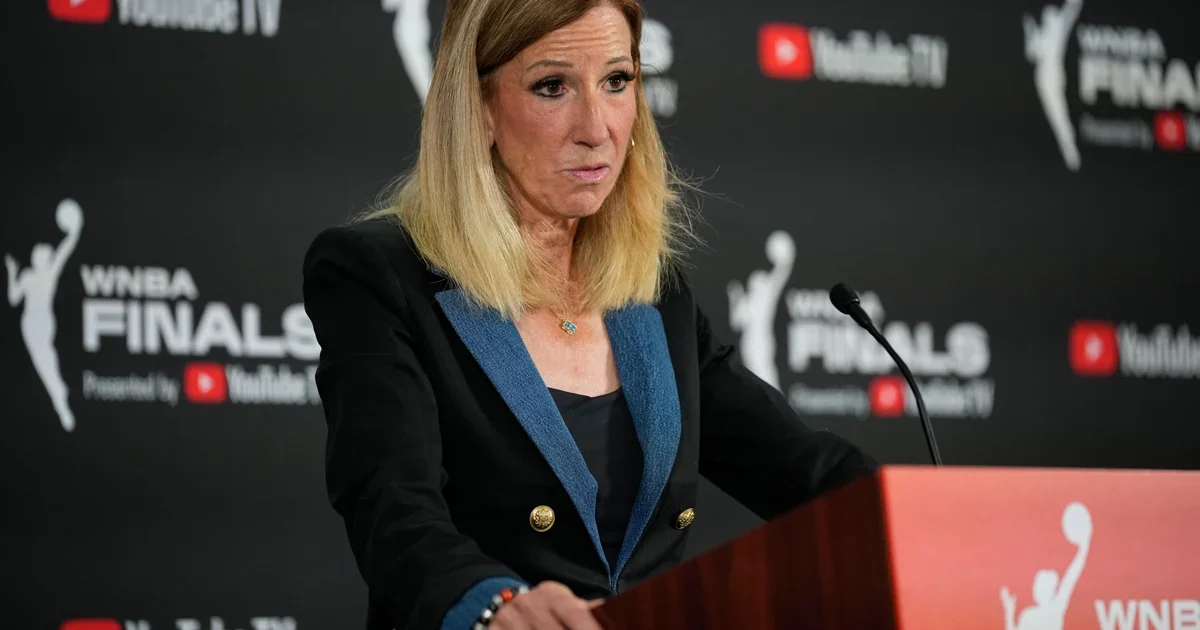
The WNBA and its players union signed a term sheet for a seven-year CBA running through 2032, with ratification by players and approval by the league’s Board of Governors likely after lawyers finalize the agreement. The deal envisions a 2026 salary cap of $7 million (avg salaries around $585k; top players over $1 million; supermax about $1.4 million), potentially up to $11 million cap by 2032 (max salary near $2.4 million), and gradual annual cap changes. Minimum salaries rise toward $380k by 2032; rookie pay and deals are adjusted; bonuses and expanded benefits (life insurance >$700k, 401(k) contributions, $100k one-time veteran payout) are boosted. Rosters stay at 12 players plus two development players, with protections around pregnancy and trades. The league plans 50-game seasons in coming years (52 by 2029–2032) and expansion to 18 teams by 2030 (Cleveland, Detroit, Philadelphia).
The WNBA and its players’ union say they have reached an agreement in principle on a transformational new collective bargaining agreement, signaling a major overhaul of league terms and labor relations, with details to follow.
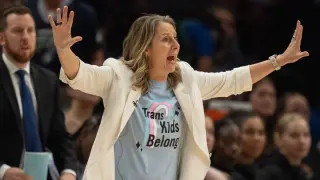
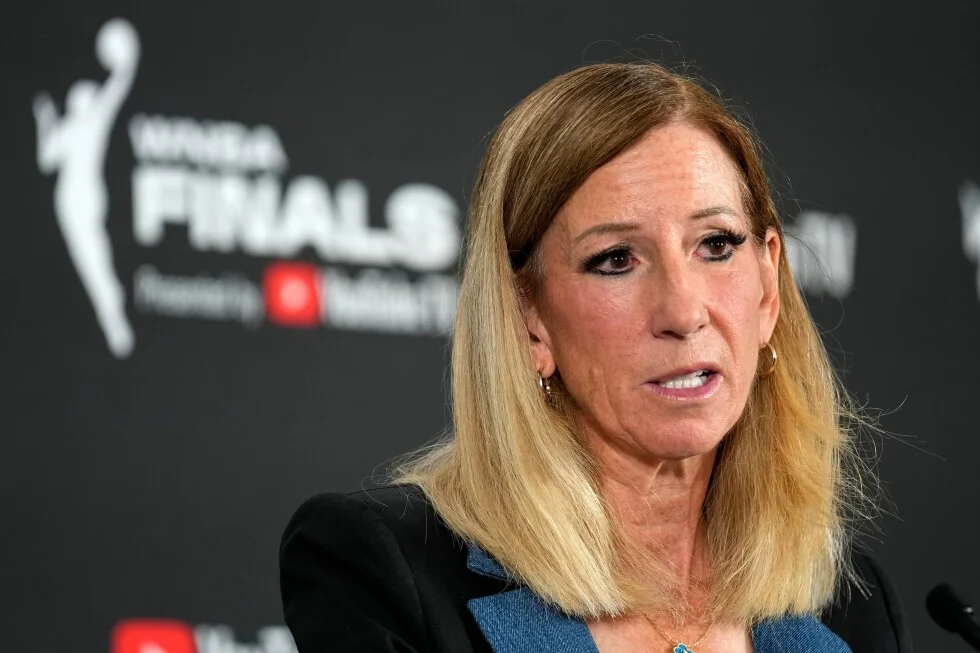
The WNBA and its players’ union reached an agreement in principle on a new CBA that would dramatically raise salaries: average yearly pay around $600,000, minimum salaries of about $300,000, a starting supermax of $1.4 million, and team salary caps at $7 million, potentially pushing some players over $1 million annually. A formal term sheet is to be finalized soon, followed by ratification by players and approval by the league’s Board. The deal, the product of eight days of intense talks and more than 100 hours, signals a transformative step for the league as it grows ahead of its 30th season, with expansion considerations for Toronto and Portland, and training camps set for April 19 ahead of opening day May 8.
The WNBA and its players’ union have reached an in-principle agreement on a transformational new collective bargaining agreement, with a formal term sheet to be finalized soon and votes by players and the Board of Governors pending. The deal would dramatically raise pay—salaries fourfold, average compensation over $500,000, and a path to seven-figure salaries for some players—by tying salaries to league revenue. Key outstanding issues include revenue sharing, housing, and franchise-tag rules. Training camps begin April 19, with opening day May 8, and an expansion draft for Toronto and Portland on the horizon.
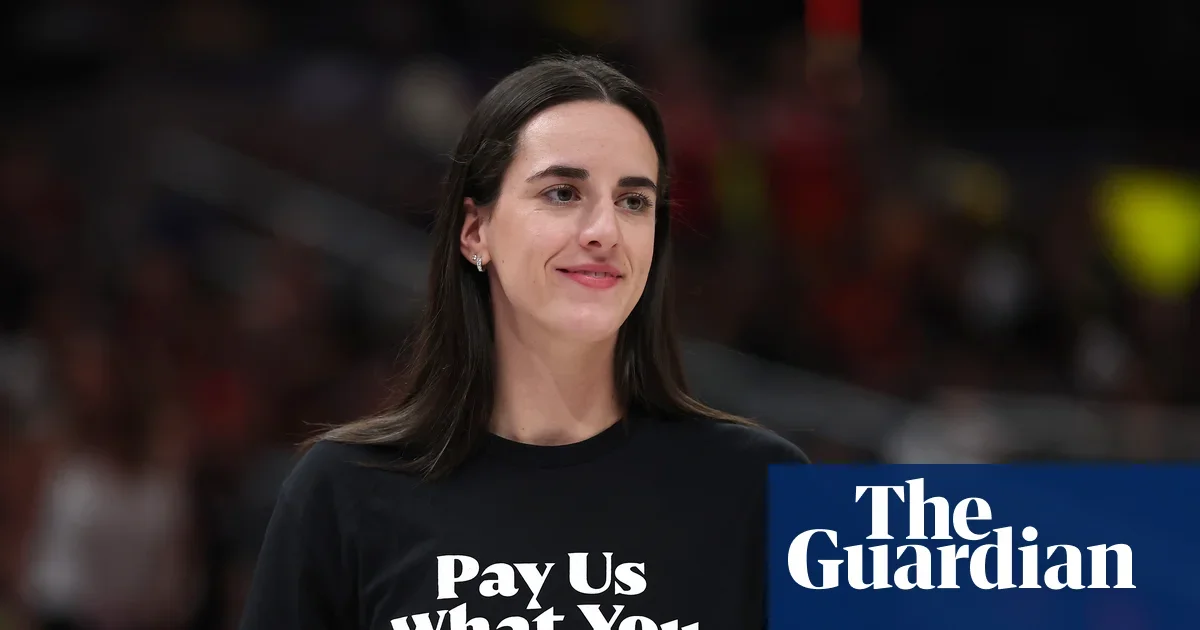
The WNBPA delivered a counterproposal to the WNBA demanding 25% of league revenue (about 27.5% over the life of the deal) and team-provided housing for players in the early years, while reducing the proposed salary cap to near $9.5 million. The league countered that the proposal is unrealistic, could cost hundreds of millions, and may delay the season, noting its own offer would share under 15% of revenue in year one with a $5.65M cap that would rise over time. With the season about 80 days away, talks continue alongside expansion drafts and free agency; players had previously authorized a near-unanimous strike.
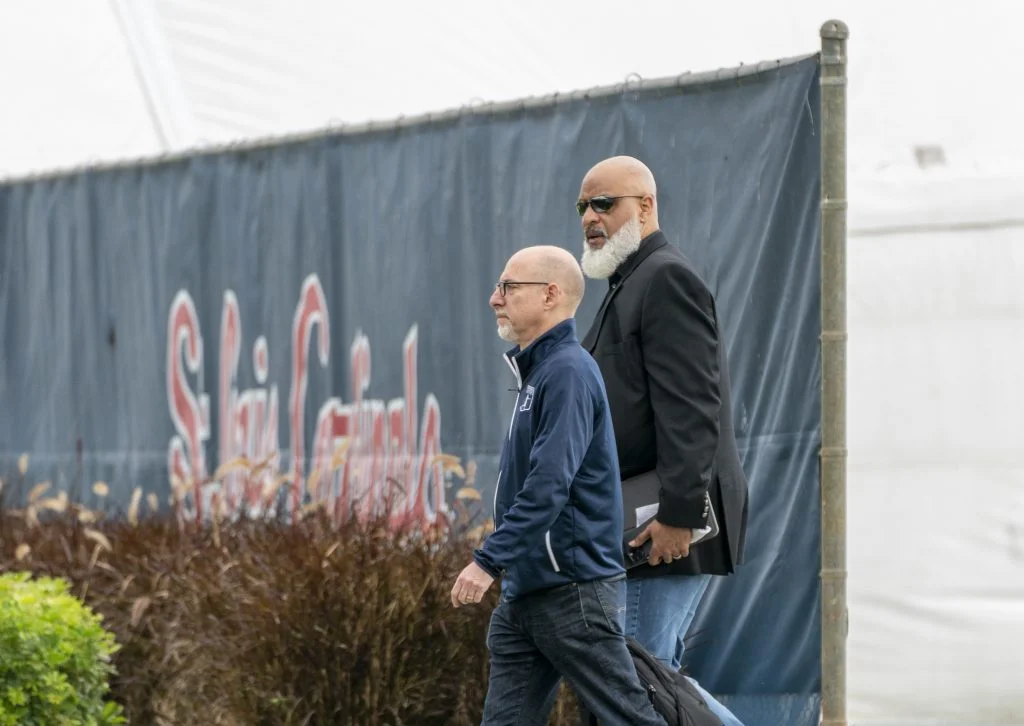
Bruce Meyer was unanimously elected interim MLBPA executive director to replace Tony Clark, who resigned amid reports of an inappropriate relationship with his sister-in-law. Meyer, a longtime negotiator with the union, will lead labor talks on the next CBA as the current agreement nears expiration, with Matt Nussbaum named interim deputy director to maintain stability during a potentially contentious bargaining period.
The ECHL and the PHPA have reached a tentative agreement on a new Collective Bargaining Agreement, pending ratification by players and approval by the league's Board of Governors, allowing players to return to their teams and prepare for the season.
Major League Baseball and the MLB Players Association have held preliminary talks about the sport's economic structure, signaling the start of discussions that could lead to a lockout if a new collective bargaining agreement isn't reached before the current one expires in December 2026. The talks are mostly symbolic at this stage, with substantive negotiations expected to begin next spring, amid ongoing disagreements over issues like salary caps.
WNBA players are preparing for a potential work stoppage as negotiations with the league over a new collective bargaining agreement have stalled, with a crucial meeting scheduled to try to resolve the issues before the October 31 deadline.
Paul Skenes winning the NL Rookie of the Year has sparked mixed reactions among Pittsburgh Pirates fans, as it accelerates his path to free agency by a year due to new MLB collective bargaining rules. These rules aim to reduce service-time manipulation by granting a full year of service time to top rookie performers, but they also highlight the challenges small-market teams face in retaining star players. The Pirates missed out on a compensatory draft pick due to Skenes' delayed debut, raising questions about managing young pitchers' workloads and service time.
NBA Commissioner Adam Silver defended the new collective bargaining agreement and the controversial second apron rule, which has forced high-spending teams to make significant roster changes. Despite fan dissatisfaction and concerns about reduced offseason drama, Silver believes the new rules will enhance competitiveness across all 30 teams. The long-term impact of these changes remains uncertain as teams adapt to the new financial landscape.
NBA Commissioner Adam Silver defended the new tax apron rules in the 2023 collective bargaining agreement, which aim to level the playing field by imposing team-building restrictions on high-spending franchises. Despite some teams losing key players due to these constraints, Silver believes the changes will enhance overall league competitiveness. He also discussed the potential sale of the Boston Celtics, ongoing media rights negotiations, and the possibility of league expansion.