President Donald Trump told US negotiators not to rush into a deal with Iran, saying both sides must take time to get it right as talks reportedly move toward a framework that could include a 60-day ceasefire extension, reopening the Strait of Hormuz, and further negotiations on Iran's nuclear programme; Iran signals progress but key issues remain, while the US maintains sanctions pressure and a blockade on Iranian ports to push for an accord.
Iran has agreed in principle to dispose of its stockpiled highly enriched uranium in talks with the United States, though a final deal is unlikely this weekend. A senior official says the supreme leader appears to have approved a deal template, but details on how disposal would work are still being negotiated, and a broader package could include lifting the blockade on Iranian ships and Gulf security coordination.
Trump says the Iran war deal is near as talks with allies—including India—make progress; Rubio reports significant but not final advancement in negotiations, signaling momentum toward a potential agreement.
Trump said a deal to end the conflict with Iran would be announced soon as negotiators push a one‑page framework and begin 30–60 days of detailed talks, with mediation led by Pakistan and support from regional leaders to gradually reopen the Strait of Hormuz and address Iran's nuclear program; skeptics remain among Netanyahu and some hawkish Republicans.
President Trump told CBS News that the United States is getting closer to finalizing a deal with Iran on nuclear restrictions and sanctions relief, with reports that the latest proposal includes reopening the Strait of Hormuz, unfreezing some Iranian assets, and ongoing negotiations. He said the final agreement would prevent Iran from obtaining a nuclear weapon and would only be signed if it meets U.S. goals, while he consults with advisers and Gulf leaders; a regional call with Gulf leaders is planned as negotiations continue.
ESPN's Josh Weinfuss reports the Arizona Cardinals are significantly apart in negotiations with Jacoby Brissett over a reworked 2026 contract. Brissett is in the second year of a two-year deal (4.88M in 2026 with only 1.5M guaranteed), trailing Gardner Minshew's 5.14M guaranteed. Brissett has skipped voluntary offseason programs ahead of a June minicamp, which would cost him nearly $108k if missed. Last season he started 12 games for the 1-11 Cardinals, throwing for 3,366 yards with 23 TDs and 8 INTs, as the team begins under a new head coach and offense, leaving his starting status unclear.
US Secretary of State Marco Rubio says there is slight progress in talks with Iran, while Pakistan renews its mediation efforts to broker a peace deal, signaling cautious momentum toward de-escalation in the region.
An Arab News op-ed argues the US should rely on Gulf partners—Qatar, Saudi Arabia, and the UAE—to shape a negotiated Iran endgame rather than pursuing another broader war. Gulf states share Washington’s aim to contain Tehran while avoiding a regional or global crisis, with Saudi Arabia resisting war, backing Pakistan-led talks, and calling for the Strait of Hormuz to reopen. Despite Iran’s attacks, Gulf leaders question the proportionality of further strikes and favor diplomacy and new regional security architectures that could yield a deal to end the conflict without further bloodshed.
Kenya suspended its nationwide transport strike after government talks on rising fuel costs; a diesel price cut of 10 shillings was announced (petrol unchanged at 214 shillings), but protesters demanded larger cuts. The strike is paused for seven days to allow further negotiations, with a risk of resuming if progress stalls.
President Trump says he paused a planned attack on Iran at the request of Gulf Arab leaders to give diplomacy another chance after Iran's latest peace proposal, while signaling the option to strike remains if negotiations fail; regional leaders warned against retaliation that could threaten oil facilities.
Donald Trump announced he is postponing a planned attack on Iran after requests from Qatar, Saudi Arabia and the UAE to hold off while negotiations proceed, claiming a deal without nuclear weapons for Iran may be possible and that military leaders should be ready to act if talks fail.
ISW/CTP flag a widening gap between the US and Iran over a nuclear deal, with U.S. conditions reportedly demanding uranium transfers, a capped number of facilities, asset releases, and sanctions relief tied to talks; Iran’s counterproposal emphasizes lifting sanctions and compensation, signaling persistent negotiation deadlock. Separately, drones believed to be Iranian or Iranian-backed targeted the Barakah Nuclear Power Plant in Abu Dhabi; two were intercepted and one damaged a generator, but radiation levels remained normal and there were no casualties. Emirati officials and IAEA observations frame the incident as a test of air defences and regional narratives, with Iran-aligned media trying to blame Saudi Arabia and widen Gulf rifts. The update also notes maritime disruption from a port blockade, a newly described Iranian PRC envoy role for Ghalibaf, and reports of Israeli outposts in Iraq—reflecting a broader pattern of escalation and strategic posturing across the region.
President Trump warned Iran that the 'clock is ticking' as talks to end the war stall, signaling a potential impasse as Tehran's counter-offers clash with Washington's concessions during a fragile ceasefire and ongoing regional tensions.
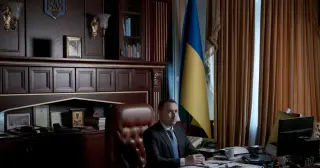
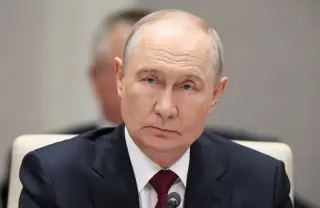
Zelensky said Putin signaled readiness for real negotiations as Ukraine pushes for a concrete talks format and prepares a 1,000-for-1,000 prisoner exchange with US mediation. He warned that Ukraine will respond immediately if Russia resumes large-scale strikes and stressed that any deal must include lasting security guarantees. Moscow signaled willingness to host a meeting but Kyiv rejected a venue in Russia; Zelensky remains open to meeting Putin in a neutral location, with talks contingent on guarantees and tangible security outcomes.
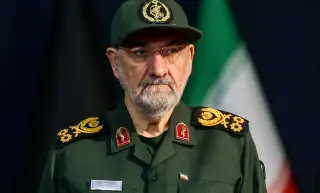
Iranian leaders, including IRGC officials, are pushing end-of-war terms that would require the United States to lift sanctions, release frozen assets, compensate damages, and recognize Iran’s sovereignty over the Strait of Hormuz before any negotiations, signaling they believe they hold leverage. The update notes about 10,000 FPV drones in use and potential supply to Hezbollah and Iraqi militias, while commercial data shows some ships complying with Iran’s Hormuz transit rules—hinting at a shift in regional maritime norms. The U.S. considers measures like Project Freedom; the UAE adjusts shipping routes; Israel plans broader action against Hezbollah drone networks as ceasefire talks with Lebanon progress. Domestically, Iran is trying to rebuild its security apparatus amid economic strain and seeks sanctions relief to cover war losses.