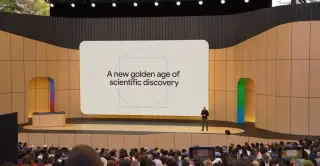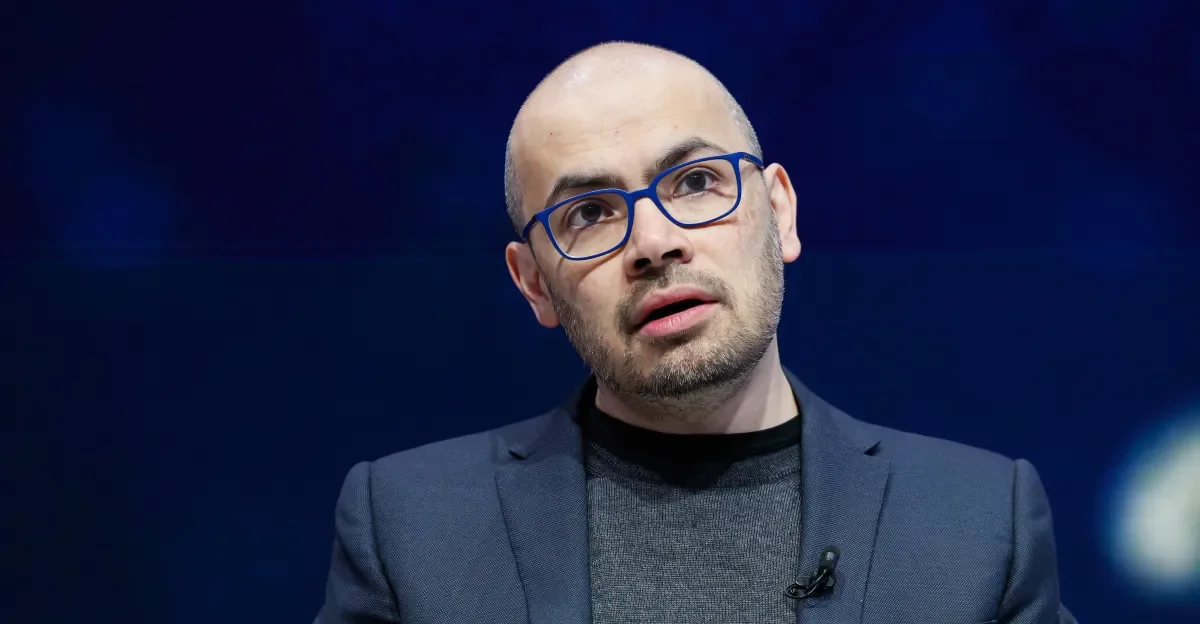
A Verge columnist argues that Demis Hassabis’ claim to 'solve all diseases' at Google I/O needs context: AI like Gemini for Science and AlphaFold can speed research, but real breakthroughs require long timelines, robust validation, and careful communication to avoid hype and misinformation.
Victoria Song argues that renaming PCOS to PMOS reflects a broader hormonal and metabolic condition, and that personalized health tech is not yet capable of reliably addressing chronic illnesses. While wearables and AI promise tailored guidance, PMOS manifests differently across individuals, interacts with insulin resistance and medications, and is influenced by factors like hormonal contraception, making universal personalization elusive. Despite industry optimism, real-world personalization still requires significant self-tracking, medical input, and trial-and-error, highlighting a gap between hype and what current science and healthcare systems can safely deliver.
The Verge reports that the Trump White House reversed course on AI oversight—moving toward federal review of pre‑market AI models—after Anthropic’s Mythos raised national-security alarms, while David Sacks’s influence as AI/crypto czar waned and more agencies gained authority (CAISI/NIST) to test frontier AI; international regulatory pressure and geopolitical events underscore the shift toward tighter tech rules.
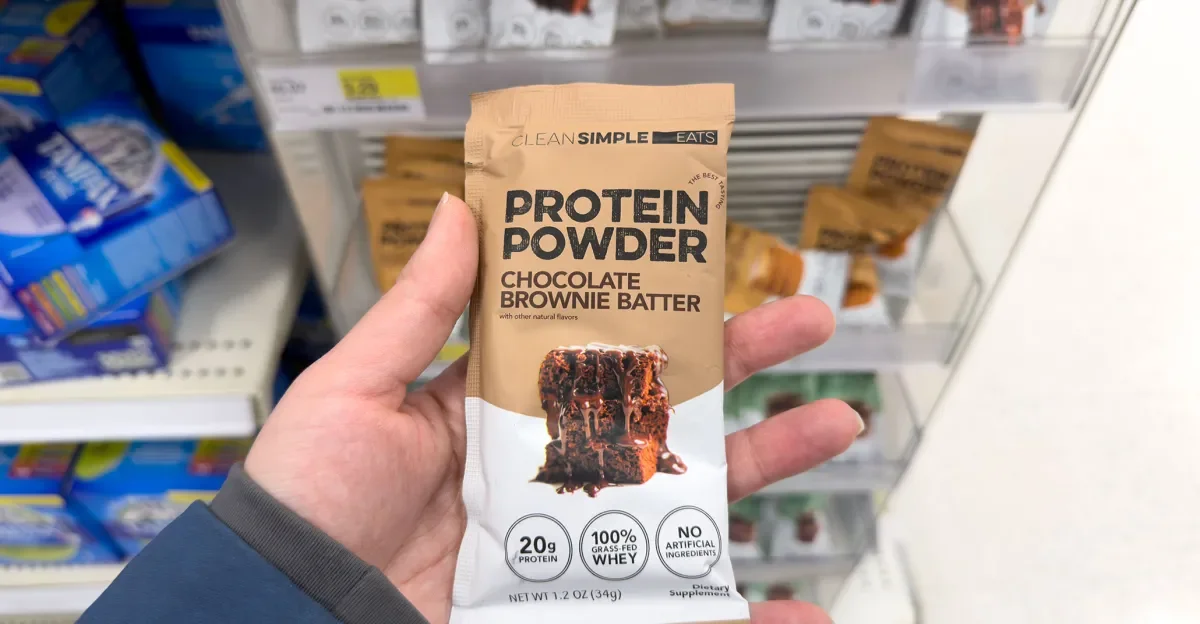
Victoria Song’s Optimizer column critiques the wellness world’s obsession with protein, detailing trends like boy kibble, proteinmaxxing, and protein washing. While protein has real benefits for satiety and muscle health, influencers push extreme intake and “healthy” protein products, often with little nuance about total diet. The piece traces examples from Target aisles to protein bars and Pop-Tarts, discusses regulatory questions around labeling and safety, and concludes that a balanced diet with vegetables—not blanket high-protein obsession—is the smarter path.
The Verge argues that live-service games, while highly lucrative, are a volatile and costly model prone to rapid cancellations, layoffs, and publisher pullbacks; Fortnite remains the standout success, while others struggle to gain lasting momentum as publishers rethink the approach.
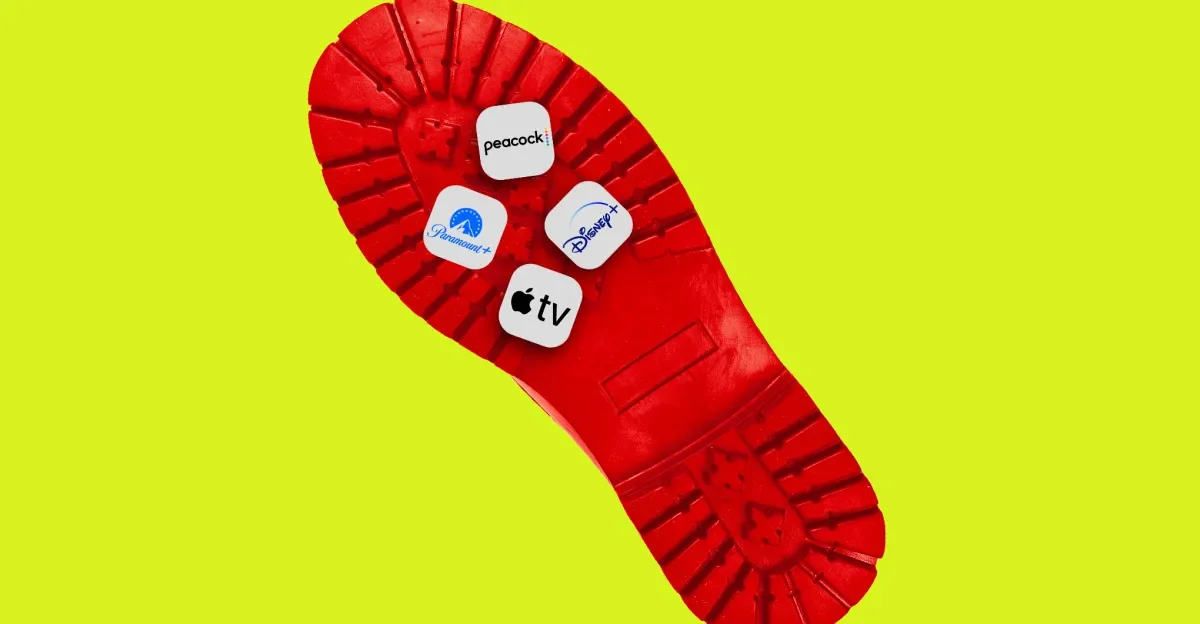
Netflix’s $82.7 billion acquisition of Warner Bros. Discovery is poised to reshape the streaming landscape, pressuring rivals like Paramount+, Disney+, Peacock, and Apple TV+ to respond with bundles, exclusive content, or consolidation, while regulators weigh antitrust concerns and potential price impacts; the move could tilt the balance in Netflix’s favor even as competition, ads, and sports rights continue to redefine the market.
At Davos, the leaders of OpenAI, Anthropic and Google DeepMind trade sharp barbs over monetization, capacity, and governance as the AI race heats up, with OpenAI’s policy chief pushing back; the exchange signals a broader, more nuanced battle for influence and revenue in the race to AGI.