Lilly has granted compassionate-use access to its obesity drug candidate retatrutide for a single patient, according to STAT’s exclusive reporting; The Readout also covers Pfizer’s lung-cancer trial results and other biotech news.
STAT reports that Eli Lilly and the FDA approved compassionate-use access for retatrutide, an experimental obesity drug, to a 79-year-old man—a move that drew attention from top health officials and highlighted concerns about access to promising therapies before FDA approval.
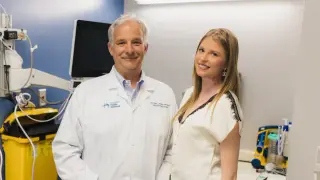
Hamilton Health Sciences treated an 18-year-old Western University student with the world’s first exosome therapy for burns, sparing her from facial grafts after a London fraternity house fire. The therapy, given on compassionate grounds in two doses, produced remarkable healing and could reshape burn care with further trials and wider use in the future.
Hamilton Health Sciences in Ontario conducted the world’s first burn treatment using exosomes to speed healing in an 18-year-old fire victim. The patient received two exosome injections, sourced from the United States, to accelerate recovery and reduce the need for skin grafts. Led by Dr. Marc Jeschke with Health Canada’s compassionate-use approval, the patient healed faster with improved facial outcomes and described the result as a miracle, though researchers say more study is needed before exosome therapy becomes a Canada-wide standard of care.
The FDA has approved an expanded-access protocol for the investigational pancreatic cancer drug daraxonrasib, allowing eligible patients with metastatic pancreatic ductal adenocarcinoma to access it before full approval. In clinical data, patients taking daraxonrasib showed a median survival of about 13 months versus six months with chemotherapy, and supporters like former Sen. Ben Sasse have reported improved pain and tumor shrinkage. The 300 mg daily pill works by blocking a signal that drives cancer growth, and the FDA’s April 30 protocol approval aims to give seriously ill patients earlier access while trials continue.
A small biotech company may abandon its development of an experimental medicine for Barth syndrome, an ultra-rare disease, due to frustration with the FDA's approval process. If the drug fails to gain market approval, patients like Declan, a toddler who has benefited from the medicine, would lose access to it through a special access program called compassionate use.