Feathers in dinosaur poop unlock why birds survived the mass extinction
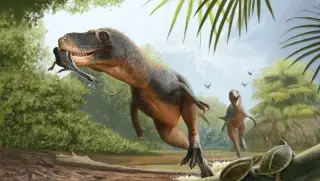
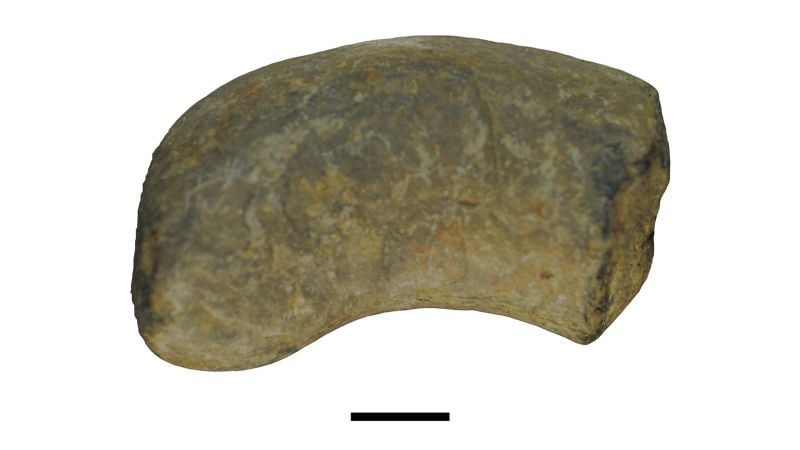
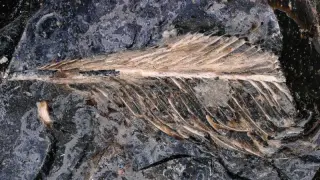
Researchers analyzing a coprolite (fossilized dinosaur dung) from Montana’s Hell Creek Formation found a tiny feather and other remains that suggest a small diving bird related to hesperornithiforms may have struggled to survive the asteroid-driven “impact winter.” The study proposes that modern birds (Neornithes) persisted because their feather traits differed enough to withstand the post‑impact cooling, while the primitive feather types did not insulate as well. Scientists say confirming this would require a pre‑asteroid Neornithes fossil preserved with enough detail, but the coprolite work shows how such fossils can illuminate why some lineages survived mass extinctions.