Reports that Sebastian Stan confirmed he would play Harvey Dent in The Batman Part II were greatly exaggerated; a Le Journal du Dimanche quote was later corrected to drop the Dent claim, leaving Stan’s involvement unconfirmed and the sequel’s cast details still under wraps.
A USA Today report claiming Caitlin Clark skipped the WNBA All-Star events to get her hair done was debunked by a correction noting she attended a Caitlin Clark Foundation charity dinner in Des Moines. OutKick calls for apologies, criticizing the initial coverage and the use of an Emmett Till reference while questioning USA Today’s credibility.
The Philadelphia Semiconductor Index (SOX) is more than 50% above its 200-day moving average and showing extreme overbought signals (RSI above 80, price above the upper Bollinger band), markers that have historically preceded sharp pullbacks. The rally appears driven by gamma squeezes from aggressive call buying (notably in Micron and AMD). While a brief upside is possible, the setup is unstable and suggests a meaningful correction could be on the horizon.
The gold-platinum ratio—a respected market-timing indicator—has fallen since late last year, suggesting the stock market may be living on borrowed time and a correction could be overdue, though its near-term predictive value is limited.
The New Orleans Police Department issued a correction about the Krewe of Thoth incident, clarifying that riders on Float 32 were throwing items aggressively at a civilian paradegoer holding an anti-ICE sign, not at federal agents. The investigation is ongoing, no arrests have been made, and the NOPD is coordinating with the Krewe of Thoth. City leaders reiterate that aggressive behavior at parades will not be tolerated.
A leading market strategist warns that major indices are very close to a significant correction in the coming weeks, citing exhausted rallies, fading leadership among large-cap tech (the Magnificent 7), and a rotation away from growth into metals and other trends, while longer-term trends remain bullish but vulnerable to a sharp sell-off.
Wall Street CEOs warn of a potential 10%+ market correction within the next 12-24 months, citing high valuations and geopolitical risks, but see such pullbacks as healthy for market cycles, with strong earnings and active global markets supporting investor risk appetite.
A 2018 study claiming evidence of Majorana quasiparticles has been extensively corrected after scrutiny, but critics argue the data remains insufficient, fueling ongoing debate in the quantum physics community.
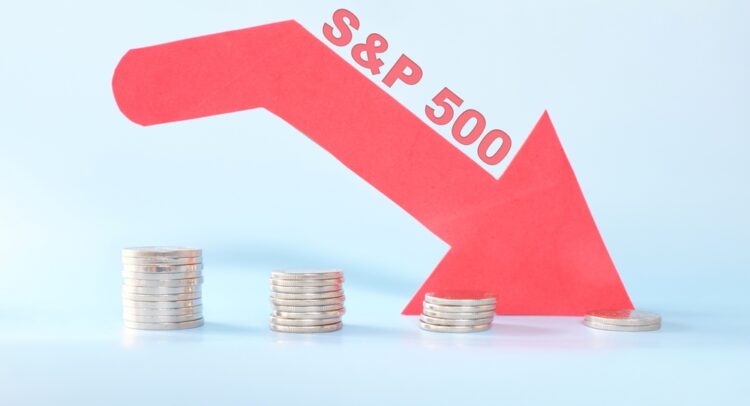
Several Wall Street firms, including Morgan Stanley, warn that the S&P 500 could decline by up to 10-15% due to factors like tariffs and seasonal trends, following a significant rally since April.
Bitcoin's recent surge to near $100,000 has raised concerns about potential overheating, with key indicators suggesting caution. The Relative Strength Index (RSI) indicates overbought conditions, while the Spent Output Profit Ratio (SOPR) shows increased profit-taking. Additionally, rising Funding Rates suggest an overleveraged market, reminiscent of past peaks. These factors point to a possible market correction, which could stabilize Bitcoin's growth trajectory.
The author presents a neutral outlook on the SPDR® S&P 500 ETF Trust (SPY), expressing concerns about the growing discrepancy between real interest rates and the upward trend of the SPY. They suggest that a correction in the market may be imminent, possibly reaching 10-20%, due to the overheated and overbought status. The author emphasizes that this is not an attempt to time the market and does not encourage shorting the SPY, but rather provides food for thought. They also discuss the impact of 10-year treasuries on the stock market and the potential scenarios that could unfold in relation to real interest rates.
Lyft's shares surged by as much as 67% after the company mistakenly projected a 500 basis point expansion in its margins, only to later correct the estimate to 50 basis points, attributing the error to a "clerical error." The correction led to a significant reversal in share price, with analysts describing the incident as a "debacle mistake" and a "black eye moment" for the company. CEO David Risher took responsibility for the error, acknowledging it as a "bad error," while also expressing relief that the mistake was caught quickly. Despite the correction, Lyft's earnings report still exceeded expectations, leading to a 30% increase in share price.
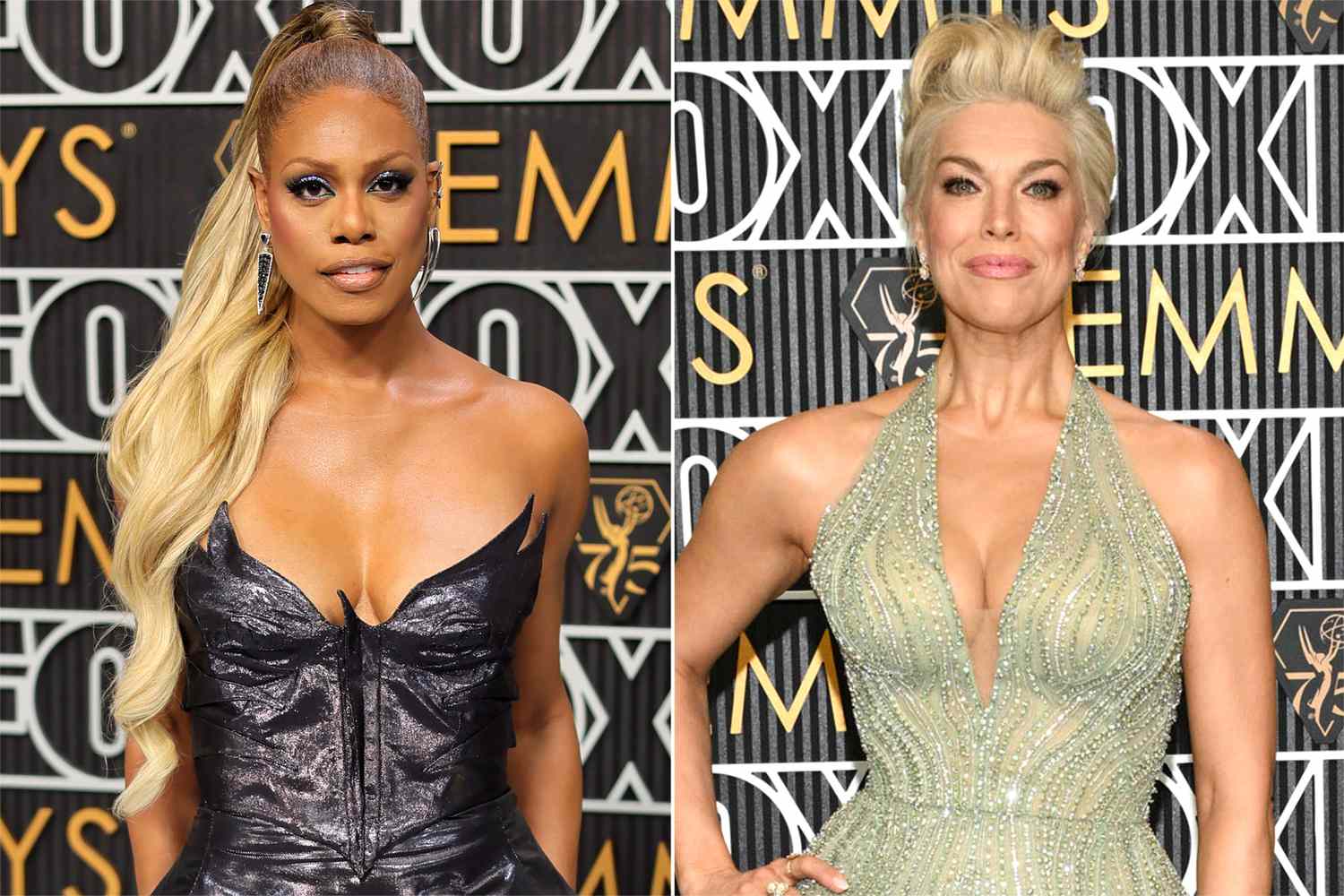
"Ted Lasso" star Hannah Waddingham corrected Laverne Cox for mispronouncing her name during the "Live From E! Countdown to the Emmys" show, emphasizing the correct pronunciation before continuing with the interview. Waddingham, nominated for Outstanding Supporting Actress in a Comedy Series, previously won in the same category for the show's first season. "Ted Lasso" received a total of 17 Emmy nominations this year and has already won in two categories at the Creative Arts Emmys.
The New York Times issued a correction after misquoting Hunter Biden's comments about his father's financial involvement in his business dealings. Hunter clarified during a press conference that his father was not financially involved, but the Times initially misquoted him. The misquotation is significant given the scrutiny surrounding Hunter's language. The White House and Joe Biden have consistently denied any financial involvement or discussions about business dealings, despite evidence presented by House Republicans. Former Times opinion editor James Bennet recently criticized the newspaper, claiming it has shifted from liberal bias to illiberal bias and has lost its way.