COSMIC Debuts Rust-Based System Monitor for Pop!_OS
COSMIC Epoch 1.1 adds the COSMIC-Monitor, a Rust-based system monitor for COSMIC and Pop!_OS that replaces GNOME System Monitor and tracks CPU, processes, memory, GPU, disk, and network usage.

All articles tagged with #cosmic
COSMIC Epoch 1.1 adds the COSMIC-Monitor, a Rust-based system monitor for COSMIC and Pop!_OS that replaces GNOME System Monitor and tracks CPU, processes, memory, GPU, disk, and network usage.
System76 outlines COSMIC Epoch 2 and Epoch 3 features for its Rust-based desktop, including a Vulkan renderer for the COSMIC Wayland compositor to enable HDR/night light, performance optimizations, window effects, and gaming improvements in Epoch 2, followed by Epoch 3 additions like session restoration, per-app volume controls, SVG cursors, LSP-powered COSMIC Edit, and more—timelines for release are not provided.
System76 continues refining its Rust-based COSMIC desktop with Epoch 1 updates for Pop!_OS 24.04 LTS, adding features like rounded window corners for all windows, improved multi-monitor handling, default tab-to-click, audio auto-routing fixes, better icon handling in the Application Library, X11 window activation in the compositor, crash fixes, new Files settings including network path entry in the breadcrumb bar, and 2FA VPN support across COSMIC Settings.
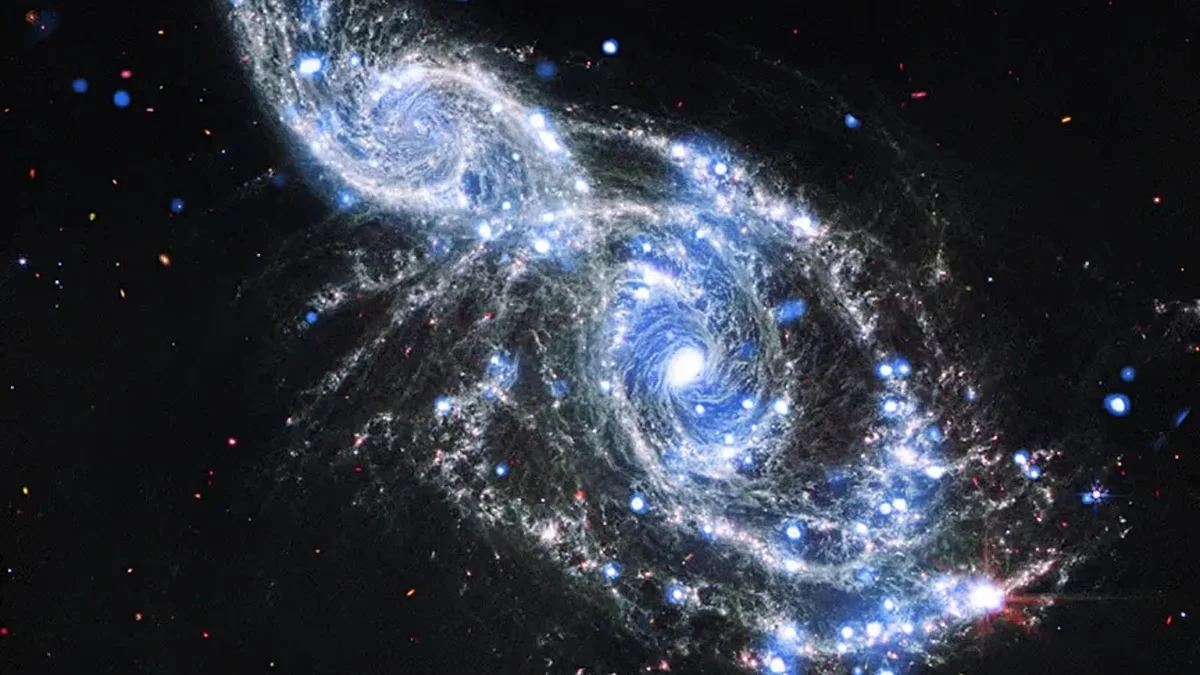
A stunning image captured by the James Webb Space Telescope shows two spiral galaxies, NGC 2207 and IC 2163, in the midst of a slow-motion collision, revealing details of star formation and cosmic interactions through infrared and X-ray observations.

Today's horoscope for Aries encourages embracing a positive outlook and adapting to current circumstances to achieve long-term goals. It suggests reducing budgets, recalibrating needs, and reorganizing life to manage existing burdens. The cosmic tip advises moving from meekness to bravery.
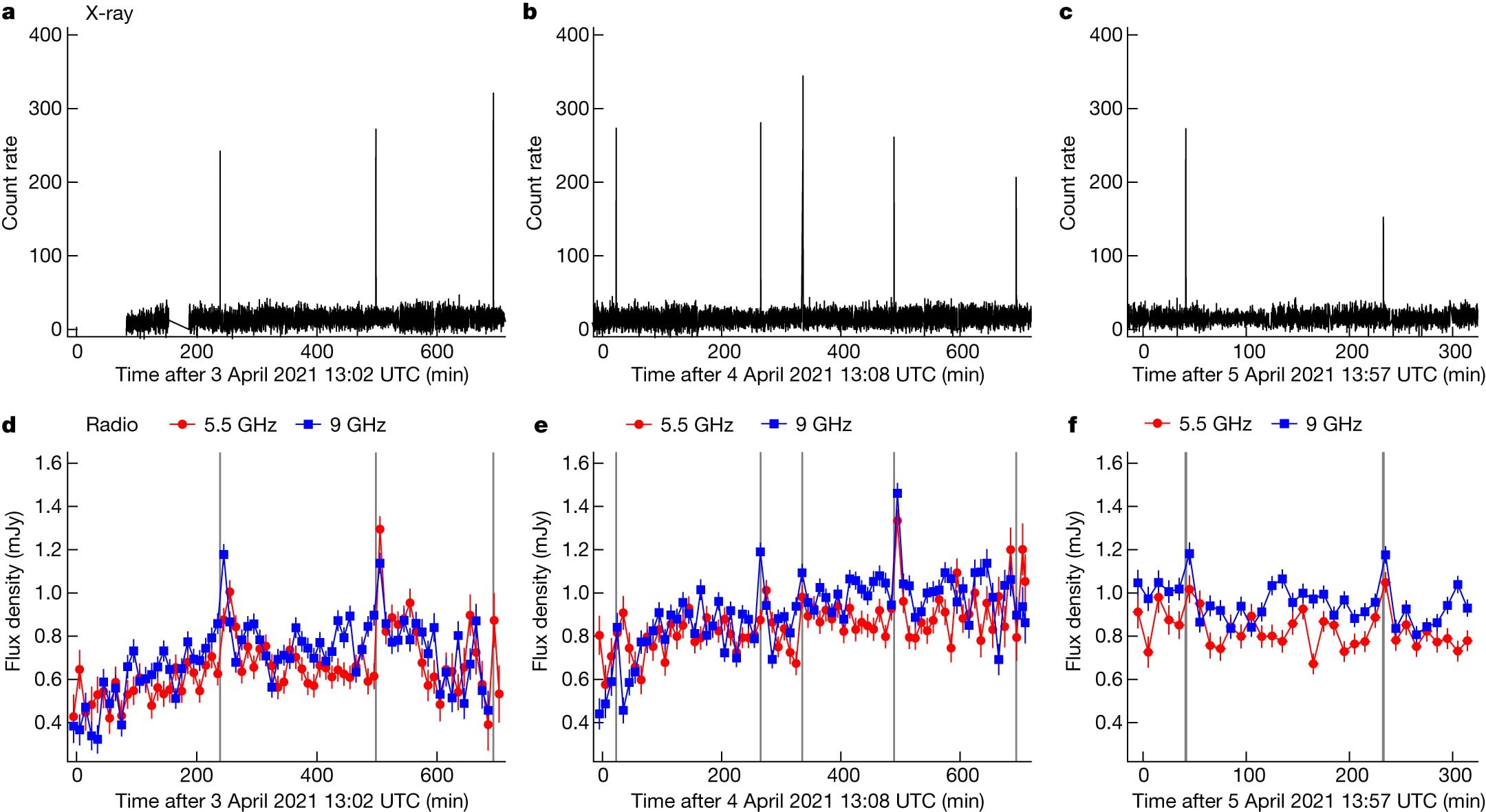
A new study published in Nature has revealed that neutron star jets can travel at about one-third the speed of light, using a "cosmic speed camera" to measure their speed. The study found that X-ray bursts from thermonuclear explosions on neutron stars actually power up their jets, providing valuable information about how these powerful cosmic jets are launched. This discovery introduces a new technique for measuring neutron star jet speeds and paves the way for further research to understand how jet speed varies with different neutron star properties.
The SETI Institute, the National Radio Astronomy Observatory, and the Breakthrough Listen Initiative have teamed up for a new project called COSMIC, which uses the National Science Foundation’s Karl G. Jansky Very Large Array (VLA) to search for signals from other galactic civilizations. The VLA is collecting data that scientists will analyze for the type of emissions that only artificial transmitters make, signals that would betray the existence of a technically accomplished society. The new processing system for SETI is dubbed “COSMIC” – the Commensal Open-Source Multimode Interferometer Cluster – and is spearheaded by the SETI Institute, in collaboration with the National Radio Astronomy Observatory and the Breakthrough Listen Initiative.