Tag

Cpap

All articles tagged with #cpap

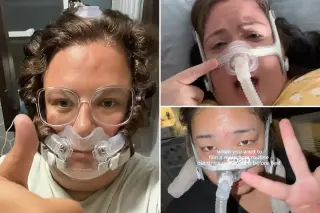
CPAP Baddies Make Sleep Masks Trendy to Fight Stigma
health5 days ago

CPAP Baddies Make Sleep Masks Trendy to Fight Stigma

The New York Post highlights the ‘CPAP baddies’ movement, where young people use TikTok to glamorize CPAP masks and push back against the stigma around sleep apnea therapy. Supported by ResMed, the trend aims to normalize CPAP use, raise awareness of obstructive sleep apnea, and encourage treatment—often turning a medical device into a source of pride, with online virality and in-person events helping reduce barriers to adherence.

Rapid weight gain unmasks sleep apnea, altering a fitness story
health22 days ago

Rapid weight gain unmasks sleep apnea, altering a fitness story

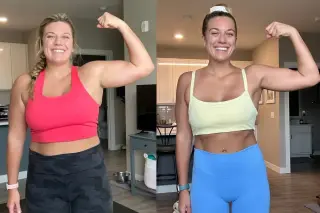
A Milwaukee content creator rapidly gained 40 pounds in six months despite maintaining the same diet and workouts, then learned she had mild sleep apnea after a sleep study showed she woke 68 times a night and stopped breathing every eight minutes. Starting CPAP helped her lose 60 pounds in a year and doctors said the apnea had reversed by 2024, but after losing insurance she stopped treatment and symptoms returned, with a further 20-pound gain; she now manages via meditation and yoga while seeking care.

Midlife Exhaustion Finally Explained: Sleep Apnea, Not Perimenopause
health1 month ago

Midlife Exhaustion Finally Explained: Sleep Apnea, Not Perimenopause

A 48-year-old mom with years of unexplained exhaustion believes it’s due to perimenopause, but a sleep study reveals severe sleep apnea. After trying hormones and caffeine with little relief, she starts nocturnal CPAP therapy; while adjustment is ongoing, the diagnosis provides a data-backed path forward and highlights the long‑term cardiovascular risks of untreated sleep apnea.

Nightly Quest for Sleep: From CPAP Struggles to New Avenues in Sleep Apnea Care
health1 month ago

Nightly Quest for Sleep: From CPAP Struggles to New Avenues in Sleep Apnea Care

Sleep apnea affects millions and often goes undiagnosed; while CPAP remains the standard treatment, many patients struggle with comfort and adherence, and a high-profile recall underscored its flaws. As researchers push for better compliance and new options, alternatives like the Inspire implant, custom mandibular advancement devices, and emerging drugs (such as Zepbound) or future pills offer hope for easier, effective relief, though accessibility and suitability vary. Experts stress that treating sleep apnea—through CPAP or alternatives—can dramatically reduce long-term health risks, but success requires patient perseverance and personalized care.

Nightly Pill Could Redefine Sleep Apnea Treatment
health2 months ago

Nightly Pill Could Redefine Sleep Apnea Treatment

A six-month phase 3 study of AD109 (an oral combo of aroxybutynin and atomoxetine) in 646 adults with mild–severe obstructive sleep apnea showed a ~44% drop in the apnea-hypopnea index versus an 18% reduction with placebo, with improved oxygen metrics and about 40% moving to a lower OSA severity category and 18% achieving complete control; AD109 targets neuromuscular pathways to keep throat muscles active, offering an alternative for CPAP-intolerant patients. Safety was mostly mild; 21% discontinued due to side effects. The drug has FDA Fast Track status and an NDA is with the FDA, with potential action in early 2027.

Left-Side Sleep Myth Debunked: Heart Health Depends on Sleep Quality, Not Position
health4 months ago

Left-Side Sleep Myth Debunked: Heart Health Depends on Sleep Quality, Not Position

A cardiologist says there’s no solid evidence that sleeping on the left side is universally better or worse for the heart; the bigger concern is sleep quality and undiagnosed sleep apnea, which can raise blood pressure and trigger atrial fibrillation. The key to heart health is getting seven to nine hours of good sleep and seeking diagnosis and treatment (like CPAP) if sleep apnea is suspected. Choose the most comfortable sleep position, monitor for apnea symptoms (daytime fatigue, snoring, morning headaches), and focus on overall sleep health rather than any single sleeping posture.

Left-Side Sleep Isn’t a Heart Hazard, Doctor Explains
health4 months ago

Left-Side Sleep Isn’t a Heart Hazard, Doctor Explains

A cardiologist says there’s no solid evidence that sleeping on the left side harms the heart; the bigger heart-health factor is sleep quality and undiagnosed sleep apnea, which can raise blood pressure and atrial fibrillation risk. If sleep apnea is suspected, get diagnosed and treated (often with CPAP). Prioritize seven to nine hours of quality sleep and comfort, and watch for symptoms such as daytime fatigue, snoring, morning headaches, or breathing interruptions during sleep.

Sleep-Disordered Breathing in 45+ Adults Linked to Rising Mental Health Risks, Large Study Finds
health4 months ago

Sleep-Disordered Breathing in 45+ Adults Linked to Rising Mental Health Risks, Large Study Finds

In a Canadian study of 30,097 adults aged 45–85, those at high risk of obstructive sleep apnea had about 40% higher odds of an existing mental disorder and ~20% higher risk of a new one over ~3 years; associations held after adjusting for risk factors, with women, lower-income individuals, and those with chronic pain or respiratory problems most affected. Likely mechanism: intermittent hypoxia and sleep fragmentation; CPAP and other treatments can improve sleep and mood when used consistently, underscoring the case for screening in primary care.

CPAP: From Snoring Problem to Sleep Health Game-Changer
health5 months ago

CPAP: From Snoring Problem to Sleep Health Game-Changer

Nick’s journey from snoring as a social nuisance to a diagnosed sleep apnea case shows how CPAP therapy has become a mainstream, life-changing treatment. The piece surveys the evolution of sleep medicine, the broadened use of CPAP for milder cases, risks of improper settings, and alternatives for snoring, highlighting the broader health and relationship benefits of treating sleep-disordered breathing.

Sleepless nights left her eyelids flipping inside out, CPAP fixed them
health6 months ago

Sleepless nights left her eyelids flipping inside out, CPAP fixed them

A 39-year-old Brooklyn woman with six weeks of eye irritation developed floppy eyelids that rolled inside-out, a condition linked to obstructive sleep apnea and obesity. A sleep study showed moderate OSA (27 events per hour). After CPAP treatment, along with eye lubrication/patches and weight loss, her eyelids stopped flipping within two weeks and her sleep improved. The syndrome is often managed non-surgically, though some cases may require surgery.

Understanding Sleep Apnea: Risks, Diagnosis, and Treatment Options
health1 year ago

Understanding Sleep Apnea: Risks, Diagnosis, and Treatment Options

Sleep apnea, a condition affecting nearly a billion people worldwide, often requires the use of CPAP machines, which many find challenging to use. Alternatives and advancements, such as personalized masks, telehealth support, and new medications like tirzepatide, are emerging. Lifestyle changes, including weight loss and sleep hygiene, can also help manage the condition. Surgical options and oral devices offer additional solutions, while ongoing research aims to improve treatment efficacy and expand available options.

"Implantable Device for Sleep Apnea Ideal for Overweight Individuals"
health2 years ago

"Implantable Device for Sleep Apnea Ideal for Overweight Individuals"

A new study found that an implantable hypoglossal nerve stimulator for obstructive sleep apnea works best for people who are overweight but not severely obese, with a BMI of up to 32. The device, which costs between $50,000 and $100,000, is approved for people with a BMI of up to 40, but the study suggests that for those with a BMI over 32, the device might be unsuccessful up to 75% of the time. The implant was also found to be less successful for people who sleep on their backs. The device, which is an alternative to CPAP, has been implanted in 60,000 people worldwide and is activated at night to stimulate the tongue and keep the airway open. The study highlights the importance of selecting the right candidates for this treatment, especially those who have struggled with CPAP.